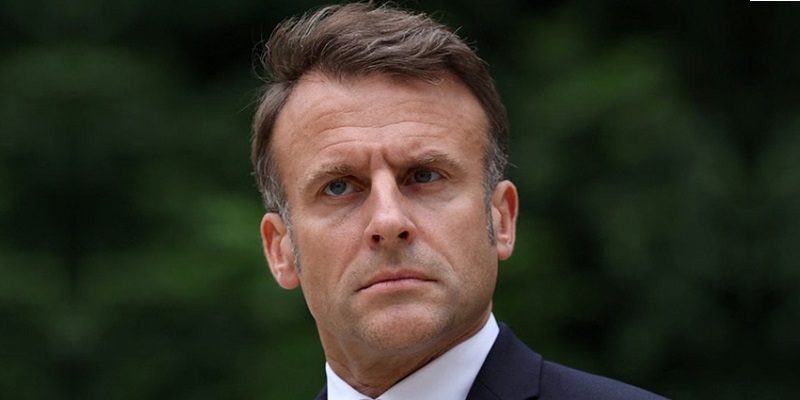
TDIsrael has suspended all defense deals with France, marking a sharp downturn in bilateral relations after Paris blocked U.S. military supply flights through its airspace.

The move underscores growing diplomatic friction between the two countries, with implications for defense cooperation, regional security, and broader European-Israeli ties.
Diplomatic Rift Deepens Between Israel and france
Israel announced the suspension of all defense procurement and contracts with France, citing Paris’s decision to block U.S. military supply flights as the immediate trigger.
The Israeli government framed the move as a matter of national security.
It argued that France’s actions undermined critical supply chains during ongoing regional conflicts.
France, meanwhile, has denied accusations of targeting Israel specifically, insisting that its airspace restrictions were part of broader policy considerations.
Nonetheless, the fallout has been swift, with Jerusalem halting defense-related cooperation and signaling a reassessment of its ties with Paris.
Historical Context
- 1950s–1960s: France was once Israel’s primary weapons supplier, playing a crucial role in the early years of the Israeli military.
- 1967: Relations soured after President Charles de Gaulle imposed an arms embargo ahead of the Six-Day War.
- 1980s: Under François Mitterrand, ties improved, with France becoming the first Western power to send a sitting president to Israel.
- 1990s–2000s: Relations cooled again under Jacques Chirac, who supported Yasser Arafat during the Second Intifada.
- Recent Years: France has been critical of Israeli settlement expansion in the West Bank, joining other European powers in condemning unilateral actions.
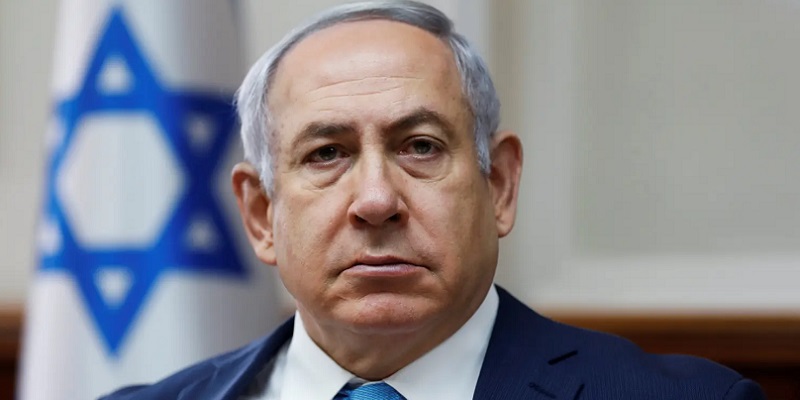
Current Flashpoints
France’s refusal to allow American supply flights through its airspace was seen in Israel as a direct obstruction of its defense logistics.
France has consistently opposed Israeli settlement expansion, calling it illegal under international law.
Under Middle East diplomacy, Paris has sought to position itself as a mediator in regional conflicts, often clashing with Israeli positions.
The regional and global implications include:
- Defense Industry Impact: Israel’s suspension of contracts could affect joint ventures, technology transfers, and procurement deals worth millions.
- European Relations: The rift may strain Israel’s broader ties with the European Union, where France plays a leading role in shaping policy toward the Middle East.
- Security Cooperation: France’s role in UN peacekeeping missions and regional diplomacy could be complicated by deteriorating trust with Israel.
- U.S. Dimension: Washington is closely watching the fallout, as France’s airspace restrictions directly affected American military logistics.
Reactions Over Israel Versus France and What Next
- Israeli Officials: Framed the suspension as a necessary response to protect national security interests.
- French Government: Denied singling out Israel, emphasizing that its policies are consistent with international law and broader diplomatic objectives.
- Analysts: Warn that the rupture could weaken Western coordination in the Middle East, particularly at a time of heightened tensions with Iran and instability in Lebanon.
The suspension of defense deals marks one of the most serious downturns in Israel-France relations in decades.
While both sides may seek to de-escalate, the immediate outlook suggests prolonged strain.
Key questions include:
- Will Israel seek alternative European partners for defense procurement?
- Can France maintain its role as a mediator in Middle East diplomacy despite Israeli mistrust?
- How will the U.S. respond to restrictions that directly affect its military operations?
The diplomatic relationship between Israel and France has entered a turbulent phase, with defense cooperation frozen and trust eroded.
Unless both sides move quickly to rebuild confidence, the fallout could reshape not only bilateral ties but also broader Western engagement in the Middle East.