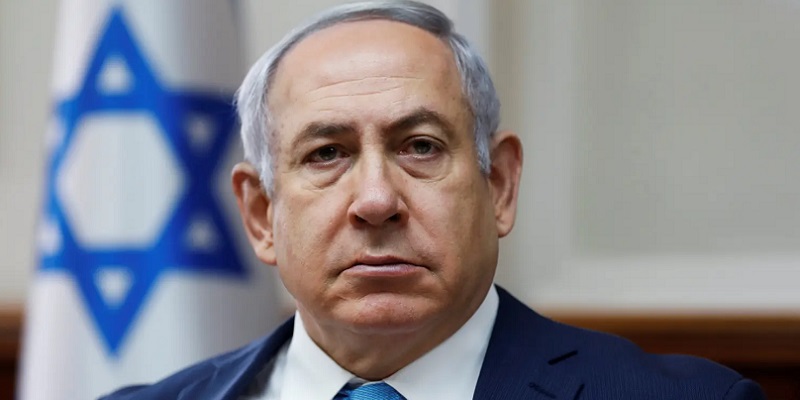
TDIsrael’s Defense Minister Israel Katz has warned that whoever is chosen as the next Iranian Supreme Leader will be considered a “target for elimination” from the moment of appointment.

Katz’ warning was considered as one of the most uncompromising statements yet in the ongoing confrontation with Tehran.
Katz’s Warning
Katz declared that Israel is not only fighting the current regime but is prepared to confront any successor chosen by Iran’s Assembly of Experts, the clerical body responsible for appointing the Supreme Leader.
He emphasized that the warning is meant to send a clear message: any replacement regime will face the same fate as the current leadership.
The remarks underscore Israel’s strategy of deterrence.
The deterrence, experts say, is aimed at ensuring that Iran’s leadership transition does not provide an opportunity for the regime to regroup or recalibrate its policies.
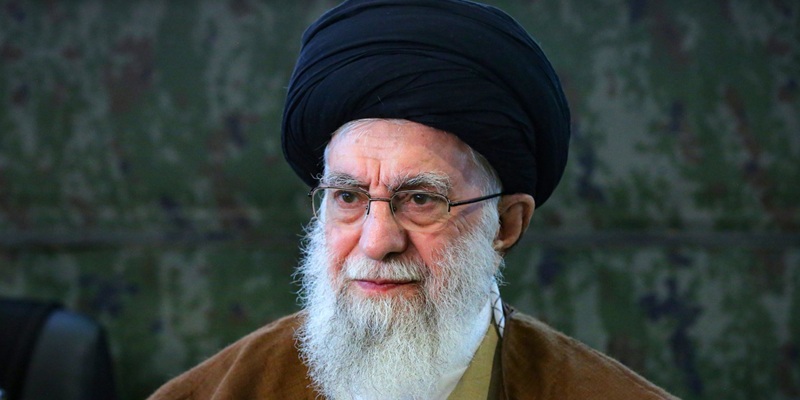
Context and Background
- Escalating conflict: Katz’s comments come amid a sharp escalation in hostilities between Israel and Iran.
The hostilities followed a series of military strikes, cyber operations, and intelligence confrontations across the region.
- Leadership succession: The question of succession in Iran is highly sensitive.
The Supreme Leader wields ultimate authority over the military, judiciary, and foreign policy.
Any transition is closely watched by both allies and adversaries.
- Israel’s posture: By declaring that any successor will be targeted, Israel signals that it views Iran’s leadership structure as inherently hostile, regardless of who occupies the position.
Implications
For Iran:
The warning could instill fear among potential successors, raising questions about their willingness to assume the role and their ability to appear publicly.
Analysts suggest that the threat may force Iran’s clerical establishment to rethink how it manages succession.
For Israel:
Katz’s statement reinforces Israel’s doctrine of preemptive deterrence.
It is designed to project strength and discourage Iran from pursuing aggressive policies under new leadership.
For the region:
The rhetoric risks inflaming tensions further, complicating diplomatic efforts by regional and global powers to de‑escalate the conflict.
It also raises the possibility of retaliatory threats from Iran, potentially destabilizing the wider Middle East.
Global Reactions
- Diplomatic concern: International observers are likely to view Katz’s remarks as a dangerous escalation, with potential to undermine efforts at mediation.
- Security implications: Western intelligence agencies will be monitoring closely to see how Iran’s Assembly of Experts responds, and whether succession planning is altered in light of Israel’s threat.
- Public perception: Within Iran, the warning may be used by hardliners to rally nationalist sentiment, portraying Israel’s stance as proof of external hostility.
This development marks a significant escalation in Israel’s messaging toward Iran.
It reinforces the view that leadership succession in Tehran will not shield the regime from Israel’s military and intelligence operations.
The statement is both a deterrent and a provocation, setting the stage for heightened uncertainty in the region.