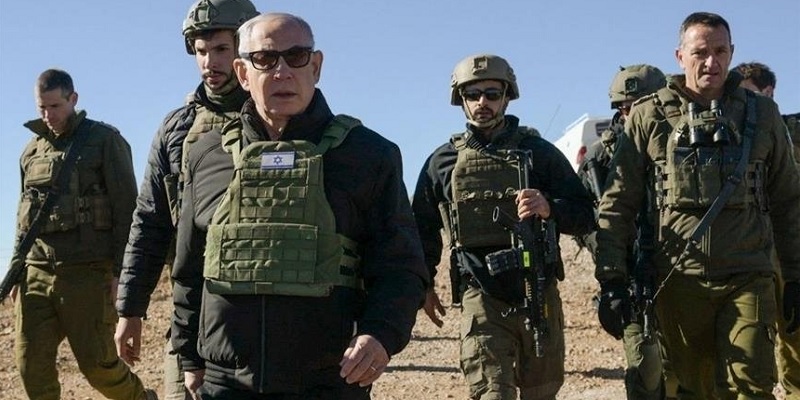
TDIsrael has announced plans to mobilise 80,000 special forces troops and launch what officials describe as its largest offensive yet against Iran.

The move marks a significant escalation as the ongoing Middle East war enters its fourth week.
The warning came amid intensifying hostilities between Israel and Iran, with both sides expanding the scope and scale of their attacks.
Israel Threatens “Biggest Attack” Yet
In a strongly worded declaration, Israeli authorities signaled a surge in military operations, stating:
“We are calling in our 80,000 special forces. We will carry out the biggest attack on Iran to date.”
Israel’s Defence Minister Israel Katz reinforced the warning.
Katz said that the “intensity of attacks” by Israel and its ally, the United States, would increase significantly in the coming days.
The planned mobilisation is seen as preparation for expanded ground and coordinated air operations targeting Iranian military and nuclear infrastructure.
Iran Expands Missile Reach
The escalation follows a major development in Iran’s military capabilities after Tehran reportedly launched a long-range missile targeting the Diego Garcia air base in the Indian Ocean.
The base, located about 4,000 kilometres from Iran, is jointly operated by the United States and the United Kingdom.
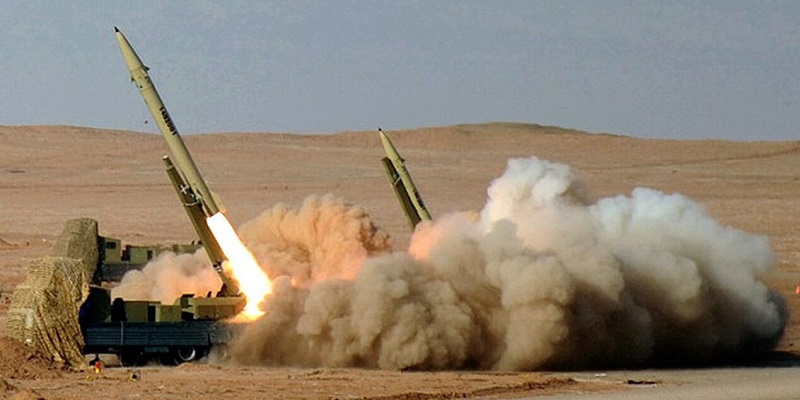
Although the strike was unsuccessful, Western officials say it demonstrates that Iran possesses missiles capable of reaching much farther than previously acknowledged.
Britain condemned the attack, describing it as a threat to its interests and those of its allies.
Intensified Airstrikes and Retaliation
Heavy airstrikes were reported overnight in Tehran, as Israeli and U.S. forces continued targeting strategic sites across Iran.
Among the key developments:
- Iran’s Natanz nuclear facility was hit again in an airstrike.
Iranian authorities confirmed the attack but said there was no radiation leakage.
- Missile fragments from an Iranian strike landed near Tel Aviv, hitting an empty kindergarten.
No casualties were reported.
- Regional tensions escalated further as Saudi Arabia intercepted 20 drones over its oil-rich eastern region.
The International Atomic Energy Agency (IAEA) said it had been informed that radiation levels around Natanz remained stable, while it continues to monitor the situation.
U.S. Strategy Appears Mixed
While military operations intensify, Donald Trump indicated that he is considering “winding down” U.S. involvement in the conflict.
However, this statement contrasts with ongoing U.S. military deployments, including:
- Three additional amphibious assault ships
- Approximately 2,500 more Marines sent to the region
The U.S. administration has also requested an additional $200 billion from Congress to fund the war effort.
The request signals that large-scale operations may continue despite talk of de-escalation.
Iran Calls for End to War
Iranian Foreign Minister Abbas Araghchi said Tehran is seeking a “complete, comprehensive and lasting end to the war”, rejecting temporary ceasefire arrangements.
At the same time, Iran has issued broader warnings.
Military officials are threatening that global locations — including tourist and recreational sites — could become targets if hostilities continue.
Rising Global Impact
The conflict is already having far-reaching consequences beyond the Middle East:
- Oil supply disruptions are driving up global fuel prices
- Food costs are increasing in several regions
- Shipping routes, including the Strait of Hormuz, face heightened risk
Security analysts warn that further escalation — particularly a large-scale Israeli offensive — could trigger a wider regional war involving multiple countries.
Leadership Under Pressure
Iran’s Supreme Leader Mojtaba Khamenei, who recently assumed power following the killing of his father, faces immediate challenges in navigating the crisis.
Observers say his leadership will be tested by:
- Sustained foreign military pressure
- Internal economic strain
- Managing public morale amid ongoing strikes
Situation Remains Volatile
With Israel preparing to deploy tens of thousands of special forces and Iran demonstrating expanded missile capabilities, the conflict shows no immediate signs of slowing.
Military analysts warn that the coming days could mark a decisive phase in the war, potentially reshaping the geopolitical landscape of the Middle East.
For now, the world watches as tensions continue to escalate, with the risk of a broader confrontation growing by the day.