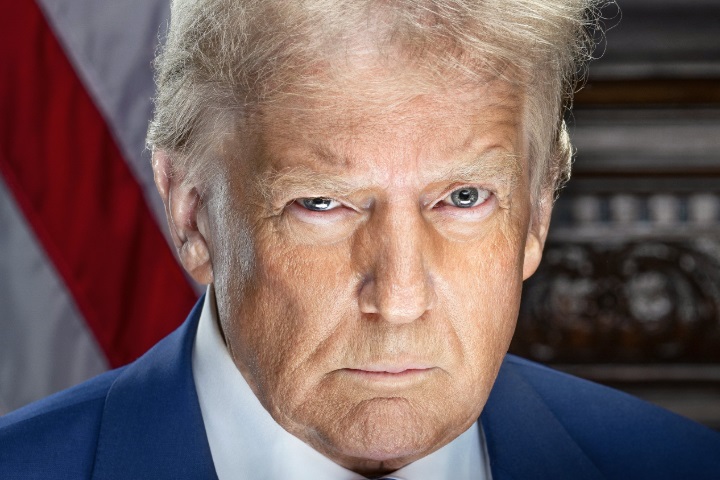
THIS DAWN — President Donald Trump has issued a stark warning to Iran amid reports that Tehran may be attempting to rebuild its nuclear program.

Speaking on December 29, 2025, Trump declared that if Iran continues developing nuclear weapons, the United States will act decisively.
He said that the action may include granting rapid approval for any Israeli military action against Iranian facilities.
His remarks underscore the heightened tensions in the Middle East and the potential for escalation should Iran pursue nuclear ambitions.
President Trump said he had “heard that Iran is trying to build up their nuclear program again.”
He added: “If they are, we’re going to have to knock them down.”
The President emphasized that his administration would not hesitate to support Israel in confronting Iran.
“If Israel decides to act, I will approve it fast,” Trump stated, signaling strong alignment with Israeli security concerns.
His comments reflect longstanding U.S. policy under his leadership of backing Israel’s right to defend itself against perceived existential threats.
Background on Iran’s Nuclear Program
Iran’s nuclear program has been a source of international contention for decades.
While Tehran insists its activities are for peaceful energy purposes, Western powers and Israel have accused Iran of seeking nuclear weapons capability.
The 2015 Joint Comprehensive Plan of Action (JCPOA), signed under President Barack Obama, sought to limit Iran’s nuclear activities in exchange for sanctions relief.
However, Trump withdrew the U.S. from the deal in 2018, citing its inadequacy in preventing Iran from eventually acquiring nuclear weapons.
Since then, Iran has gradually expanded its enrichment activities, raising alarms among international observers.
Israel’s Position
Israel has consistently viewed Iran’s nuclear program as an existential threat.
Successive Israeli governments have warned that they would not allow Tehran to acquire nuclear weapons.
Israeli Prime Minister Benjamin Netanyahu has previously stated that Israel reserves the right to act militarily against Iran’s nuclear facilities if necessary.
Trump’s assurance of “fast approval” for Israeli strikes reinforces the close U.S.–Israel security partnership.
It signals to Tehran that Washington would back Israeli preemptive action without delay.
Regional and Global Implications
Trump’s remarks carry significant geopolitical weight.
If Iran is indeed rebuilding its nuclear program, the risk of military confrontation increases.
Key implications include:
- Middle East Stability: A U.S.-backed Israeli strike on Iran could trigger retaliatory actions by Tehran, potentially involving proxy groups such as Hezbollah in Lebanon or militias in Iraq.
- Global Energy Markets: Escalation in the Gulf region could disrupt oil supplies, leading to price volatility and economic repercussions worldwide.
- Diplomatic Fallout: Renewed tensions may complicate ongoing efforts by European powers and the United Nations to revive nuclear negotiations with Iran.
Iran has historically denied accusations of pursuing nuclear weapons, framing its program as peaceful.
However, Tehran has also warned that any attack on its facilities would provoke severe retaliation.
Iranian officials have previously threatened to target Israeli cities and U.S. bases in the region if confronted militarily.
Trump’s comments may therefore harden Iran’s stance, making diplomatic engagement more difficult and increasing the likelihood of confrontation.
U.S. Domestic and International Reactions
Within the United States, Trump’s remarks are likely to reignite debate over his foreign policy approach.
Supporters argue that his tough stance deters Iran and reassures allies like Israel.
Critics, however, warn that such rhetoric risks escalating tensions unnecessarily and undermines diplomatic solutions.
Internationally, European allies may express concern that Trump’s position undermines efforts to revive the JCPOA or negotiate new agreements.
Meanwhile, Gulf states such as Saudi Arabia and the UAE, which view Iran as a regional rival, may quietly welcome Trump’s hardline stance.
President Trump’s warning to Iran marks a critical moment in U.S. foreign policy.
By pledging swift approval for Israeli strikes, he has signaled unwavering support for Israel and a readiness to confront Iran militarily if nuclear weapons development continues.
The statement raises the stakes in an already volatile region, with potential consequences for diplomacy, security, and global markets.
As tensions mount, the world will closely watch Iran’s next moves and whether Trump’s administration pursues military action or leaves room for renewed negotiations.