

TDThe simmering conflict between the United States, Israel, and Iran has taken a dramatic turn after Iran fired two ballistic missiles at the joint US-UK military base on Diego Garcia in the Indian Ocean.

Though intercepted before impact, the strike represents the first direct attack on the base and signals Iran’s expanding military reach, raising fears of a wider escalation.
Iran’s Warning to Britain
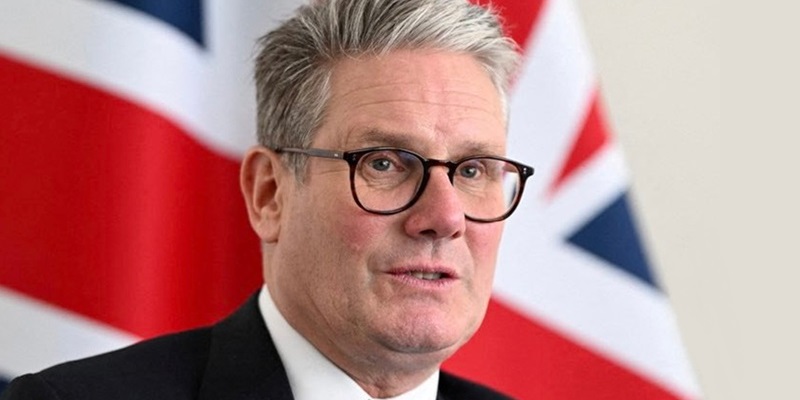
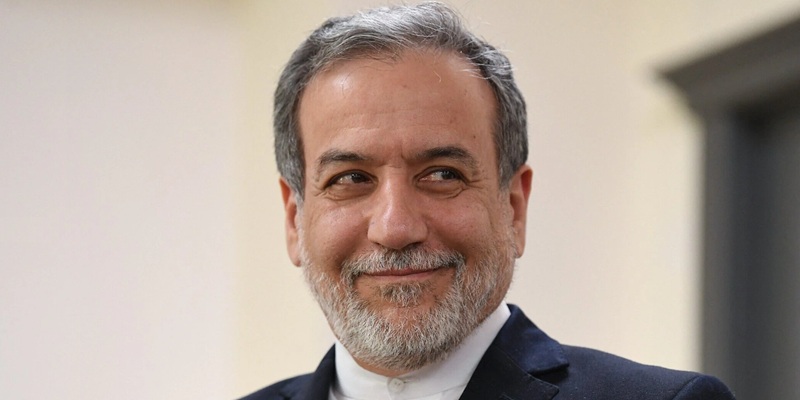
Iranian Foreign Minister Abbas Araghchi issued a sharp rebuke to Prime Minister Keir Starmer.
Araghchi accused Starmer of endangering British lives by permitting US forces to operate from UK bases.
“The vast majority of the British people do not want any part in the Israel-US war of choice on Iran.
“Ignoring his own people, Mr. Starmer is putting British lives in danger by allowing UK bases to be used for aggression against Iran,” Araghchi declared on X.
Iran vowed to exercise its “right to self-defense” should Britain continue to support US military operations, framing the UK’s involvement as complicity in aggression.
Details of the Strike
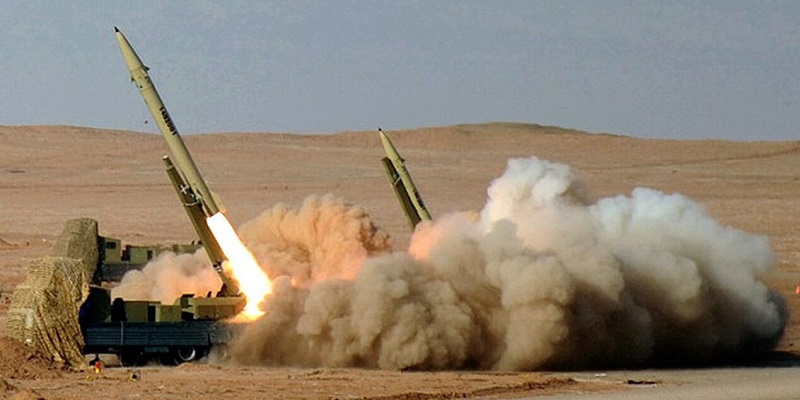
- Two intermediate-range ballistic missiles were launched toward Diego Garcia.
- One missile failed mid-flight; the other was intercepted by a US warship.
- No casualties or damage were reported, but the strike demonstrated Iran’s ability to hit targets nearly 3,800 km away, far beyond its previously claimed 2,000 km range.
The UK Ministry of Defence condemned the attack as “reckless”.
The UK Ministry stressed that British jets and assets remain deployed to defend personnel and allies in the region.
Britain’s Role and Political Fallout
The UK government confirmed that its agreement with Washington permits US use of British bases for “specific and limited defensive operations.”
Yet critics argue that Starmer’s decision has effectively drawn Britain deeper into the war.
General Sir Richard Barrons, former head of Joint Forces Command, warned that Iran’s capabilities had been “serially underestimated”.
Barrons noted that Britain is now fully engaged in applying military force alongside the US.
Domestically, the fallout has been sharp:
- Conservative leader Kemi Badenoch branded Starmer’s move “the mother of all U-turns.”
- The Liberal Democrats and Green Party demanded parliamentary approval before granting US access to UK bases.
- Critics warn that Britain risks being “sucked into an American war” without a clear exit strategy.
Strategic and Economic Implications
Diego Garcia, located on the Chagos Islands, has long been a critical launchpad for US operations in the Middle East, with extensive fuel storage, radar installations, and a deep-water port.
Its targeting underscores Iran’s intent to expand the battlefield beyond the Gulf.
Meanwhile, the economic fallout is mounting:
- Brent crude prices surged to nearly $118 per barrel after Iran threatened “full-scale economic war” and struck Qatar’s LNG facilities.
- UK households face rising energy bills, with experts warning of a potential 20% increase when the price cap changes in July.
- The Cabinet has convened emergency meetings to discuss relief measures, urging citizens to conserve energy as the crisis deepens.
Global Context
The strike comes amid heightened tensions over the Strait of Hormuz, through which a fifth of the world’s oil supply passes.
Iran’s effective blockade of the waterway has already disrupted global shipping and triggered fears of prolonged instability in energy markets.
The United States has insisted that its military campaign is aimed at preventing Iran from developing nuclear weapons.
Meanwhile, President Trump has declared that the US is “literally obliterating the other side.”
Yet questions remain over whether air power alone can achieve strategic objectives.
Analysts warn that escalation to ground operations or blockades may be considered.
Outlook
The missile strike on Diego Garcia highlights Iran’s willingness to retaliate against Western assets far beyond its borders.
The Strait of Hormuz remains effectively shut and global energy markets also remains destabilized.
Britain’s deeper involvement in the conflict presents both strategic risks abroad and political challenges at home.
Iran’s unprecedented strike on Diego Garcia signals a dangerous escalation, testing UK resolve.
In the meantime, Prime Minister Starmer faces mounting domestic criticism for allowing US use of British bases.
The attack underscores Iran’s growing reach and the fragile balance between military commitments and economic stability.