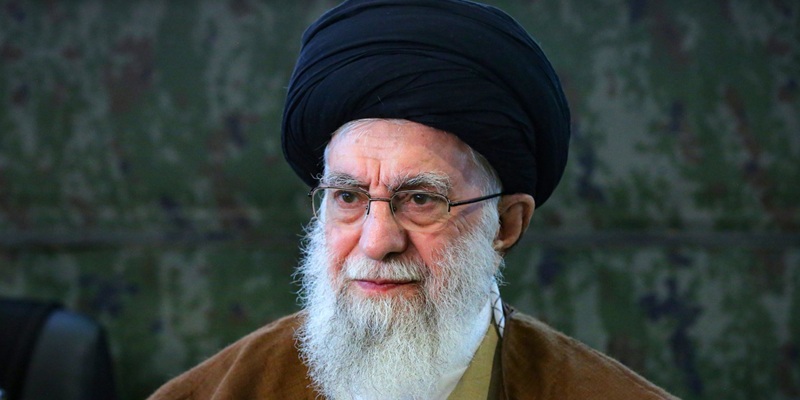
TDAs a fragile ceasefire takes hold after 38 days of intense conflict, Iran is facing mounting questions about the scale of its losses.

Accounts of official and unofficial sources have circulated dramatic claims of devastation.
The destruction ranges from the assassination of top officials to the destruction of critical infrastructure.
While some of these reports remain unverified, they have sparked debate about the war’s toll and the credibility of information emerging from the battlefield.
Alleged Iranian Losses
Posts widely shared online allege that Iran suffered extraordinary setbacks, including:
- Assassination of the Supreme Leader and 450 officials
- Destruction of the Parliament building
- Destruction of the Assembly of Experts
- Destruction of the state TV building
- 11,000 soldiers killed
- Destruction of 250 air defense systems
- Destruction of 4 airports
- Destruction of 16 military airfields
- Destruction of 14 air bases
- Destruction of the Pars petrochemical complex
- Destruction of the B1 bridge
- Destruction of Sharif University
- Steel factories destroyed
- Destruction of Golestan Palace
- Bombing of 16 oil refineries
- Destruction of 51 warships
- Destruction of 3 oil tankers
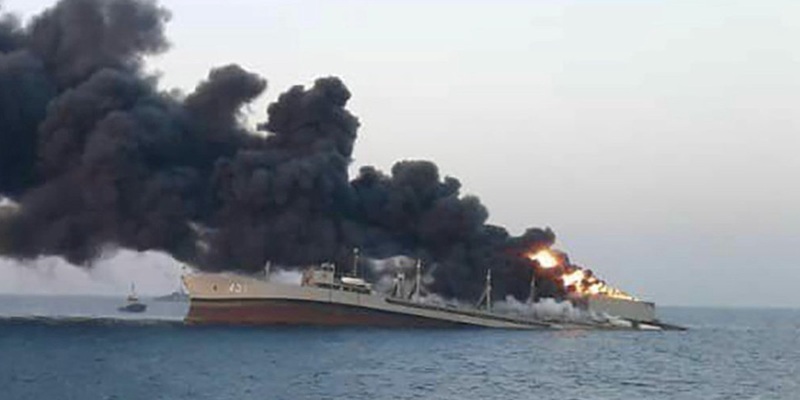
If accurate, these figures would represent one of the most devastating blows to a nation’s military and civil infrastructure in modern warfare.
Comparison With U.S. and Israeli Losses
In contrast, reports concerning U.S. and Israeli losses during the same period paint a far less catastrophic picture.
-
United States:
Official statements acknowledge limited casualties among deployed forces, with damage largely confined to forward bases and logistical hubs.
Analysts note that U.S. military resilience and global reach allowed it to absorb attacks without significant disruption to its broader capabilities.
-
Israel:
Israel has reported casualties among both soldiers and civilians, alongside damage to infrastructure from missile strikes.
However, the Israeli Defense Forces (IDF) maintain operational control, and government institutions remain intact.
Israel’s Iron Dome and other defense systems are credited with mitigating the scale of destruction.
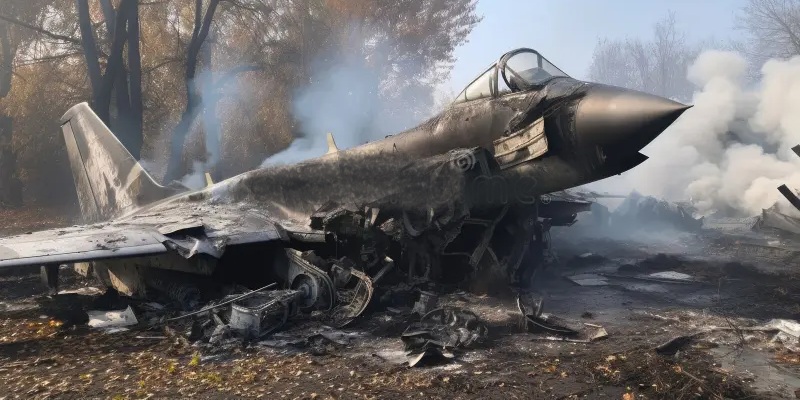
The disparity between alleged Iranian losses and reported U.S./Israeli losses has fueled speculation about the accuracy of claims circulating online.
Some observers suggest the figures may be exaggerated or part of an information war aimed at shaping perceptions of victory and defeat.
Fog of War and Information Battles
The conflict has underscored the role of information warfare in modern conflicts.
With traditional media restricted and official channels tightly controlled, social media has become a primary source of updates.
Analysts caution that both sides may be inflating or downplaying losses to maintain morale and international support.
Inside Iran, the ceasefire has brought temporary relief but also exposed deep anxieties.
Citizens face fuel shortages, economic disruption, and uncertainty about the future.
Universities, factories, and cultural sites have reportedly been damaged, though the extent remains unclear.
Political analysts warn that if leadership figures were indeed assassinated, Iran could face a destabilizing power vacuum.
For now, the government insists it remains in control, urging citizens to resist “foreign propaganda.”
Global Reactions
International observers are calling for transparency.
Human rights groups demand independent investigations into civilian casualties and infrastructure damage.
Meanwhile, regional powers are watching closely, wary of the ceasefire collapsing into renewed hostilities.
The United Nations has urged restraint and emphasized the need for credible reporting to assess humanitarian needs.
As Iran counts its losses amid the ceasefire, the true scale of destruction remains contested.
While social media paints a picture of unprecedented devastation, official reports from the U.S. and Israel suggest far more limited damage on their side.
Until independent verification is possible, the world is left navigating the fog of war, where information itself has become a weapon as powerful as missiles and bombs.