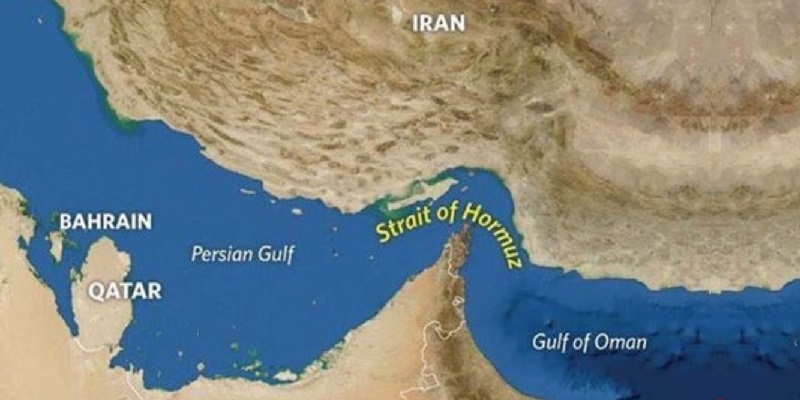

The Strait of Hormuz, long regarded as the world’s most vital oil artery, is reportedly being transformed into a toll passage.
Shipping industry sources claim Iran has begun charging up to $2 million per tanker to cross the narrow waterway.
The move could upend global energy logistics and ignite fresh geopolitical tensions.
Roughly 20% of the world’s oil supply flows through this corridor daily, alongside significant volumes of liquefied natural gas.
A Chokepoint of Global Trade
The Strait of Hormuz, a slender stretch of water between Oman and Iran, is the only sea passage from the Persian Gulf to the open ocean.
For decades, the strait has symbolized both opportunity and vulnerability: a lifeline for energy-hungry economies from Asia to Europe.
It is also a flashpoint in Middle Eastern geopolitics.
Traditionally, passage through the strait has been free under international maritime law, which guarantees freedom of navigation in international waters.
Iran’s reported imposition of fees marks a dramatic departure from precedent.
It raises questions about sovereignty, legality, and the balance of power in the region.
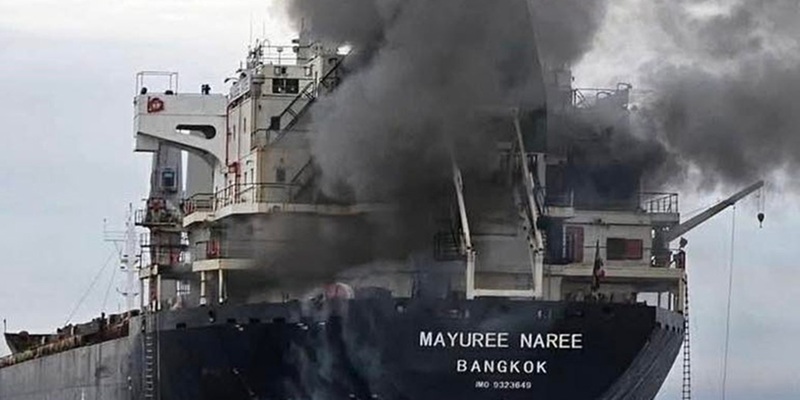
Potential Ripple Effects
Analysts warn that the consequences of such charges could reverberate across global markets:
- ⛽ Oil Prices: With shipping costs suddenly inflated, crude prices could surge, adding pressure to already volatile energy markets.
- 🚢 Trade Routes: Some carriers may attempt to reroute through longer, costlier alternatives, such as pipelines or overland transport, though these options are limited.
- ⚖️ Legal Dispute: The move could spark international legal challenges, as freedom of navigation is a cornerstone of maritime law.
- 🌐 Geopolitical Tensions: The toll could be seen as Iran leveraging its geographic position to exert influence over global trade.
It can potentially escalate friction with Gulf neighbors and Western powers.
A Corridor Turned Gatehouse
Industry insiders describe the development as turning a global oil highway into a pay-to-pass corridor.
That effectively gives Iran a gatekeeper role over one of the world’s most strategic waterways.
For oil producers in Saudi Arabia, Iraq, Kuwait, and the United Arab Emirates, the toll represents not just an economic burden but a political challenge.
For consumers worldwide, it could mean higher fuel costs and renewed uncertainty in energy security.
Historical Context
The Strait of Hormuz has often been at the center of geopolitical drama.
From tanker wars during the Iran-Iraq conflict in the 1980s to more recent tensions involving U.S. and Iranian naval forces, the waterway has been a stage for power struggles.
Iran’s reported toll imposition adds a new layer to this history — one that blends economics with geopolitics.
This, in a way, could reshape maritime norms.
This development, if confirmed, signals a profound shift in how nations may wield control over strategic trade routes.
What was once a free-flowing artery of global commerce may now become a contested corridor, with Iran holding the toll gate.`