THIS DAWN — Iran is witnessing one of its most turbulent periods in recent history as anti-regime protests continue to intensify across major cities.

Demonstrators have flooded the streets of Tehran and other urban centers, setting fires, targeting government facilities, and clashing with security forces.
The unrest has drawn sharp international reactions, including warnings from U.S. President Donald Trump.
Trump had vowed that Washington would hit Iran “hard” if protesters are killed.
Escalation in the Streets
Scenes of burning vehicles and barricades have become increasingly common in Tehran, Isfahan, and other cities.
Protesters have torched cars belonging to Iranian security forces and set fire to the headquarters of Iran’s state broadcaster, IRIB, in Isfahan.
The demonstrations, which began as localized gatherings, have now evolved into large-scale anti-regime protests.
The protesters are demanding political change and accountability from the ruling establishment.
Reports indicate that protesters are deliberately targeting symbols of state authority, including government buildings and security infrastructure.
The unrest has disrupted daily life, with widespread fires and clashes creating an atmosphere of chaos and defiance.
Disruptions to Infrastructure
The protests have had a significant impact on Iran’s infrastructure.
Authorities suspended flights at Tabriz International Airport amid security concerns, while telephone lines across parts of the country were cut, according to the Associated Press.
Most notably, Iran has experienced a total internet blackout lasting more than 12 hours, severely limiting communication and access to information.
Analysts suggest the blackout is a deliberate attempt by the government to stifle coordination among protesters and control the narrative of events.
International Reactions
The United States has responded strongly to the unfolding crisis.
President Trump warned that Iran would face severe consequences if protesters were harmed.
He stated that the regime “could collapse” under the weight of public dissent.
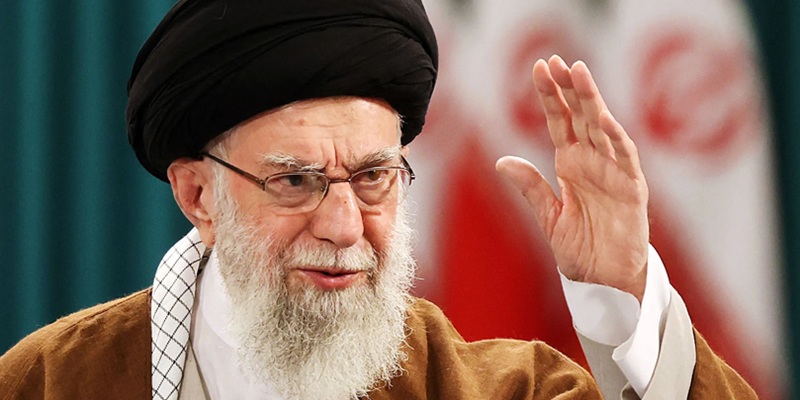
He further claimed that Supreme Leader Ayatollah Ali Khamenei was “looking for a place to flee,” underscoring Washington’s view that the regime is under unprecedented pressure.
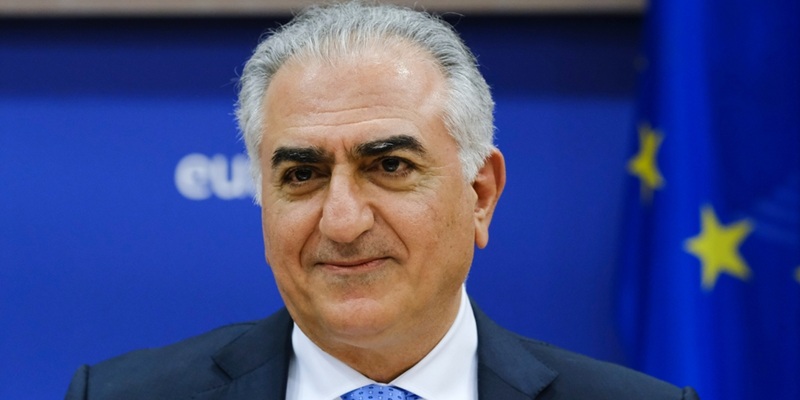
Exiled Crown Prince Reza Pahlavi also weighed in, urging Iranians to expand the scale of protests so that the regime’s grip on power “becomes even weaker.”
His comments reflect the growing involvement of diaspora figures in encouraging domestic resistance against the government.
Rising Odds of Regime Change
Political analysts and monitoring groups have noted a sharp increase in the perceived likelihood of regime change.
Estimates suggest that the odds of Supreme Leader Khamenei being removed from power this year have risen to 56 percent, reflecting the severity of the crisis.
Such projections remain speculative, though.
However, they highlight the growing belief that the current wave of protests could mark a turning point in Iran’s political trajectory.
Iranian authorities have deployed security forces to quell the unrest, but their efforts have been met with fierce resistance.
Protesters continue to set fires and block roads, demonstrating resilience despite crackdowns.
The burning of security vehicles and attacks on state institutions are increasing.
They suggest that demonstrators are increasingly willing to confront the regime directly, rather than limiting their actions to peaceful marches.
The government’s reliance on internet blackouts and communication restrictions underscores its struggle to contain the protests.
These measures, however, have only fueled anger among citizens who view them as evidence of authoritarian suppression.
Broader Implications
The intensifying protests carry significant implications for Iran’s domestic stability and international relations.
Domestically, the unrest reflects deep-seated frustration with economic hardship, political repression, and lack of freedoms.
Internationally, the crisis places Iran under heightened scrutiny, with Western governments warning of consequences if violence against protesters escalates.
The suspension of flights and communication disruptions also raise concerns about the safety of foreign nationals and the potential for broader regional instability.
Neighboring countries and global powers are closely monitoring the situation.
Stakeholders have expressed awareness that prolonged unrest in Iran could have ripple effects across the Middle East.
Iran Burns
Iran’s streets are burning as anti-regime protests intensify, with demonstrators targeting state institutions and security forces in unprecedented ways.
The government’s attempts to suppress dissent through internet blackouts and communication cuts have failed to quell the unrest.
Meanwhile, international voices—including President Trump and exiled Crown Prince Reza Pahlavi—have amplified calls for change.
With the odds of Supreme Leader Khamenei’s removal rising and the regime facing mounting pressure, Iran stands at a critical juncture.
Whether the protests lead to meaningful political transformation or further repression remains uncertain.
In the meantime, the scale and intensity of the demonstrations suggest that the status quo is increasingly untenable.