
 ABUJA, Nigeria — The Independent National Electoral Commission (INEC) has scheduled a nationwide mock accreditation and voting exercise for November 28, 2026.
The exercise will test the commission’s upgraded electoral technology ahead of the 2027 general elections.
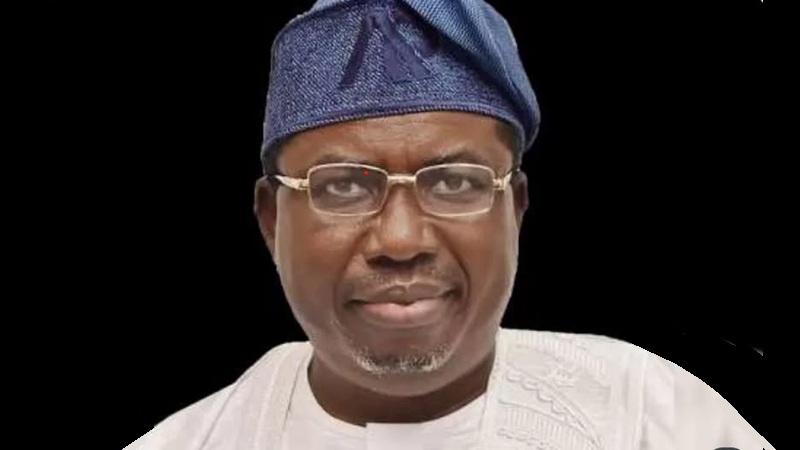
INEC Chairman, Professor Joash Amupitan, announced the date on Thursday during a dialogue at Chatham House in London.
The event was organised in partnership with the Kimpact Development Initiative (KDI).
Amupitan said the exercise would simulate the presidential election across all states.
It will assess the effectiveness of voter accreditation and electronic transmission of election results.

According to him, the commission wants to identify technical weaknesses before the 2027 elections.
INEC Upgrades BVAS Technology
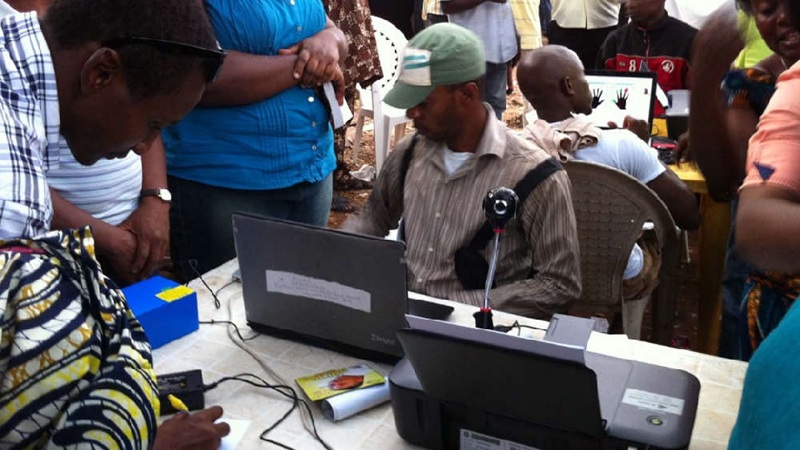
The mock exercise will test improvements to the Bimodal Voter Accreditation System (BVAS).
The technology was introduced to strengthen voter accreditation and reduce electoral malpractice.
However, technical challenges during the 2023 general elections generated public criticism.
Amupitan disclosed that INEC had procured additional BVAS devices to improve operational efficiency.
The commission has also reduced the maximum number of registered voters assigned to each device.

Previously, each BVAS machine could serve up to 1,250 registered voters.
The commission has now reduced that figure to 850 voters per device.
Polling units with more than 850 registered voters will receive additional machines.
Amupitan also revealed plans to construct climate-controlled storage facilities across the states.
The facilities are expected to protect BVAS devices from extreme temperatures and storage-related problems.
He said the commission chose to upgrade its existing technology rather than introduce an entirely new system.

The decision reflects the limited time remaining before the 2027 elections.
INEC Introduces New Safeguards Against Inaccurate Results
INEC has also introduced technical safeguards to prevent inaccurate election results from reaching its Result Viewing Portal.
The portal, known as IReV, allows Nigerians to view polling-unit results electronically.
Amupitan said the new measures would block results containing inaccuracies or figures indicating over-voting.
He explained that INEC’s post-2023 review identified collation centres as a major source of result-management problems.
The commission believes stronger validation at polling units could reduce discrepancies during collation.
Amupitan said results that fail the required checks would not be uploaded to IReV.
He expressed confidence that the safeguards would improve the reliability of results displayed on the platform.
However, the November 28 exercise will provide an opportunity to test these measures.
Their effectiveness will remain an important issue for election observers and Nigerians.
2023 Election Controversies Remain a Challenge
The preparations come amid lingering concerns about the credibility of Nigeria’s electoral process.
The 2023 general elections generated widespread controversy over electronic result transmission.
Technical problems and delays involving IReV attracted criticism from political parties and election observers.
The controversies contributed to declining public confidence in the commission.
Amupitan acknowledged that INEC had not fully recovered from the damage to its reputation.
He said rebuilding public trust remains an important responsibility ahead of the next elections.
The chairman also identified insecurity, logistics and result management as major priorities.
These challenges could affect the commission’s ability to deliver credible elections in 2027.
Dates for the 2027 General Elections
INEC has scheduled the 2027 presidential and National Assembly elections for January 16.
The governorship and State Houses of Assembly elections will follow on February 6, 2027.
The commission is expected to use the November mock exercise to assess its operational readiness.
The test will also provide an opportunity to identify problems before the actual elections.
Political parties, civil society organisations and election observers will closely monitor INEC’s preparations.
Nigerians Await Proof of Electoral Improvements
The announcement has placed renewed attention on INEC’s efforts to strengthen the electoral process.
Many Nigerians want assurances that the problems experienced in 2023 will not recur.
The commission’s proposed safeguards represent an important part of its preparations.
However, public confidence will depend on how effectively these measures work in practice.
The November 28 mock exercise will therefore be an important test for the electoral body.
As preparations continue, Nigerians will be watching closely for improvements in transparency, accuracy and accountability.
ThisDawn News will continue monitoring INEC’s preparations and provide updates as more information becomes available.