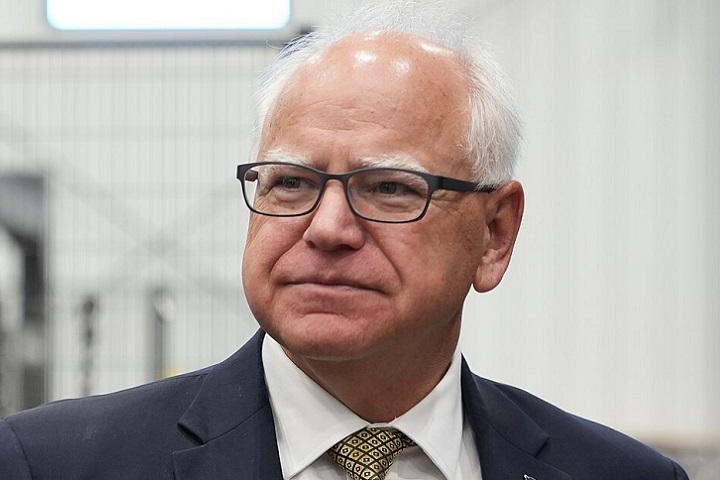
THIS DAWN — A political and operational clash is unfolding in Minnesota as Governor Tim Walz prepares to deploy the state’s National Guard in response to aggressive Immigration and Customs Enforcement (ICE) activity authorized by President Donald Trump.
The confrontation follows a deadly ICE-involved shooting in Minneapolis.
The shooting has ignited fierce debate over federal overreach, state sovereignty, and immigration enforcement.
Highlights
- Anti-ICE protesters burn American flag in Minneapolis.
- Governor Tim Walz prepares to deploy Minnesota National Guard to keep ICE out of the state.
- Vice President JD Vance calls for Tim Walz to resign.
- Minneapolis Mayor Jacob Frey tells ICE to ‘get the fuck out’ of the city after fatal shooting of a US citizen.
- ICE shoots and kill woman blocking traffic in Minnesota for allegedly “attempting to run over” agents.
- Democratic Party says “ICE shot and killed a woman on camera today. We all saw the video. The Trump administration is lying.”
- ICE officer fires shots after suspect attempts to run over law enforcement in Minneapolis.
- Department of Homeland Security has confirmed that the perpetrator is now “deceased.”

The Flashpoint: ICE Shooting in Minneapolis
The immediate catalyst for the crisis was a fatal shooting involving an ICE officer in Minneapolis on January 7, 2026.
According to federal officials, the incident occurred during an enforcement operation targeting individuals suspected of domestic terrorism.
Protesters reportedly attempted to block ICE agents, leading to a confrontation that ended with the death of a woman.
The Trump administration defended the operation, characterizing it as a necessary response to escalating threats.
The Department of Homeland Security (DHS) claimed the agents acted in self-defense.
However, Governor Walz condemned the incident, accusing federal authorities of stoking fear and chaos in his state.
Walz’s Response: National Guard on Standby
In a press conference hours after the shooting, Walz announced that he had issued a warning order to prepare the Minnesota National Guard for potential deployment.
“What we’re seeing is the consequence of governance designed to generate fear, headlines, and conflict,” Walz said.
He added that he would not allow federal agents to operate unchecked in Minnesota.
The governor’s remarks signaled a dramatic escalation, suggesting that state forces could be used to block or monitor ICE operations.
While Walz stopped short of issuing a full deployment order, the warning was clear: Minnesota would not be a passive participant in what he described as a federal assault on civil liberties.
Trump Administration Pushes Back
The White House responded swiftly, accusing Walz of undermining federal law enforcement and jeopardizing national security.
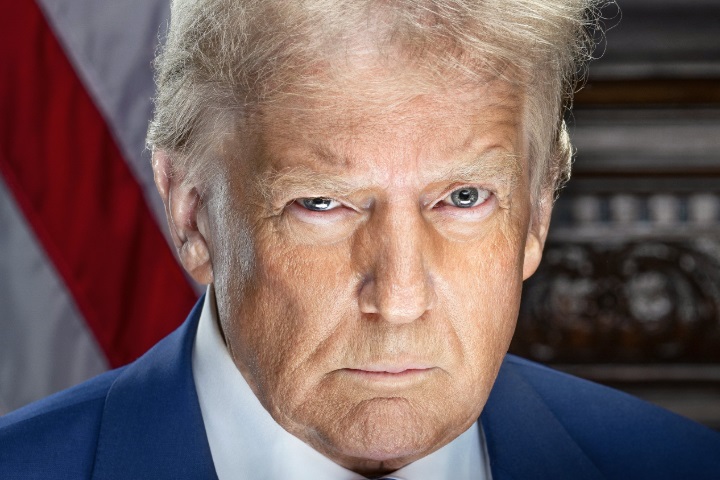
President Trump, speaking at a rally in Florida, called Walz “a disgrace to the office” and vowed to continue ICE operations “with or without his permission.”
Administration officials argued that immigration enforcement is a federal prerogative and that states have no authority to obstruct lawful operations.
DHS spokespersons emphasized that ICE agents were acting under direct orders and that any interference by state forces would be met with legal consequences.
The standoff raises complex legal questions about the balance of power between state and federal governments.
While immigration enforcement falls under federal jurisdiction, states retain control over their own law enforcement and military resources.
Walz’s threat to deploy the National Guard introduces a constitutional gray area—one that could lead to court battles if the situation escalates.
Legal scholars note that governors can mobilize National Guard units for state emergencies.
However, they expressed concerns that using them to obstruct federal agents could be interpreted as unlawful interference.
Meanwhile, Walz’s defenders argue that he is acting within his rights to protect residents from what he views as reckless and politically motivated federal actions.
Public Reaction and Political Fallout
The clash has polarized public opinion in Minnesota and beyond.
Supporters of Walz praise his defiance, viewing it as a stand against authoritarianism and a defense of immigrant communities.
Critics, however, accuse him of grandstanding and risking public safety for political gain.
The incident has also reignited national debates over immigration policy, federalism, and the role of state governments in resisting federal mandates.
With Walz not seeking reelection, some analysts believe he is using his final months in office to cement his legacy as a progressive champion.
What Comes Next
As of now, the Minnesota National Guard remains on standby.
ICE operations continue, albeit under heightened scrutiny and public protest.
The situation remains fluid, with both sides digging in and no clear resolution in sight.
The next steps may depend on whether further incidents occur, whether legal challenges are filed, and whether other states join Minnesota in resisting federal immigration enforcement.
For now, the standoff in Minnesota serves as a vivid illustration of the tensions between state autonomy and federal authority in an era of deep political division.
Governor Tim Walz’s decision to prepare the Minnesota National Guard in response to ICE activity marks a dramatic moment in the ongoing struggle over immigration enforcement and federal power.
As tensions rise and legal boundaries blur, Minnesota finds itself at the center of a constitutional and political storm.
The storm, according to observers, could reshape the relationship between states and the federal government for years to come.