THIS DAWN — Kano State, once celebrated as the ideological heartbeat of Nigeria’s northern politics, is again engulfed in political turbulence.

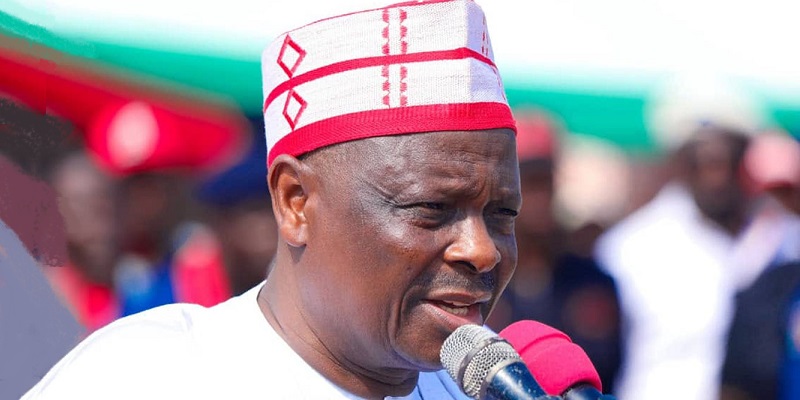
The ongoing feud between Governor Abba Kabir Yusuf and his political benefactor, Senator Rabiu Musa Kwankwaso, has exposed deep fractures within the New Nigeria People’s Party (NNPP).
Yet, as Shu’aibu Usman Leman argues, this crisis is not merely a clash between patron and protégé—it is the culmination of a political culture that has traded ideology for godfatherism and personality cults.
Kwankwaso’s Dominance and Its Consequences
For over two decades, Kwankwaso has been the undisputed fulcrum of Kano politics. His influence transcends party structures, civil institutions, and electoral cycles.
He has functioned as the arbiter of political destiny, determining who rises, who falls, and who remains relevant.
But such concentrated dominance, Leman contends, is evidence of institutional decay rather than vitality.
In a healthy democracy, leadership regenerates, ideas evolve, and power circulates among new generations.
In Kano, however, politics has stagnated around one man, stifling democratic maturity and preventing pluralistic discourse.
Kwankwasiyya: Symbolism Without Ideology
The Kwankwasiyya movement, often hailed as a grassroots revolution, is revealed as a personality-driven network built on loyalty and patronage.
Its red caps, slogans, and choreographed rallies substitute symbolism for philosophy.
Unlike the Aminu Kano School of Thought, which championed social justice and empowerment of the Talakawa, Kwankwasiyya lacks a coherent worldview or reform agenda.
Aminu Kano’s politics was confrontational, principled, and rooted in moral conviction.
Abubakar Rimi extended this legacy with fearless reformism, challenging feudal structures at great personal cost.
Kwankwasiyya, by contrast, has migrated across parties—PDP, APC, and now NNPP—without ideological discomfort. The only constant has been Kwankwaso’s personal control.
Governor Yusuf: A Product of Godfatherism
Governor Abba Kabir Yusuf’s rise to power exemplifies the restrictive system of godfatherism.
His mandate was not earned through independent vision but conferred by Kwankwaso’s endorsement and political machinery.
Predictably, this arrangement has fractured.
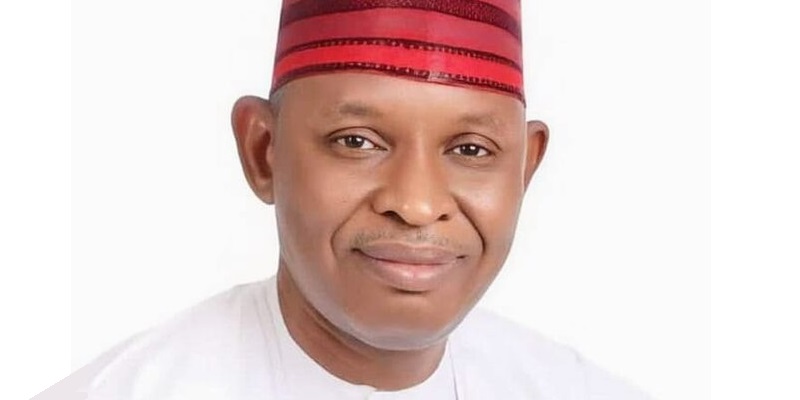
Godfatherism cannot tolerate autonomy, and protégés eventually rebel when control becomes suffocating.
Kwankwaso’s remark that “betrayal never leads to success” reflects the entitlement embedded in this culture—an assumption that power conferred is a debt never discharged.
Defections and Convenience Politics
Reports of Governor Yusuf’s inclination to defect to the APC are less about courage than survival.
It is a calculated move to secure a second term, driven by political expediency rather than ideological conviction.
The anticipated mass defections of lawmakers and officials alongside him reveal a political elite devoid of principle.
Their loyalty is to power, not to values.
This “convenience politics” betrays Kano’s ideological heritage and reduces politics to a scramble for relevance.
Kano once led Nigeria in ideological politics. Aminu Kano and Rimi embodied politics as service and struggle, not patronage.
Today, the feud between Kwankwaso and former deputy Abdullahi Umar Ganduje has reduced Kano’s politics to vendettas and hollow alliances.
Citizens bear the brunt: collapsing schools, failing healthcare, rising unemployment, and a widening gap between campaign promises and governance realities.
What Kano Needs
Kano does not need another messiah in red caps. It needs institutional leadership, ideological clarity, and accountability.
Leaders must be defined by policies, not patrons.
Until Kano decisively rejects godfatherism, it will remain trapped in cycles of betrayal, defection, and arrested development.
The Yusuf–Kwankwaso feud is symptomatic of a deeper malaise: the erosion of ideology in Kano politics.
Godfatherism has replaced conviction, convenience has supplanted principle, and symbolism has displaced substance.
Unless Kano rediscovers its ideological compass, history’s judgment on this era will be harsh.