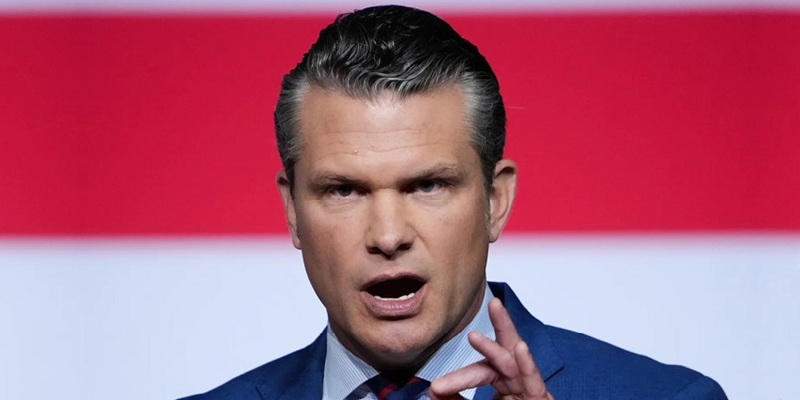
TDHighlights of the Iran war based on the statement of Secretary of War Pete Hegseth and the information gathered by This Dawn on Friday, March 13, 2026:
US Escalation
- The United States announced that today would mark the heaviest day of bombing in Iran since the war began, signaling a dramatic intensification of the campaign.
- Secretary of War Pete Hegseth reinforced this by declaring it the most intense day of strikes yet, underscoring Washington’s determination to cripple Iran’s military infrastructure.
- President Trump claimed that US-Israeli joint strikes had destroyed 90% of Iran’s missile arsenal, a bold assertion meant to project dominance and weaken Tehran’s deterrence.
- In conversations with allies, Trump told G7 leaders that Iran was “about to surrender,” while dismissing UK Prime Minister Keir Starmer’s offer of assistance, reflecting his confidence and unilateral approach.
- The Pentagon revealed staggering costs: $5.6 billion in munitions expended in just two days of fighting.
- Reports from the Financial Times suggested the US had already burned through “years” worth of critical munitions in only two weeks, raising concerns about sustainability of the campaign.
Iran’s Response
- Iran countered by declaring it was carrying out its strongest attack on Israel since the war began, showing its capacity to retaliate despite heavy bombardment.
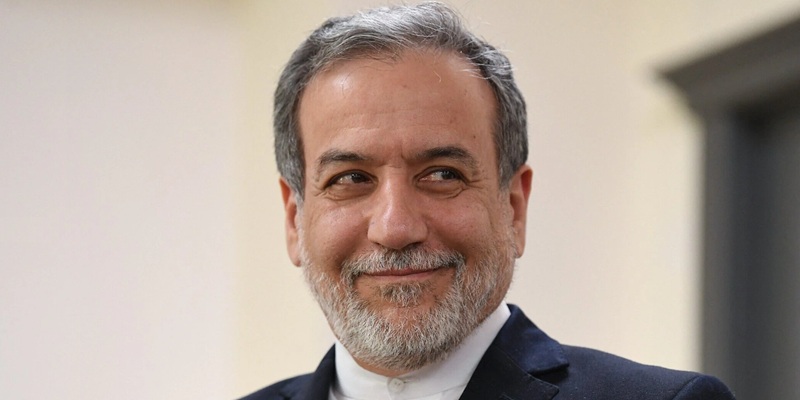
- Senior figures such as Ali Larijani and Abbas Araghchi appeared publicly at Quds Day rallies in Tehran, defying the strikes and signaling resilience.
- In a dramatic moment, Iran’s judiciary chief continued speaking mid-interview as US-Israeli bombs struck nearby, reinforcing the message that “the people of this country are not afraid.”
- Iran cracked down internally, arresting a person for selling internet access via a SpaceX Starlink terminal, highlighting its sensitivity to outside influence during wartime.
- Tehran claimed responsibility for striking a US oil tanker in the Strait of Hormuz, escalating maritime tensions.
- Footage later emerged showing an Iranian “suicide boat” ramming a US-owned tanker in the Persian Gulf, a tactic reminiscent of asymmetric warfare strategies.
- Iran’s leadership declared defiantly: “You cannot start a war and then demand a ceasefire whenever you want.” Its armed forces vowed to teach the enemy “a lesson they will never forget.”
🌍 International Reactions
- China pledged $200,000 in aid to families of students killed in a missile strike on a school in Iran, a symbolic gesture of solidarity.
- India expressed grief over the deaths of children in US bombings, calling for stronger protection of civilians and emphasizing humanitarian concerns.
- German Chancellor Friedrich Merz warned that the war was having a “major impact” on Europe, particularly through energy disruptions, and urged a swift end.
- Iran’s Foreign Minister Abbas Araghchi appealed to international organizations to condemn the war, framing it as unjust aggression.
- Calls emerged for BRICS nations to step in and help stabilize the situation, reflecting a shift toward multipolar diplomacy.
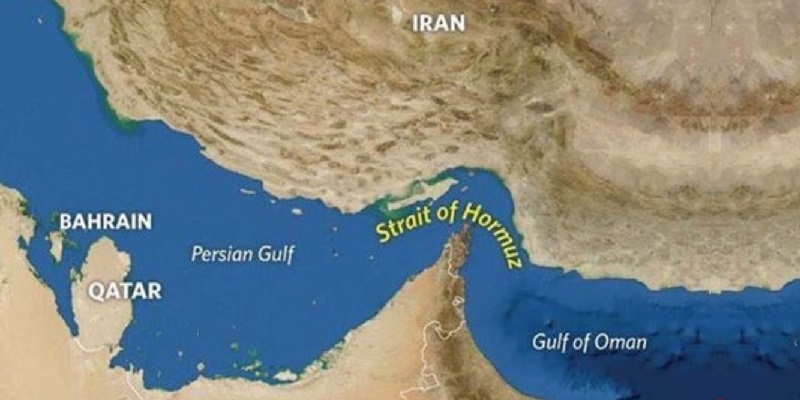
⚓ Strait of Hormuz & Oil
- The US announced it would not escort ships through the Strait of Hormuz until Iran’s threat level decreased, leaving global shipping vulnerable.
- A Turkish-owned vessel successfully cleared the Strait after receiving Iran’s permission, showing Tehran’s control over maritime passage.
- The International Energy Agency declared the war had caused the largest oil market disruption in history, with ripple effects across global economies.
- An oil tanker was reported burning after being hit in the ship-to-ship transfer zone at Khor al-Zubair port near Basra, Iraq, further destabilizing regional trade routes.
⚛️ Strategic Developments
- US intelligence assessed that Iran had moved its remaining uranium stockpile to “Pickaxe Mountain,” a deeply buried and nearly impenetrable bunker, complicating any attempt at neutralization.
- Iran’s military vowed to continue resistance, promising to deliver a lesson to the enemy that would “never be forgotten,” signaling a long-term fight rather than imminent surrender.