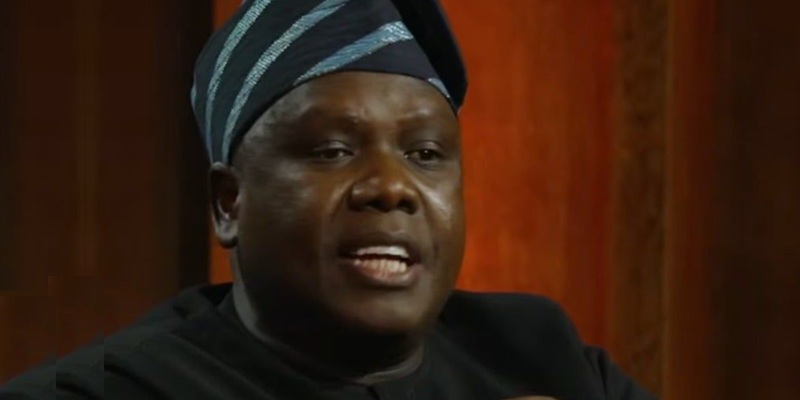
TDDaniel Bwala has publicly accused Al Jazeera of selectively editing his Head to Head interview with Mehdi Hasan.

Bwala claimed that nearly 20 minutes were cut from the original recording and that a condensed 8‑minute version further misrepresented his statements.
He insists the edits fueled online backlash and has demanded a public apology, warning of possible legal action in England if Al Jazeera does not comply.
Key Facts About the Controversy
-
Interview details
- Recorded: February 11, 2026
- Original length: ~1 hour 20 minutes
- Broadcast version: 49 minutes
- Condensed version: 8 minutes
-
Bwala’s claims
- Editing removed important context.
- The shortened versions highlighted controversial segments, fueling criticism.
- He insists he answered all questions and did not deny issues raised.
-
Al Jazeera’s position (as reported by Bwala)
- Initially promised to air the full interview.
- Later cited breaking news involving Israel, Iran, and the U.S. as the reason for not broadcasting the full version.
-
Public reaction
- Clips circulated widely on social media.
- Many Nigerians described Bwala’s responses as “embarrassing.”
- Bwala argues this perception was shaped by selective editing.
-
Next steps
- Bwala has formally written to Al Jazeera demanding a public apology.
- He warned that failure to comply could lead to a court case in England.
- He insists the unedited version must be released to restore context.
Risks & Implications
- For Bwala:
- His credibility as Tinubu’s spokesperson is under scrutiny due to viral clips.
- Legal action could prolong media attention and potentially backfire if Al Jazeera defends its editorial choices.
- For Al Jazeera:
- Accusations of bias and misrepresentation could affect its reputation in Nigeria.
- A court case in England would test its editorial standards and transparency.
- For the public:
- Without the full interview, viewers may only see a partial narrative.
- Release of the unedited version could clarify whether criticism was justified or exaggerated.
Bottom Line
Daniel Bwala’s accusations are confirmed by multiple Nigerian media outlets.
He maintained that Al Jazeera’s edits distorted his interview, sparking backlash.
The matter is unresolved, with Bwala pressing for an apology and threatening legal action if the full interview is not released.