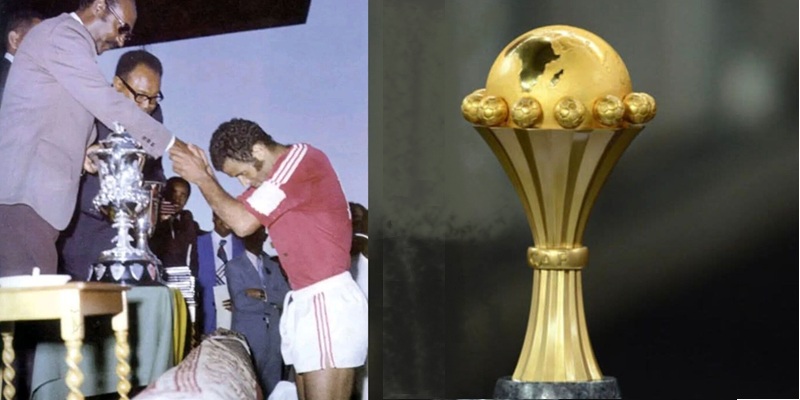
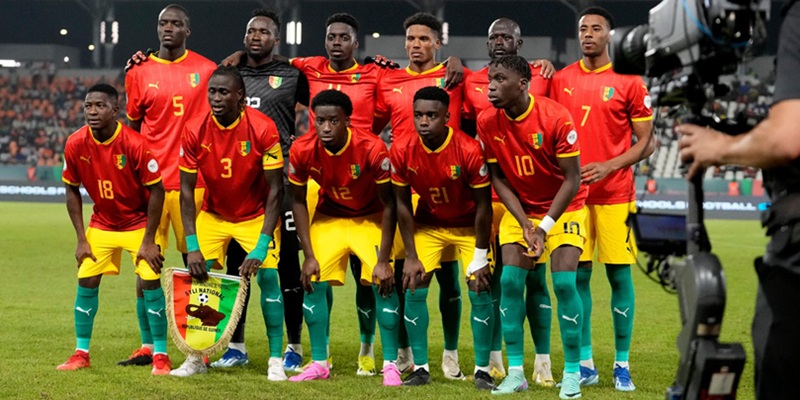
TDThe Guinean Football Federation has formally called on the Confederation of African Football to review the outcome of the 1976 Africa Cup of Nations (AFCON).

Guinea cited what it describes as inconsistencies in disciplinary decisions following the recent 2025 tournament controversy.
Fallout from 2025 AFCON Decision
The request follows CAF’s decision to overturn the 2025 AFCON result.
CAF stripped Senegal of the title after a walkout incident despite their on-field victory.
The football ruling body subsequently awarded the championship to Morocco nearly two months later.
The ruling has sparked widespread debate across African football, with critics questioning the precedent it sets for handling match disruptions.
Guinea Cites 1976 Incident
In its submission, Guinea pointed to a similar episode during the 1976 AFCON, which was decided through a final-round mini-league involving four teams.
During the decisive clash between Guinea and Morocco Guinea took the lead in the 33rd minute through Chérif Souleymane.
Moroccan players reportedly walked off the pitch briefly in protest over a refereeing decision.
They later returned, and the match continued.
Morocco eventually equalised through Ahmed Makrouh in the 86th minute, ending the match 1–1.
How Morocco Won the 1976 Title
The draw was sufficient to secure the title for Morocco, who finished the mini-league with five points, ahead of Guinea in second place.
Guinea, however, now argues that the brief walkout should be reassessed under the same disciplinary framework applied in the 2025 AFCON ruling.
Call for Consistency in CAF Decisions
The Guinean federation maintains that CAF must ensure consistency in how it applies its rules across different periods.
According to the federation:
-
Similar incidents should attract similar disciplinary outcomes
-
Historical matches should not be exempt from review where precedent is established
-
The integrity of African football depends on uniform application of regulations
Implications for African Football History
If CAF agrees to review the 1976 result, it could have far-reaching implications for the historical records of African football competitions.
Sports analysts warn that revisiting past tournaments may open the door to multiple claims from other nations seeking retrospective justice.
As of the time of filing this report, CAF has not issued an official response to Guinea’s request.
However, the development adds another layer of controversy to the already disputed 2025 AFCON decision.
It further intensifies scrutiny of governance and disciplinary standards within African football.
Growing Debate Over Governance
The latest move underscores growing calls for transparency and consistency in CAF’s decision-making processes, particularly in high-stakes competitions such as the Africa Cup of Nations.
Observers say the coming weeks could prove pivotal in determining whether CAF maintains its current stance or reopens historical cases under renewed legal and sporting pressure.