
Nigeria is grappling with the ripple effects of a sharp spike in global crude oil prices, as the hashtag #globaloilprice trends across social media and dominates national headlines.
The surge stems from the escalating Israel–US–Iran war, which intensified in late February 2026 and disrupted one of the world’s most critical energy arteries — the Strait of Hormuz.
Why the Global Surge?
The Strait of Hormuz carries nearly 20% of global oil supply.
Iran’s threats of closure and tighter control have triggered fears of severe shortages.
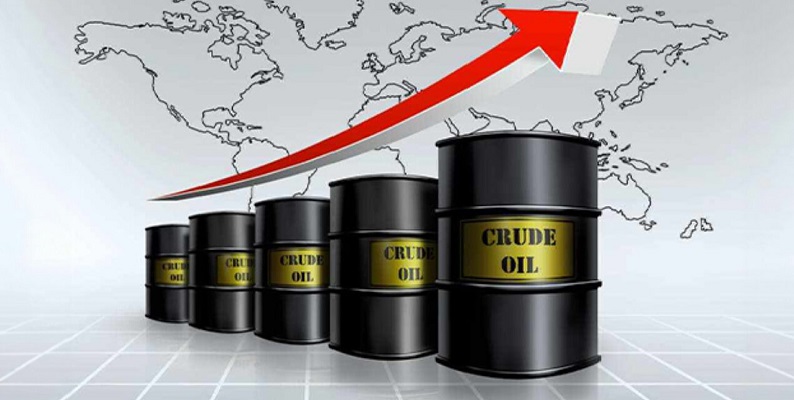
Brent crude, the global benchmark, has skyrocketed from around $65–70 per barrel earlier in 2026 to over $100–120 in March — a staggering 40–45% increase in just weeks.
Analysts describe this as one of the most significant supply shocks in recent history, with ripple effects felt worldwide.
Nigeria’s Oil Paradox
Nigeria, Africa’s largest crude exporter, should theoretically benefit from higher oil prices through increased export revenues.
Yet the paradox remains: the country imports much of its refined petroleum. Even with the Dangote Refinery operational, local pump prices remain tied to global crude costs.
- Petrol prices have surged from about ₦760/litre to between ₦1,300–₦1,500/litre.
- Transport fares have jumped by more than 50%, squeezing household budgets.
- Food and goods prices are rising, sparking fears of renewed inflation after recent disinflation efforts.
The Petroleum Products Retail Outlets Owners Association (PETROAN) has warned of further hikes if global prices continue climbing.
Mixed Impact for Nigeria
- Positive side: Higher crude prices boost Nigeria’s export earnings and could strengthen government revenues, especially since the national budget is benchmarked at a conservative $65/barrel.
- Negative side: Ordinary Nigerians face mounting costs. Structural challenges — including lower-than-expected oil production (around 1.3–1.5 million barrels/day), reliance on imports, and exchange rate pressures — limit the benefits of the oil windfall.
Even the Dangote Refinery has raised prices, citing global market realities. This underscores how deeply international shocks penetrate Nigeria’s domestic economy.
The Bigger Picture
The conflict has turned a global energy crisis into a daily reality for Nigerians at the pump.
On X (formerly Twitter), #globaloilprice is trending as citizens vent frustrations over rising costs.
Economists warn that unless Nigeria resolves its structural dependence on imports, the country will remain vulnerable to external shocks despite being a major oil producer.
In short, Nigeria’s “oil paradox” is on full display: exporting crude while importing pain.
As the Middle East conflict evolves, the situation remains fluid — with both opportunities and risks for Africa’s largest economy.