
TDThe biblical narrative presents a sweeping history of Israel and Judah, from the rise of the Davidic dynasty to the traumatic Babylonian exile.

While the scriptures are a primary source, archaeological findings and extrabiblical records provide a tangible historical framework, allowing scholars to distinguish between theology, tradition, and verifiable history.
The Davidic Dynasty: David and Solomon
The historicity of King David and King Solomon has been debated, but several lines of evidence support their existence as rulers of a united kingdom in Judah and Israel:
-
Tel Dan Stele (9th century BCE)
Discovered in northern Israel, this basalt stele contains an Aramaic inscription referring to the “House of David”.
Although it does not detail David’s life, it confirms the existence of a dynasty named after him, indicating a historical foundation for his reign.
-
Archaeological Evidence
Excavations at sites like Khirbet Qeiyafa and the City of David reveal fortified settlements, administrative structures, and monumental stonework dating to the 10th century BCE.
These findings suggest the presence of a centralized polity capable of organizing construction projects, consistent with the biblical depiction of Davidic authority.
-
Solomon’s Building Projects
While no inscriptions explicitly name Solomon, architectural remains at Megiddo, Hazor, and Gezer—including massive city gates and palatial structures—match the biblical description of Solomonic construction.
These sites suggest a kingdom with sufficient administrative capacity and labor organization.
-
Egyptian Records
The campaign of Pharaoh Shishak (Shoshenq I) c. 925 BCE, recorded in Karnak, confirms that Judah and Israel were politically and economically significant, consistent with the biblical narrative of Solomon’s wealth and tribute collection.
The Divided Monarchy and the Davidic Succession
Following Solomon, the kingdom split into Israel in the north and Judah in the south. Archaeology and extrabiblical texts continue to provide insights:
- Tel Dan Stele (again) and the Mesha Stele (Moabite Stone) contextualize Judah and Israel as recognized political entities in the 9th century BCE.
- Excavations in Judah show fortifications, urban centers, and inscriptions corresponding to the period of the divided monarchy, supporting the continuity of the Davidic dynasty in Judah even after Israel’s separation.
The Babylonian Conquest and Exile
The historical trajectory of the Davidic line concludes, temporarily, with the Babylonian conquest of Judah:
-
Babylonian Chronicles (BM 21946)
Cuneiform tablets record Nebuchadnezzar II’s military campaigns, including the siege of Jerusalem in 597 BCE, the capture of King Jehoiachin, and the appointment of Zedekiah as vassal king.
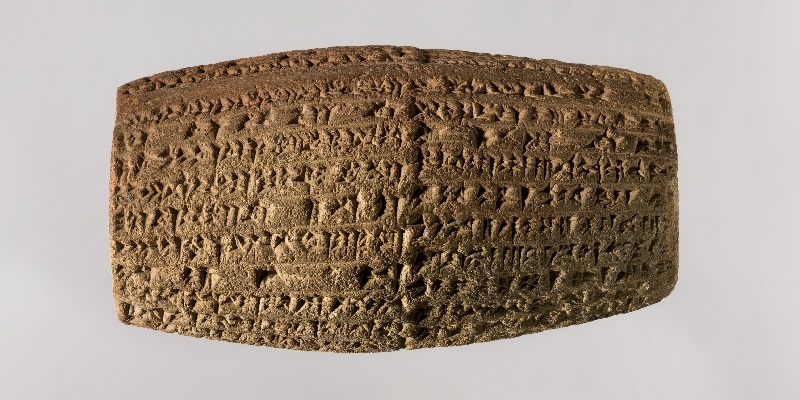
These records independently corroborate the biblical account of Judah’s subjugation.
-
Jehoiachin Ration Tablets
Administrative tablets discovered in Babylon confirm that Jehoiachin and his sons were provided daily rations, demonstrating the treatment of exiled Judean royalty under Babylonian authority.
-
Archaeological Evidence in Judah
- Jerusalem: Burn layers, collapsed walls, and charred debris dated to 586 BCE confirm the city’s destruction.
- Lachish: Siege ramps, arrowheads, and burnt structures attest to Babylonian military campaigns prior to Jerusalem’s fall.
- Other cities, including Azekah and Tell en-Nasbeh, show similar destruction layers, confirming widespread devastation consistent with biblical descriptions.
Jews in Exile
- Administrative cuneiform tablets record settlements of Judean deportees in Babylonian provinces, showing integration into the empire’s social and economic structures.
- Biblical texts (Daniel, Ezekiel, Jeremiah) describe Judeans serving in royal administration, studying scripture, and maintaining religious identity, confirming a vibrant community in exile.
Conclusion
- the Davidic dynasty,
- its political and economic influence, and,
- its ultimate subjugation and exile under Babylon.
- the existence of a Davidic line,
- the centralized administration of Judah,
- the urban and monumental infrastructure attributed to Solomon, and the historical reality of the Babylonian conquest.
Together, these sources create a coherent historical picture bridging biblical tradition and empirical evidence.