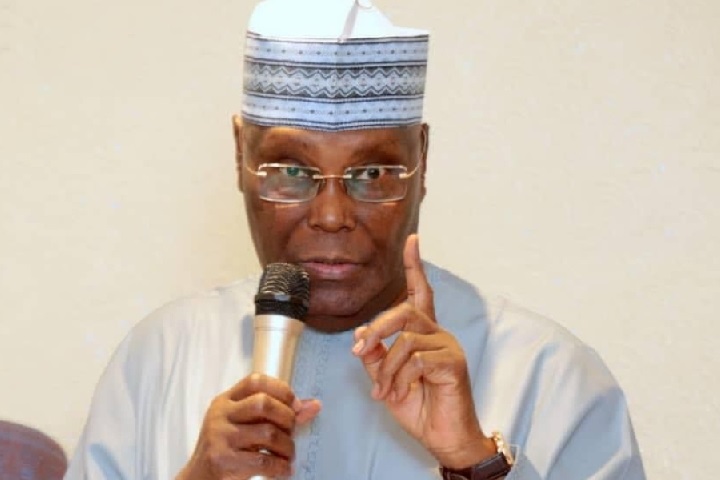
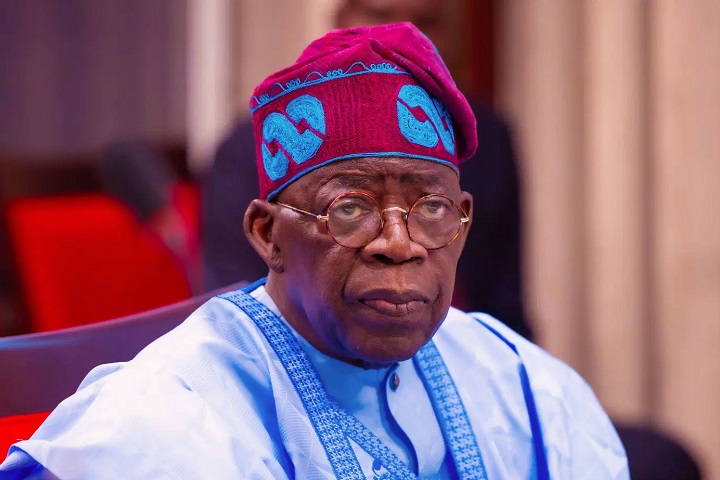
THIS DAWN — Nigeria’s political landscape was shaken today as former Vice President Atiku Abubakar issued a blistering press release accusing President Bola Tinubu’s administration of committing “an act of treason against the Nigerian people” through the alleged forgery of recently passed tax reform legislation.

The statement charges that unauthorized alterations were made to the tax bills after their passage by the National Assembly.
If confirmed, it undermines constitutional democracy, eroding legislative supremacy.
Allegations of Treason and Constitutional Breach
Atiku’s release asserts that the executive branch illegally inserted provisions into the tax reform law in violation of Sections 4 and 58 of the 1999 Constitution, which vest lawmaking powers solely in the National Assembly.
He described the move as a “draconian overreach” that reveals a government more interested in extracting wealth from struggling citizens than empowering them to prosper.
The accusations highlight a fundamental constitutional principle: what the National Assembly did not pass cannot become law.
By allegedly circumventing this safeguard, critics argue, the administration risks plunging Nigeria into arbitrary rule where democratic protections are rendered meaningless.
Unconstitutional Alterations — A Treason
The press release outlines three categories of changes allegedly made without legislative consent:
- New Coercive Powers: Tax authorities were reportedly granted arrest powers, property seizure rights, and the ability to conduct enforcement sales without judicial oversight.
These provisions, critics warn, transform tax collectors into quasi-law enforcement agencies.
It also strips Nigerians of due process protections deliberately included by parliament.
- Increased Financial Burdens: Citizens challenging tax assessments would now face:
- a mandatory 20% security deposit before appeals,
- compounded interest on debts, and,
- quarterly reporting requirements with lowered thresholds.
Petroleum operators would also be forced to compute operations in U.S. dollars.
Analysts say these measures erect financial barriers that prevent ordinary Nigerians from contesting unjust assessments.
It will also raise compliance costs for businesses already struggling in a fragile economy.
- Removal of Accountability Mechanisms: Oversight provisions requiring quarterly and annual reporting to the National Assembly were allegedly deleted.
Strategic planning submissions and ministerial supervisory roles were also removed.
This insulates the government from scrutiny and expanding executive powers unchecked.
A Government Against Its People
Atiku’s statement paints a grim picture of the broader implications.
Nigeria’s poverty rate remains alarmingly high, unemployment devastates families, and inflation erodes purchasing power daily.
The government is accused of pursuing “aggressive extraction” from citizens who have little left to survive.
Rather, it should invest in infrastructure, education, healthcare, and empowerment initiatives that would organically expand the tax base.
“True economic growth comes from empowering citizens, not impoverishing them further through punitive taxation and erosion of legal protections,” the release declared.
A thriving economy, it argued, requires vision, investment, and patience—qualities allegedly lacking in an administration that resorts to constitutional manipulation to achieve short‑term fiscal goals.
The press release issued a six‑point demand aimed at reversing the alleged constitutional breach:
- Executive Suspension: Immediate suspension of the tax law’s implementation, scheduled for January 1, 2026, pending investigation.
- Legislative Rectification: The National Assembly must rectify the illegal alterations and hold accountable those responsible.
- Judicial Intervention: Courts should strike down the unconstitutional provisions and reaffirm the sanctity of the legislative process.
- Civil Society Mobilization: Nigerians are urged to reject the assault on democratic principles and demand governance that serves rather than exploits the people.
- Policy Redirection: The government should abandon extraction and oppression, focusing instead on policies that enable citizens and businesses to thrive.
- EFCC Investigation: The anti‑corruption agency should immediately investigate and prosecute those culpable in the alleged forgery.
Political Implications of Treason
The allegations come at a sensitive time for Tinubu’s administration, which has faced mounting criticism over economic management and governance style.
While supporters argue that tax reforms are necessary to boost revenue, opponents insist that bypassing constitutional safeguards undermines democracy itself.
Analysts predict that the controversy will intensify debates in parliament, the judiciary, and civil society in the weeks ahead.
The accusations of treason—rarely leveled in Nigerian politics—raise the stakes considerably.
It frames the dispute not merely as a policy disagreement but as a fundamental challenge to Nigeria’s democratic order.
Atiku Abubakar’s press release frames the alleged forgery of Tinubu’s tax reform law as a direct assault on Nigeria’s constitutional democracy and the welfare of its citizens.
By stripping away oversight, imposing financial barriers, and granting coercive powers to tax authorities, the government is accused of betraying its people.
“The Nigerian people deserve better than a government that circumvents democracy to impose hardship,” the statement concluded.
“We demand accountability, constitutional compliance, and economic policies that build prosperity rather than deepen poverty.”
Currently, Nigeria braces for the implementation of the contested tax law in January.
The coming weeks will determine whether the executive, legislature, judiciary, and civil society can resolve the crisis.
Or, whether the allegations of treason will mark a deeper fracture in the nation’s democratic fabric.
Watch Hon. Dasuki’s Tax Law revelation that resulted in constitutional earthquake below: