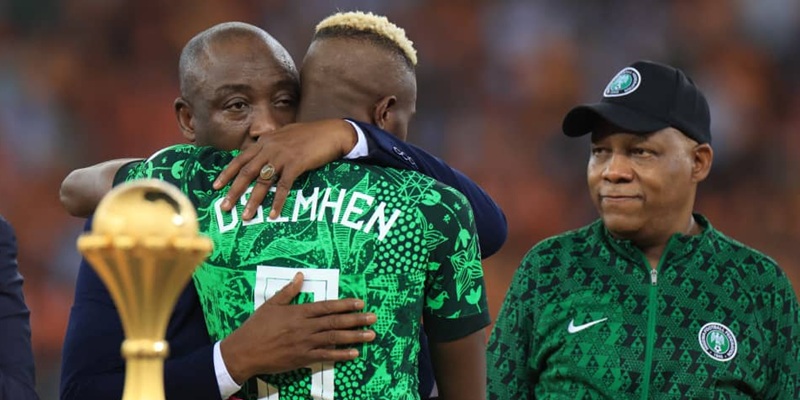
TDFIFA has dismissed Nigeria’s protest against Congo, citing technical lapses rather than the merits of the case.

The ruling has sparked outrage among Nigerian football fans, who believe the country’s World Cup hopes were undermined not by lack of merit but by administrative negligence.
Why FIFA Rejected Nigeria’s Case
- Unpaid protest fee: The mandatory fee of 1,000 Swiss francs, required to accompany such submissions, was not paid to FIFA.
- Late filing: Nigeria’s protest was submitted on November 28 for a match played on November 16, falling well outside FIFA’s allowable protest window.
Because of these lapses, FIFA’s judicial bodies did not formally process the case.
The matter was closed without examining the substance of Nigeria’s complaint.
Fallout in Nigeria
Observers describe the dismissal as another loss from sheer carelessness and unnecessary procrastination, not a defeat based on the strength of the protest itself.
Calls have grown for accountability within the Nigerian Football Federation (NFF), with many insisting that someone should be held responsible for the administrative missteps.
Fans and commentators have expressed frustration, emphasizing that Nigeria lost on technicality, not merit.
The episode has reignited debates about governance and professionalism in Nigerian football administration.
CAF’s Decision on Morocco vs Senegal
In a related development, the Confederation of African Football (CAF) has issued a landmark ruling in the Morocco versus Senegal dispute.
CAF’s Appeal Board nullified Senegal’s win and awarded the result to Morocco, citing irregularities that compromised the integrity of the match.
This decision underscores CAF’s willingness to intervene decisively when fairness is at stake.
Unlike FIFA’s rejection of Nigeria’s case on procedural grounds, CAF’s ruling demonstrates a readiness to act substantively when evidence of wrongdoing is established.
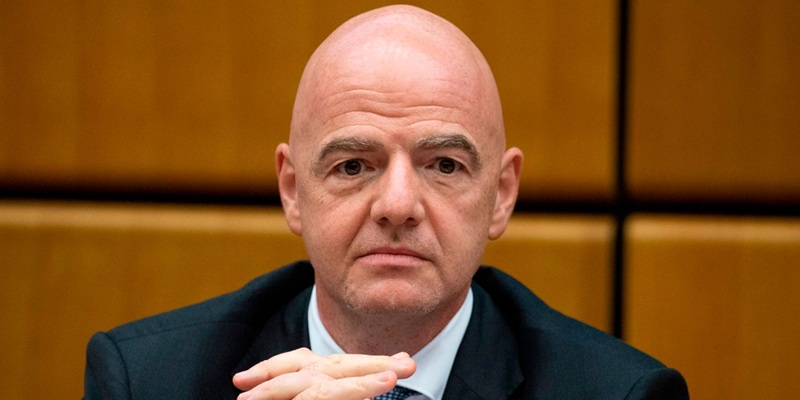
Contrasting Approaches
The contrasting outcomes highlight the different philosophies of football’s governing bodies:
- FIFA: rigidly procedural, unwilling to entertain cases that fail to meet strict administrative requirements.
- CAF: more flexible, prepared to overturn results when fairness and integrity are compromised.
For Nigeria, the episode is a sobering reminder of the importance of administrative diligence in international football. For Morocco, CAF’s ruling represents vindication and a significant shift in tournament standings.
Nigeria’s petition against Congo was thrown out by FIFA due to unpaid fees and late filing, leaving fans bitterly disappointed.
Meanwhile, CAF’s ruling in favor of Morocco against Senegal shows that continental football authorities are willing to act decisively when fairness is at stake.
The twin developments raise pressing questions about governance, accountability, and the balance between procedural rigor and substantive justice in world football.