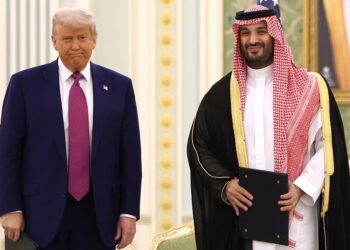
TDSocial media posts claim that Saudi Arabia and the United Arab Emirates (UAE) have formally declared war on Iran.

However, investigation carried out by This Dawn News shows that it is false.
Available evidence shows that both Gulf states have taken significant steps that align them more closely with the ongoing US-Israel campaign against Tehran.
However, neither has issued an official declaration of war.
What Is Actually Happening
- Saudi Arabia: Riyadh has granted the US military access to King Fahd Air Base in Taif, reversing earlier policy that barred operations against Iran from Saudi soil.
- United Arab Emirates: The UAE has shut down all Iranian-run institutions in Dubai, including schools, hospitals, and cultural centers.
Its air defense systems have also intercepted multiple projectiles launched from Iran, confirming active defensive engagement.
These moves signal growing alignment with US and Israeli operations, but they remain short of a formal declaration of war.
The US and Israel are already conducting strikes against Iran.
Saudi and UAE actions suggest they are preparing for deeper involvement, but so far, their role is limited to defensive measures and logistical support.
Official declarations of war are rare and would be announced through government statements or major international outlets.
None have been issued.
What Has NOT Happened
- ❌ No official declaration of war by Saudi Arabia or the UAE.
- ❌ Neither country has publicly announced joining the US/IDF air campaign.
- ❌ Claims of “WAR!” circulating online are exaggerated or misleading.
Social media often amplifies rumors before confirmation.
In this case, exaggerated claims of war declarations risk inflaming tensions and spreading panic.
Analysts stress the importance of relying on official government statements and credible international reporting.
Saudi Arabia and the UAE are moving closer to active involvement in the Iran conflict by granting base access and intercepting attacks, but they have not declared war.
The situation is escalating, but claims of a formal declaration remain false or premature.
In short, Riyadh and Abu Dhabi are tightening their stance against Iran but talk of outright war declarations is misinformation.
The conflict is intensifying, yet diplomacy and caution still frame their official positions.
Iran Threatens Pakistan Over Attack from Its Airspace
Tensions between Iran and Pakistan have escalated dramatically after Tehran accused Islamabad of allowing its land and airspace to be used in an attack on Iran’s Konarak port.
Iranian officials have issued direct threats, warning that Pakistan could face severe military and economic retaliation.
Iranian authorities declared:
“We repeatedly warned Pakistan not to allow its land and airspace to be used against us, but Pakistan did exactly that.
“Now it should wait for our response, we do not forgive traitors.”
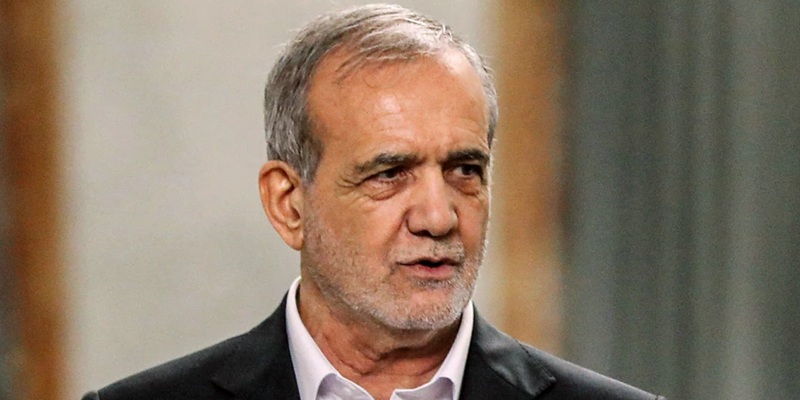
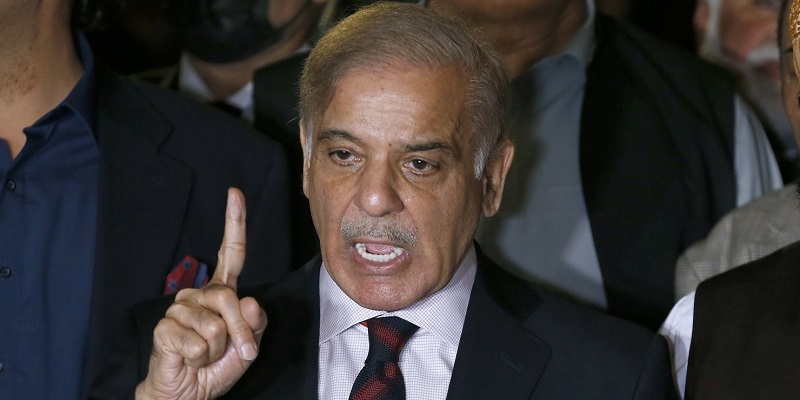
Iranian president, Dr. Masoud Pezeshkian, delivered a stern warning to Prime Minister Shehbaz Sharif:
“If any attack on Iran is launched from any base in Pakistan, it will be considered a legitimate target for us.
“We will put Pakistan in the most severe military and economic situation.”
The Alleged Attack
Tehran claims that an assault was carried out from Pakistan’s airspace targeting Konarak port, a strategic facility in southeastern Iran.
Iranian officials argue this proves Pakistan’s complicity in operations against Iran, despite repeated warnings to avoid involvement.
The regional implications are:
- Military Escalation: Iran’s threats to bomb Pakistan mark a dangerous new phase in regional hostilities.
It raises fears of direct confrontation between two neighboring states.
- Economic Fallout: Both countries face fragile economies.
Any military exchange could destabilize trade routes and energy supplies across South Asia.
- Geopolitical Risks: Analysts warn that foreign powers may exploit the crisis.
That may deepen instability in a region already strained by conflicts involving Iran, the US, and Gulf states.
Pakistan’s Position
Islamabad has not yet issued a formal response to Tehran’s accusations.
Observers note that Pakistan’s delicate balancing act between regional alliances and domestic security could be severely tested if Iran follows through on its threats.
The international community is watching closely.
Any escalation between Iran and Pakistan could destabilize South Asia, disrupt energy markets, and complicate ongoing conflicts in the Middle East.
Calls for restraint are expected from major powers, though Iran’s rhetoric suggests it is prepared to act unilaterally.
Iran’s declaration that it will bomb Pakistan if attacks continue from its territory marks a dramatic escalation in regional tensions.
With accusations of betrayal and threats of severe retaliation, the crisis underscores the fragility of peace in South Asia and the potential for conflict to spill across borders.
Tehran has drawn a red line if Pakistan’s territory is used against Iran again.
Iranian leaders say they will strike — a warning that could reshape the security landscape of the region.
And if Saudi Arabia and the UAE join the fight according to permutations, then the world may witness a more catastrophic development.