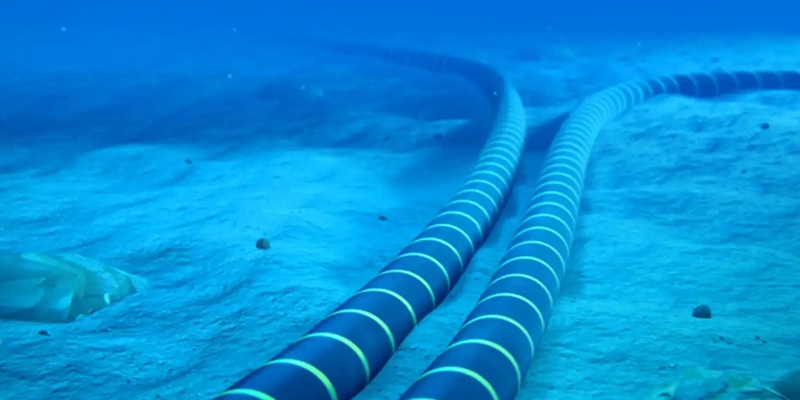
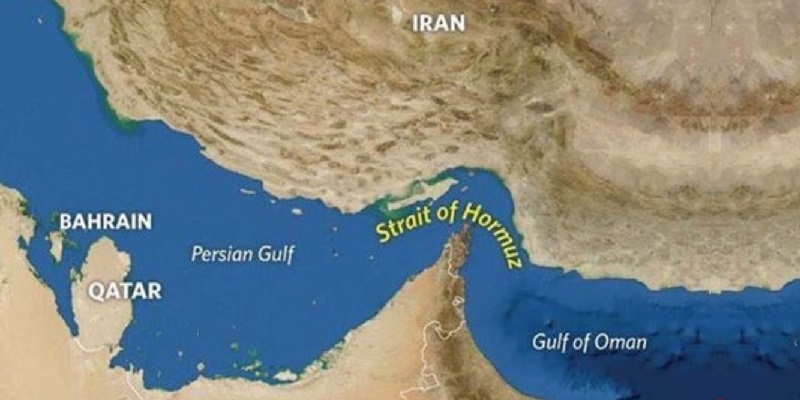
TDReports say that Iran has threatened to attack undersea internet cables in the Strait of Hormuz and the Red Sea.

However, such reports remain largely unverified.
Experts warn that any disruption to these critical routes—carrying up to 95–97% of global data—could severely impact communications, financial systems, and global markets.
What Has Been Reported
- India Today and Times of India reported that amid the ongoing U.S.-Israel conflict with Iran, Tehran has allegedly threatened to target subsea cables in the Strait of Hormuz and the Red Sea.
These cables are vital for global internet traffic and financial transactions.
- National Herald noted that these claims are circulating widely on social media.
It, however, stressed that no official confirmation has come from Iranian authorities or major intelligence agencies.
Why It Matters
- Global Connectivity: Undersea fibre-optic cables in the Strait of Hormuz and Bab el-Mandeb (Red Sea) form critical digital corridors linking Asia, Europe, and the Middle East.
- Potential Impact: Damage could disrupt internet services, financial transactions, and cloud infrastructure worldwide.
Experts warn that outages could ripple across stock markets, oil trading, and banking systems.
- Strategic Risk: These choke points are already central to global energy flows.
Adding digital infrastructure to the mix makes them doubly strategic.
Current Status
- Unverified Threats: While media outlets have reported Iran’s alleged threats, there is no official evidence that Iran has concrete plans or capabilities to cut these cables.
- Precautionary Measures: Companies involved in subsea cable projects, such as Meta’s 2Africa initiative, have already paused work in the Gulf region due to security concerns.
- Expert Consensus: Analysts agree that even limited damage to cables could cause regional blackouts and global slowdowns, though redundancy in the global cable network may mitigate total collapse.
Risks and Considerations
- Markets: Oil, LNG, and fertilizer prices could spike if communications and logistics are disrupted.
- Military Dimension: Control of these choke points could give Iran leverage in negotiations, but also risks escalating conflict.
- Civilian Impact: Beyond finance, ordinary internet users across Africa, Asia, and Europe could face outages or degraded service.
Fact Check Summary
- True: Reports of threats have been widely circulated in media.
- Unverified: No official Iranian statement or intelligence confirmation exists.
- Risk: Experts agree that undersea cables in Hormuz and the Red Sea are vulnerable and disruption would have severe global consequences.
Below is a clear risk impact table showing how disruption of undersea internet cables in the Strait of Hormuz and Red Sea could affect different sectors:
| Sector | Potential Impact |
|---|---|
| Global Finance | Severe disruption to international banking transactions, SWIFT payments, and stock market trading. Could trigger volatility in currency exchange and commodity markets. |
| Energy & Commodities | Oil and LNG trading platforms could face outages, delaying contracts and shipments. Fertilizer and helium supply chains may be destabilized. |
| Communications | Internet outages across Africa, Asia, and Europe. Cloud services, social media, and video conferencing could be degraded or inaccessible. |
| Defense & Security | Military communications reliant on secure data links could be compromised. Intelligence sharing among allies may be slowed, affecting operational readiness. |
| Trade & Logistics | Shipping schedules, customs clearance, and supply chain management systems could be disrupted, leading to delays and higher costs. |
| Civilian Life | Everyday internet use—banking apps, e-commerce, streaming, and messaging—would be interrupted, causing widespread frustration and economic loss. |
Key Takeaways
- 95–97% of global data flows through undersea cables, making them critical infrastructure.
- Even limited damage could cause regional blackouts and ripple effects worldwide.
- Redundancy exists in the global cable network, but choke points like Hormuz and Bab el-Mandeb are uniquely vulnerable.
- Unverified threat: Iran has not officially confirmed such intentions, but experts warn the risk is real given the strategic leverage these cables provide.
This scenario underscores how modern conflicts extend beyond traditional battlefields into digital infrastructure.