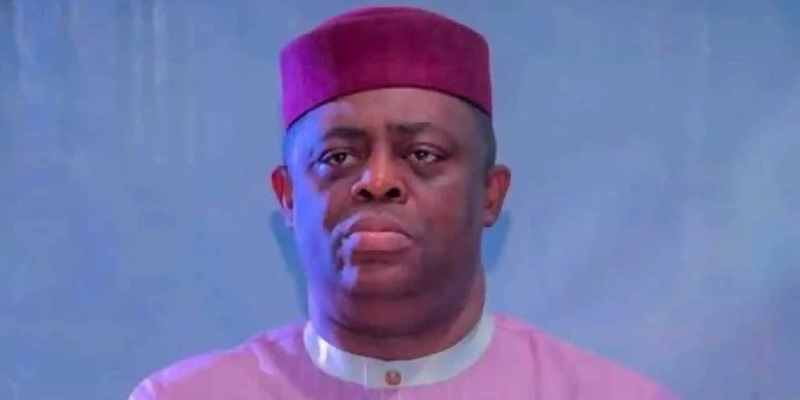
TDGermany has not officially rejected Femi Fani-Kayode’s ambassadorial appointment.

According to reports, Germany has formally rejected President Bola Tinubu’s nomination of Femi Fani-Kayode as Nigeria’s ambassador.
The report cited concerns over his history of inflammatory ethnic and religious comments as well as his past conduct and alleged bigotry.
However, what has happened is that diaspora groups and critics have publicly urged German authorities to reject his nomination.
However, as of late March 2026, he remains Nigeria’s ambassador-designate to Germany, having already reacted with gratitude to the posting.
Key Facts
- Appointment: President Bola Tinubu approved Femi Fani-Kayode’s posting to Germany in early March 2026.
- Reactions:
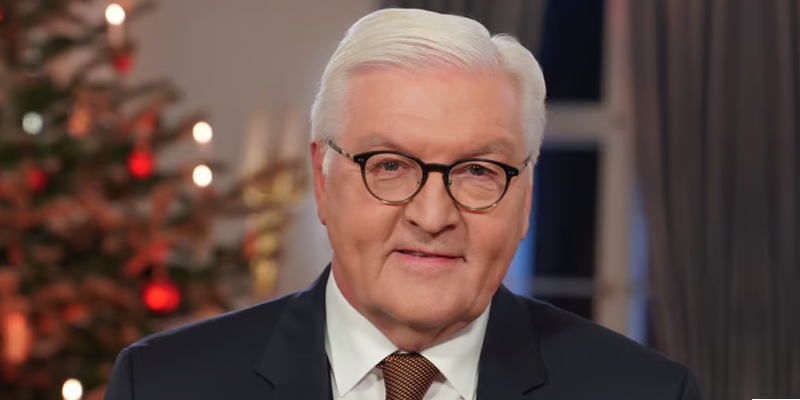
- Diaspora opposition: The Global Coalition for Security & Democracy in Nigeria (GCSDN) wrote to German President Frank-Walter Steinmeier, urging rejection.
They called Fani-Kayode a “misfit” and alleging his appointment was politically motivated.
-
- Criticism from Dele Momodu: The Nigerian journalist and politician described Fani-Kayode as “cantankerous” and questioned Tinubu’s judgment in appointing him.
- Fani-Kayode’s response: He publicly expressed humility and gratitude, thanking Tinubu and describing the posting as an honor.
Clarification on the Claim
- Claim circulating: “Germany rejects Fani-Kayode’s appointment.”
- Reality: This is misleading. Germany has not issued any official rejection.
The opposition comes from Nigerian diaspora groups and commentators, not from the German government.
Context and Implications
- Political undertones: Critics argue the appointment rewards Fani-Kayode for his role in Nigeria’s 2023 elections, rather than being based on diplomatic merit.
- Diplomatic process: Ambassadorial postings are subject to host country approval (agrément). If Germany were to reject, it would be formally communicated, but no such rejection has been reported.
- Public perception: The controversy highlights divisions in Nigerian politics and diaspora activism.
It also highlights concerns about professionalism and reputation in diplomatic representation.
Risks and Considerations
- Diplomatic strain: If Germany were to act on diaspora petitions, it could embarrass Nigeria diplomatically.
- Domestic backlash: Continued criticism may weaken Fani-Kayode’s credibility as ambassador, even if Germany accepts him.
- Media framing: Headlines suggesting outright rejection exaggerate the situation.
Fact-checking shows only calls for rejection, not an official decision.
Bottom line:
Fani-Kayode is still Nigeria’s ambassador-designate to Germany.
Reports of Germany rejecting him are false or premature; they stem from diaspora petitions and public criticism, not from any official German government action.
Readers are urged to stay with This Dawn News to track whether Germany eventually issues an agrément decision on his posting.
Stay tuned…