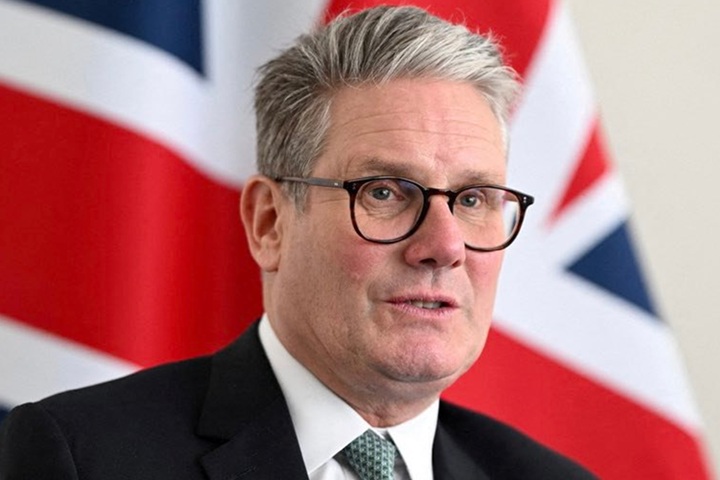
THIS DAWN — Prime Minister Keir Starmer has announced that the United Kingdom is in the final stages of preparing a landmark plan to transfer £100 billion worth of frozen Russian assets to Ukraine, marking one of the most consequential financial moves since Russia’s full-scale invasion in 2022.

Speaking during a briefing at Downing Street, Starmer said his government is “working around the clock with international partners” to finalize the legal and diplomatic framework that would allow the redirection of Russian sovereign and oligarch-linked funds seized under UK and allied sanctions regimes.
“We are close to completing the mechanism that will ensure these frozen assets are repurposed for Ukraine’s reconstruction and defense,” Starmer said. “Russia must pay for the devastation it has caused. The Ukrainian people deserve justice, security, and the full support of the democratic world.”
A Potential Turning Point in Global Sanctions Policy
If implemented, the UK’s move would set a major precedent in international law, potentially paving the way for the EU, United States, Canada, and Japan to adopt similar measures. Western countries collectively hold more than $300 billion in frozen Russian central bank reserves, with the UK controlling a significant share through its financial institutions.
Starmer emphasized that the plan is being designed to withstand legal scrutiny, noting that the government is consulting with the G7, NATO allies, and international financial bodies to “ensure compliance with global norms while holding aggressors accountable.”
Ukraine Welcomes the Announcement
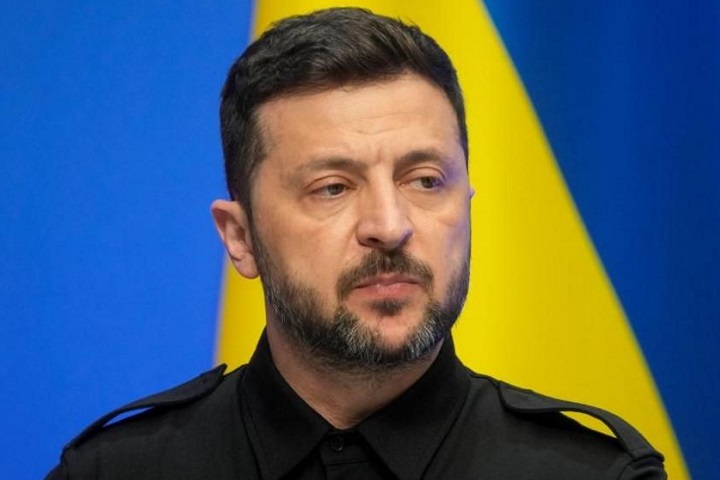
Ukrainian President Volodymyr Zelenskyy praised Starmer’s statement, calling it “a historic step toward justice.” Kyiv has repeatedly urged Western allies to redirect frozen Russian funds to support its war-time economy, rebuild critical infrastructure, and bolster defense capabilities.
Moscow Condemns Move as ‘Theft’
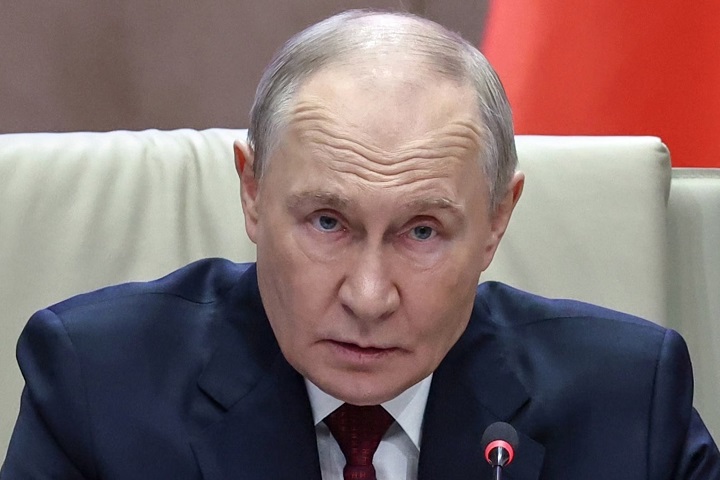
The Kremlin reacted sharply, labeling the proposal “financial piracy” and warning of “severe consequences” for UK-Russia relations. Russian officials insisted that any attempt to transfer frozen assets would constitute a violation of international law and could trigger retaliatory measures.
What Comes Next
While Starmer did not give a precise timeline, he said the plan would be unveiled “very soon.” Analysts expect coordinated announcements from G7 capitals in the coming weeks.
If executed, the policy would dramatically reshape the economic front of the Russia-Ukraine war — and potentially redefine how frozen assets are treated in future global conflicts.