

Freshly released FBI files have shed new light on the long-running controversy surrounding Jeffrey Epstein.
In its latest update, FBI revealed that investigators concluded he was not operating a sex trafficking ring on behalf of powerful men.
This finding directly challenges years of speculation and conspiracy theories that suggested Epstein’s crimes were part of a broader network involving global elites.
Key Findings from the Files
- No Evidence of Elite Conspiracy:
The FBI determined that Epstein engaged in criminal sexual exploitation.
However, it stated that there was no proof he was running a trafficking operation serving influential figures.
- Focus on Epstein’s Personal Crimes:
Investigators emphasized that Epstein’s offenses were centered on his own conduct, not a coordinated ring benefiting others.
- Public Speculation vs. Official Record:
The files highlight a stark gap between widespread public belief.
It had been widely held that Epstein’s network implicated politicians, business leaders, and celebrities, and the FBI’s official findings.
Background
Epstein, a financier with extensive social connections, was arrested in 2019 on sex trafficking charges.
He died later that year in a New York jail while awaiting trial, a death ruled a suicide but surrounded by controversy.
For years, Epstein’s ties to prominent figures—including politicians, royalty, and celebrities—fueled speculation that his crimes were part of a larger conspiracy.
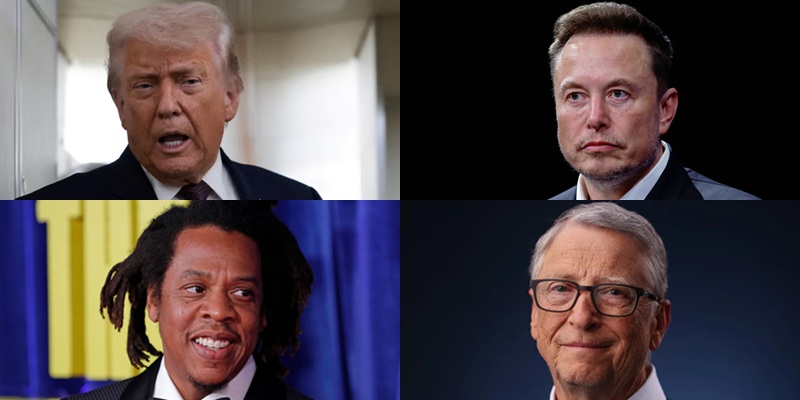
Allegations that he maintained a trafficking ring for elites became central to public discourse, amplified by media reports, documentaries, and online debates.
The FBI’s conclusion, however, reframes the narrative.
Epstein’s crimes were extensive and devastating, but investigators found no evidence they were orchestrated to serve powerful men.
Implications
For Victims: Survivors continue to demand accountability, stressing that Epstein’s network enabled abuse regardless of whether elites were directly implicated.
Many argue that the absence of proof of a trafficking ring does not erase the systemic failures that allowed Epstein to operate for years.
For Public Trust: The findings may deepen skepticism about transparency in high-profile investigations.
Critics argue that unanswered questions remain, particularly regarding Epstein’s connections and the role of associates who may have facilitated his crimes.
For Legal Proceedings: The files could influence ongoing civil suits and efforts to pursue Epstein’s associates.
While narrowing the scope of potential charges, they leave open the possibility of individual accountability for those who aided or enabled him.
Wider Context
The FBI’s recantation comes amid a broader reckoning with how institutions handle cases involving wealth, power, and sexual exploitation.
Epstein’s case has become emblematic of systemic failures in law enforcement, the justice system, and elite circles that allowed abuse to persist unchecked.
Observers note that while the FBI’s findings may close one chapter of speculation, they are unlikely to quell public debate.
The enduring mystery of Epstein’s connections was combined with the secrecy surrounding many aspects of the case.
This ensures that questions about accountability and transparency will continue to dominate discourse.
The FBI’s files mark a significant development in the Epstein saga.
It challenges narratives that framed his crimes as part of a trafficking ring for elites.
While the findings clarify aspects of the investigation, they leave unresolved the broader issues of how Epstein operated for so long.
It also threw up questions of who enabled him and why accountability has been so elusive.