TDIn most functioning democracies, when the system falters, opposition leaders step forward.

They mobilise, organise, and place themselves squarely at the forefront of resistance. They speak loudly, march visibly, and risk something tangible.
In Nigeria, however, a strange and troubling inversion persists: the people protest while their supposed leaders watch from a distance—tweeting, issuing vague statements, or maintaining a studied silence.
One is compelled to ask: who is fooling who?
Across the country, Nigerians are groaning under the weight of economic hardship, policy incoherence, and a deepening sense of institutional decay under the Tinubu administration.
Inflation bites, wages stagnate, livelihoods crumble, and hope thins by the day.
Yet when protests erupt, when anger spills onto the streets, the faces at the barricades are not those of the political class that claims to offer an alternative.
Instead, it is the ordinary citizen—hungry, exhausted, and exposed—who bears the risk.
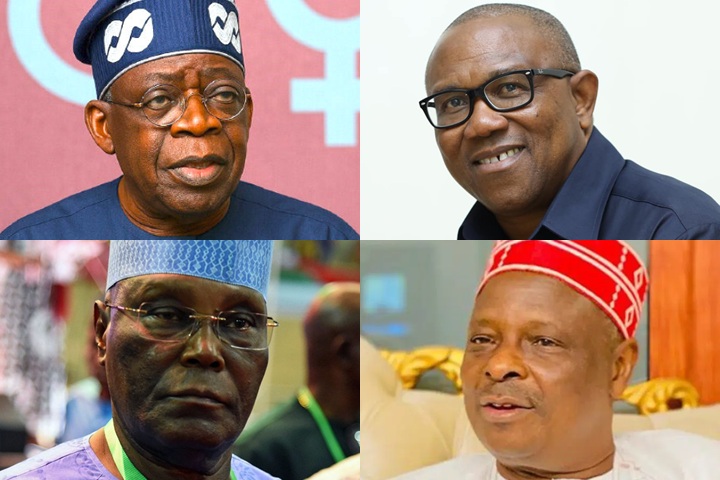
Meanwhile, the leaders of the so-called opposition coalition—Peter Obi, Atiku Abubakar, Rotimi Amaechi, Rauf Aregbesola, Nasir El-Rufai, and others—remain conspicuously absent from the front lines.
No coordinated mass action. No sustained nationwide mobilisation.
And no personal sacrifice commensurate with the suffering of the people they seek to lead.
This raises uncomfortable questions. Are these opposition figures genuinely committed to change, or are they merely controlled opposition—content to posture without confronting power?
Are they waiting for Nigerians, already pushed to the brink of survival, to do the hard work of resistance on their behalf?
The expectation seems perverse. Citizens are asked to endure bad governance, organise protests, demand electoral reform, vote under hostile conditions, defend their votes against institutional sabotage—and then politely hand over power to politicians who remained in “ineffectual mode” throughout the struggle.
All while those politicians observe from safe, comfortable distances.
This brand of politics is not just ineffective; it is irresponsible.
Leadership, by definition, requires presence. It demands visibility, courage, and a willingness to stand where the people stand.
When opposition leaders outsource resistance entirely to the masses, they weaken democratic accountability and normalise elite detachment.
Worse still, this timidity emboldens the ruling party. A fragmented, passive opposition is precisely why a disastrous administration can confidently contemplate a second term. Power is rarely challenged by hashtags alone.
Nigeria does not suffer from a lack of angry citizens; it suffers from a surplus of hesitant leaders.
Enough is enough!
The opposition must decide—quickly—whether it intends to lead or merely commentate.
If they truly believe the country is on the wrong path, then they must organise, mobilise, and put their own political capital on the line.
If not, they should stop pretending that tweets and press statements constitute resistance.
The Nigerian people have done enough. It is time for those who seek Aso Rock to earn the journey.
Wake up!