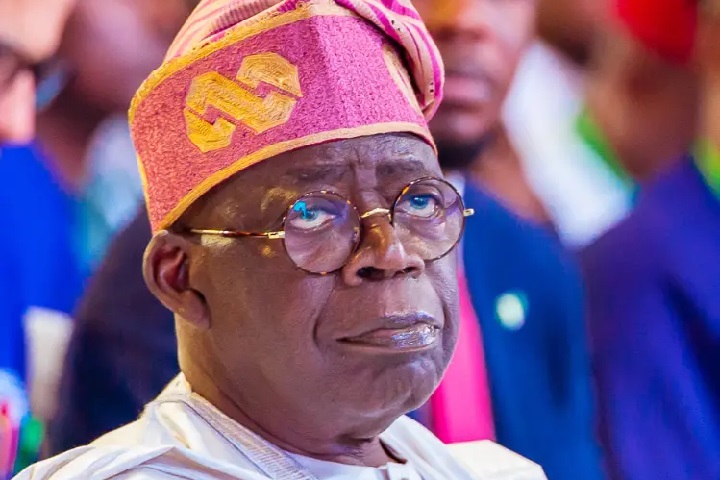
THIS DAWN — Policy analyst and columnist Ifeanyi Izeze, has accused the President Bola Tinubu administration of rebranding subsidy spending in the guise of “energy security” and “protecting pipelines”.

The President Tinubu administration is facing renewed scrutiny following allegations that the Nigerian National Petroleum Company Limited (NNPCL) spent a combined ₦17.5 trillion in 2024 on items described as “energy security,” “under-recovery,” and “pipeline protection”.
The claims came despite the government’s insistence that fuel subsidies have been fully removed.
The controversy was reignited after the Media Office of former Vice President Atiku Abubakar accused the administration of orchestrating what it called “one of the most brazen financial scandals” in Nigeria’s petroleum sector.
Although initial reactions dismissed the claim as political rhetoric, analysts say newly disclosed figures have amplified public concern.
According to the NNPCL financials referenced by critics, the company recorded ₦7.13 trillion in 2024 as “energy-security costs to keep petrol prices stable,” and another ₦8.67 trillion labelled as “under-recovery.”
The combined ₦17.5 trillion, they argue, rivals the total amount Nigeria allegedly spent on fuel subsidies over a 12-year period prior to Tinubu’s tenure.
Subsidy removed in 2023
The federal government had maintained that subsidy was eliminated in May 2023, pointing to petrol prices that rose sharply to over ₦1,300 per litre in several parts of the country.
However, opponents contend that the new expenditure categories amount to a rebranding of subsidy spending.
Izeze, in a widely circulated commentary, argued that the terminology represents “new nomenclatures deployed to disguise the fact that subsidy never ended; it simply mutated.”
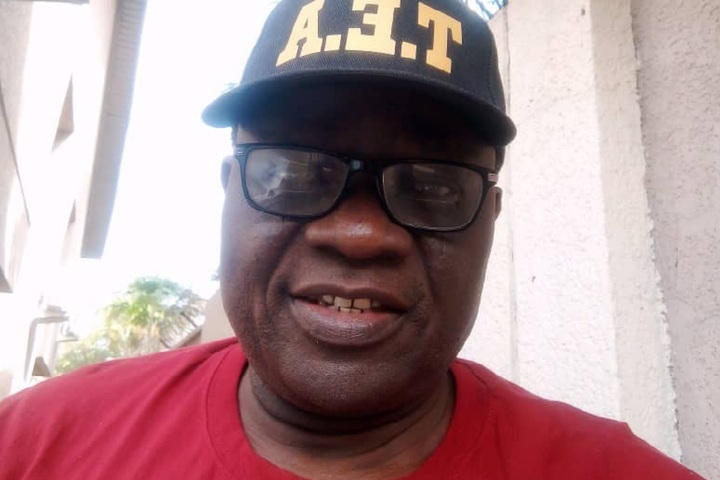
According to him, the NNPCL’s description shows that “energy security” costs are derived from the difference between the exchange rate used in computing ex-coastal petrol prices and the rate applied at import settlement.
The deductions, he noted, reduce remittances to the Federation Account.
Available data cited from the Nigeria Extractive Industries Transparency Initiative (NEITI) indicates that Nigeria’s previous highest annual subsidy expenditure between 2005 and 2022 was ₦3.36 trillion in 2022.
The ₦7.1 trillion recorded under “energy security” in 2024 would therefore represent the highest subsidy-linked outlay in two decades.
Critics question why subsidy-related costs appear to have expanded dramatically after the government declared subsidy removal.
“State capture”
Izeze characterised the trend as “state capture,” alleging that the opaque expenditure stream benefits “faceless cartels” rather than the Nigerian public.
He argued that the funds spent in 2024 could have been redirected to power sector reforms, refinery rehabilitation, or healthcare investment.
The allegations have raised broader concerns over transparency in petroleum sector spending.
Observers are asking who the beneficiaries of the multi-trillion-naira contracts are.
They also query why energy-cost allocations reportedly rose by nearly 39 percent in one year, and what mechanisms exist to validate the expenditure.
Questions have also been raised over why pipeline security contracts appear to be consuming amounts larger than historical nationwide fuel subsidy bills.
‘Spending billions on securing pipelines’
Nigeria has for years spent billions of naira annually on securing pipelines, often through private contractors, but the magnitude of the latest figures has drawn heightened scrutiny.
Civil society groups and some economic analysts say parliament must demand full disclosure from the NNPCL.
They warn that in a period marked by rising inflation, high energy costs, currency depreciation, and widespread hardship, the government must avoid actions that could undermine public trust.
In his commentary, Izeze called for the federal government to “publish the list of companies and beneficiaries, disclose contract details, commission an independent forensic audit, and suspend further payments pending review.”
He framed the issue as one that “goes beyond politics” and touches on governance integrity and public accountability.
As of the time of filing this report, the Presidency and NNPCL had not issued fresh statements responding to the latest criticisms.
The government has in the past defended its fiscal measures as necessary to stabilise the economy following the removal of longstanding fuel subsidies.
The controversy is expected to feature prominently in upcoming parliamentary sessions and public policy debates.
In the meantime, Nigerians seek clarity on the true cost of fuel pricing reforms and the government’s expenditure priorities.