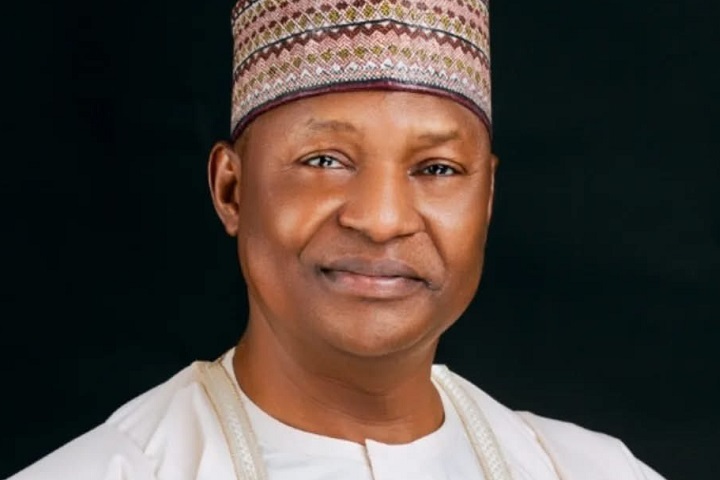
THIS DAWN — The Economic and Financial Crimes Commission (EFCC) has released a comprehensive list of properties allegedly acquired by Abubakar Malami, SAN, during his tenure as former Attorney-General of the Federation (AGF), valued at a staggering N212.8 billion.

The assets, spanning Kebbi State, Kano State, and the Federal Capital Territory (FCT), include universities, hotels, schools, factories, residential buildings, and commercial enterprises.
The EFCC’s valuation divides the properties into three major clusters:
-
Kebbi State: N162.2 billion
-
Kano State: N16 billion
-
FCT (Abuja): N34.6 billion
This distribution places Kebbi, Malami’s home state, at the center of the alleged acquisitions, accounting for over 76% of the total valuation.
Kebbi State Properties
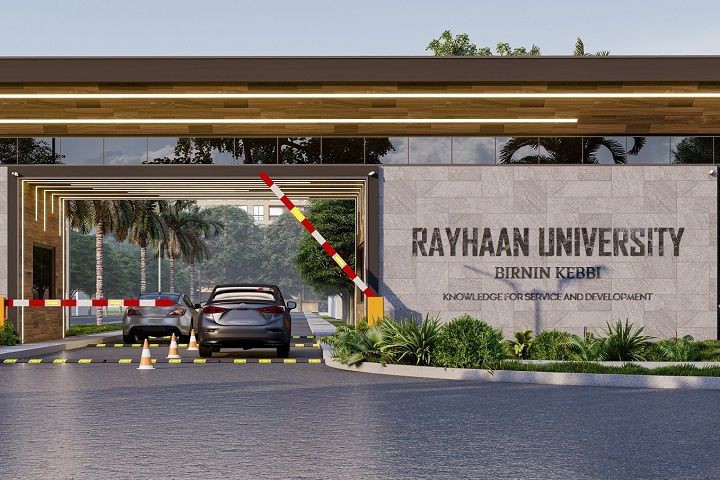
The largest concentration of assets is in Kebbi, where the EFCC lists sprawling educational institutions, factories, and branded properties under the Rayhaan and Azbir names.
Valued at N162.2 billion, the highlights include:
- Rayhaan University Permanent Site: N56 billion
- Rayhaan University Temporary Site: N37.8 billion
- Rayhaan Model Academy: N11.2 billion
- Rayhaan Primary & Secondary School: N8.75 billion
- Factory Machines and Plants Units: N10.5 billion
- Azbir Hotel: N10.3 billion
Other notable assets include a printing press, oil and gas structures, residential houses linked to Malami and his family, and foundation buildings.
The EFCC also listed Rayhaan Radio valued at N78.7 million and multiple mosques built within the property clusters.
Kano State Properties
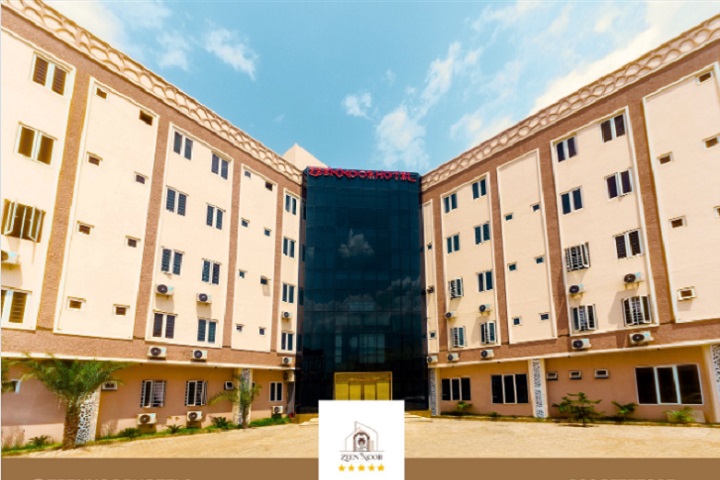
In Kano, the EFCC identified high-value hospitality and residential assets worth about N16 billion, as follows:
- Zeen Noor Hotel: N11.2 billion
- Rayhaan Hotel Kano: N2.24 billion
- Rayhaan Gym Kano: N1.22 billion
- Wife’s House (Ahmadu Bello Way): N982.8 million
The list also includes a mosque and older hotel structures, suggesting a mix of new and legacy investments.
Abuja Properties
In the Federal Capital Territory, the EFCC highlighted luxury real estate and hotels valued at about N34.6 Billion, viz:
- Duplex at Amazon Street, Maitama: N5.95 billion
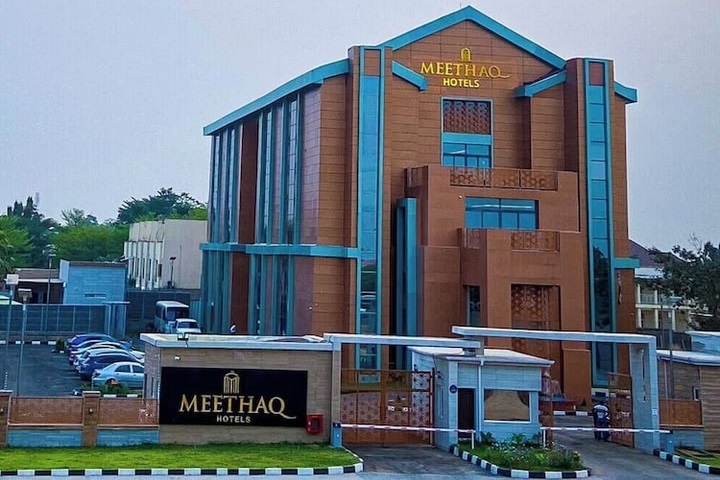
- Meethaq Hotel (Maitama Branch): N12.95 billion
- Meethaq Hotel (Jabi Branch): N8.4 billion
- Harmonia Hotels, Area 11 Garki: N7 billion
- 42 Units of Bungalows at Efab Estate: N385 million
These properties underscore the expansion of Malami’s alleged portfolio into Nigeria’s capital, with investments in prime hospitality and residential sectors.
Breakdown of Valuation
| Location | Value (₦) | % of Total |
|---|---|---|
| Kebbi State | 162,195,950,000 | 76% |
| Kano State | 16,011,800,000 | 7.5% |
| FCT (Abuja) | 34,685,000,000 | 16.5% |
| Grand Total | 212,892,750,000 | 100% |
Context and Implications
Malami served as Nigeria’s Attorney-General and Minister of Justice from 2015 to 2023, a period marked by sweeping anti-corruption campaigns under the Buhari administration. The EFCC’s disclosure raises questions about the integrity of Nigeria’s justice system, given the scale of acquisitions attributed to the country’s chief law officer.
The properties span critical sectors—education, hospitality, energy, and manufacturing—suggesting a diversified investment strategy. However, the EFCC’s valuation has sparked public debate about whether such acquisitions were funded legitimately or represent proceeds of corruption.
The revelations have ignited discussions across political and civic spaces. Critics argue that the scale of the acquisitions undermines public trust in Nigeria’s justice institutions, while others call for due process to establish ownership and legality.
Civil society groups are expected to demand transparency in the EFCC’s investigation, while political observers note that the case could set a precedent for accountability among high-ranking officials.
What Next?
The EFCC’s report is likely to trigger:
- Legal proceedings to determine ownership and legitimacy of the assets.
- Public scrutiny of Malami’s tenure and financial dealings.
- Policy debates on strengthening asset declaration and monitoring mechanisms for public officials.
The EFCC’s release of properties valued at N212.8 billion linked to former AGF Malami represents one of the most significant asset disclosures in Nigeria’s recent history. With assets spread across Kebbi, Kano, and Abuja, the revelations highlight both the scale of wealth accumulation by public officials and the challenges facing Nigeria’s anti-corruption institutions.
As investigations unfold, the case will test Nigeria’s resolve to enforce accountability at the highest levels of government.