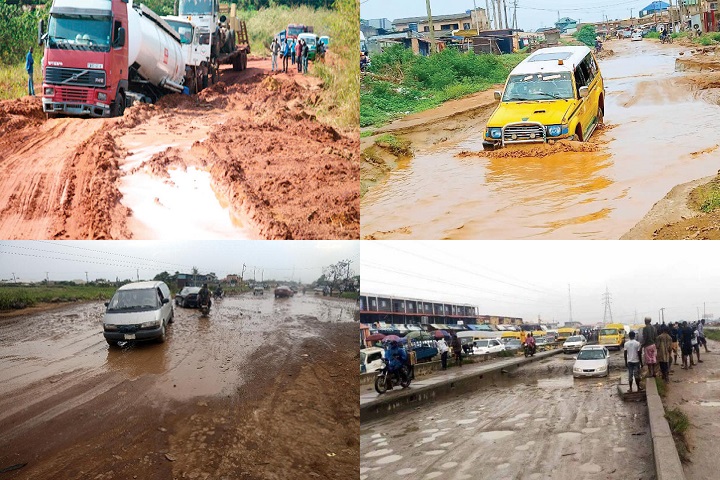
THIS DAWN — Few symbols capture Nigeria’s failure of governance more vividly than its abandoned roads projects.

Across the country, highways that should connect communities, stimulate commerce, and save lives have instead become monuments to corruption, incompetence, and neglect.
For decades, successive administrations have announced ambitious road projects, awarded contracts, and even released funds.
However, the projects languish half-built, riddled with potholes, or completely abandoned.
Nigerians continue to count their losses, while leaders move on to new promises.
Abandoned Roads: A Litany of Broken Promises
The story is not new.
Many of the contracts awarded during the administration of former President Olusegun Obasanjo between 1999 and 2007 remain incomplete to this day.
Contractors collected their share, politicians took their cut, and the funds disappeared. The roads, however, remain undone.
This pattern has repeated itself under subsequent governments, each leaving behind a trail of half-finished projects.
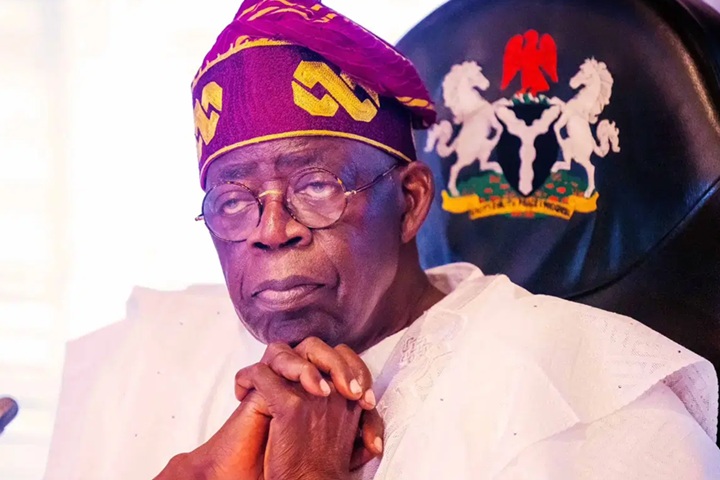
Rather than prioritizing completion of these long-neglected roads, President Bola Ahmed Tinubu has chosen to embark on a new Lagos–Calabar coastal highway.
While the ambition is laudable, the decision raises questions:
“Why start a fresh road when the nation is littered with abandoned roads that have already consumed billions of naira?”
The Human Cost of Abandoned Roads
Behind these statistics lies human suffering. Bad roads kill. They cause accidents, delay ambulances, and destroy vehicles.
Farmers cannot transport produce to markets, leading to waste and higher food prices.
Businesses lose billions in logistics costs. Communities remain isolated, stunting development.
For ordinary Nigerians, abandoned roads are not abstract policy failures—they are daily realities of hardship, danger, and lost opportunities.
Corruption and Mismanagement
The root cause is corruption. Governments often award road contracts not on merit but on political patronage.
They release funds, but contractors vanish or deliver shoddy work. Oversight is weak, accountability nonexistent.
Leaders announce new roads projects for political gain, collect kickbacks, and move on.
The result is a vicious cycle: new projects are launched while old ones rot.
The East–West Road, for example, has consumed billions since its inception, yet remains incomplete after 20 years.
The Benin–Auchi–Abuja Road has been under construction for six decades. These are not mere delays; they are evidence of systemic rot.
The Politics of New Projects
Tinubu’s decision to prioritize the Lagos–Calabar coastal highway exemplifies Nigeria’s political culture.
Leaders prefer flashy new projects that can be branded as their legacy, rather than completing old ones that expose past failures.
Yet this approach perpetuates roads abandonment.
Nigerians are left with a patchwork of half-built roads, while funds are diverted to new ventures.
Nigeria cannot continue this way. Abandoned roads are not just infrastructure failures; they are betrayals of public trust.
Citizens must demand accountability. Lawmakers should summon contractors and ministers to explain delays.
Anti-corruption agencies must investigate the diversion of funds. Civil society must keep the spotlight on such roads projects.
Most importantly, government must adopt a “finish before you start” policy.
No new road project should be launched until existing ones are completed.
This principle would force leaders to confront the backlog of abandoned roads and prioritize continuity over political vanity.
Lessons from Other Nations
Other countries have faced similar challenges but found solutions.
In Rwanda, infrastructure projects are closely monitored, with strict timelines and penalties for delays.
In Ghana, public–private partnerships have accelerated road construction.
Nigeria can learn from these examples by strengthening oversight, enforcing contracts, and embracing transparency.
To break the cycle of abandonment, Nigeria must:
- Audit all ongoing road projects: Publish timelines, budgets, and contractors.
- Enforce accountability: Penalize contractors who fail to deliver.
- Prioritize completion: Finish existing roads before launching new ones.
- Strengthen oversight: Empower agencies to monitor progress and report publicly.
- Engage communities: Citizens should track projects in their areas and report delays.
- Depoliticize infrastructure: Roads should serve national interest, not political branding.
Senator Shehu Sani’s Catalogue of Shameful Abandoned Roads
Senator Shehu Sani recently catalogued the staggering delays in Nigeria’s road construction.
His list, which saw several other abandoned major roads added, reads like a national indictment.
Nigeria’s Abandoned Roads: Regional Breakdown (Infographic Summary)
North
| Major Road | Years Abandoned/Delayed |
| Minna–Suleja Road | 15 years |
| Abuja–Lokoja Road | 18 years |
| Kano–Maiduguri Road | 20 years |
| Minna–Bida Road | 10 years |
| Jebba–Mokwa Road | 35 years |
| Kaduna–Ibadan Road | 35 years |
| Sarkin Pawa–Kaduna Road | 35 years |
| Kontagora–Makera Road | Unfinished |
| Gombe–Potiskum Road | 15 years |
| Jalingo–Numan Road | 10 years |
| Kano–Katsina Road | 10 years |
| Keffi–Abaji Road | 14 years |
| Katsina Ala–Ogoja Road | 50 years |
| Makurdi–Ankpa Road | 25 years |
| Ajaokuta Road | Unfinished |
Northern farmers and traders face enormous losses transporting produce.
Long delays on arterial roads like Abuja–Lokoja and Kano–Maiduguri cripple commerce and worsen insecurity.
South South
| Major Road | Years Abandoned/Delayed |
| East–West Road | 20 years |
| Port Harcourt–Enugu Road | 16 years |
| Benin–Auchi–Abuja Road | 60 years |
| Yandev–Egbema Road | 40 years |
The southwest, Nigeria’s commercial hub, suffers heavy traffic congestion and logistics costs.
In the South South, the East–West Road hampers oil transport and development.
South East
| Major Road | Years Abandoned/Delayed |
| Onitsha–Owerri Road | 20 years |
| Enugu–Onitsha Road | 20 years |
| Aba–Calabar Road | 35 years |
| Idah–Nsukka Road | Unfinished |
🛈 Southeastern traders, especially in Onitsha and Aba, face crippling transport delays. Roads linking Enugu, Owerri, and Port Harcourt remain hazardous, stifling regional commerce.
South West
| Major Road | Years Abandoned/Delayed |
| Ilorin–Ibadan Road | 24 years |
| Ibadan–Lagos Road | 23 years |
| Lagos–Ibadan Road | 20 years |
| Lagos–Abeokuta Road | 21 years |
| Oyo–Ogbomosho Road | 15 years |
| Ikorodu–Sagamu Road | 10+ years |
| Ikorodu–Ijebu Road | 10+ years |
| Ibadan–Abeokuta Road | Unfinished |
| Ibadan–Ilesha–Akure Expressway | Delayed |
These roads are vital national arteries.
Their abandonment isolates communities, raises transport costs, and undermines national integration.
Conclusion
Nigeria’s abandoned projects are more than potholes and delays; they are metaphors for a nation stuck in neutral.
They represent squandered resources, shattered trust, and needless suffering.
The catalogue of shame compiled by Senator Shehu Sani should haunt every leader who has presided over these failures.
If Nigeria is to move forward, it must confront this culture of abandonment head-on. Roads are lifelines.
They connect people, drive commerce, and symbolize progress. To leave them undone is to leave the nation stranded.
The time has come for Nigeria to finish what it started. No more endless roads to nowhere.
Editorial Note on Abandoned Roads
Across all regions, the pattern is the same: decades-long delays, inflated roads contracts, and corruption.
The human cost is immense—accidents, wasted produce, higher food prices, and stunted development.
The regional breakdown shows that no part of Nigeria is spared, but the north and south East appear worst-hit in terms of sheer duration and economic impact.
To move forward, Nigeria must prioritize completing existing projects, enforce accountability, and restore public trust in infrastructure development.
The abandoned roads list is not exhaustive.
The duration of others like Idah–Nsukka, Ibadan–Abeokuta, Ibadan–Ilesha–Akure Express, Kontagora–Makera, Ibadan–Ilesha, and Ajaokuta Road, which remain in similar states of abandonment, could not just be ascertained.