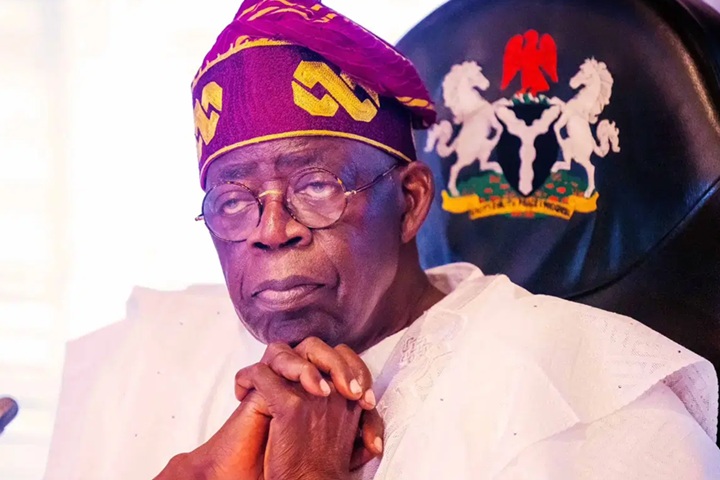
THIS DAWN — President Bola Tinubu’s administration has turned borrowing into an art form, one that threatens to paint Nigeria into a corner of perpetual debt servitude.

With the recent approval of multi-billion-dollar external loans and plans for yet more in the upcoming 2026 budget, the government’s insatiable appetite for debt is not just extravagant—it is reckless and unsustainable.
As of June 2025, Nigeria’s total public debt stood at a staggering N152.40 trillion, according to the Debt Management Office (DMO)—a figure that has ballooned under this administration amid persistent fiscal deficits and naira depreciation.
Yet, rather than reining in spending or aggressively boosting non-oil revenues, the government continues to pile on new obligations.
Borrowing Binge
The Senate’s approval earlier this year of a $21.5 billion external borrowing plan, ostensibly for infrastructure, was followed by projections of even heavier borrowing: N17.89 trillion earmarked for 2026 alone to plug a widening budget hole.
This is extravagance disguised as pragmatism. Debt service costs are already devouring the nation’s finances.
In the first seven months of 2025, debt servicing and personnel costs alone exceeded total federal revenue, forcing the government to borrow merely to pay old debts—a classic hallmark of a debt trap.
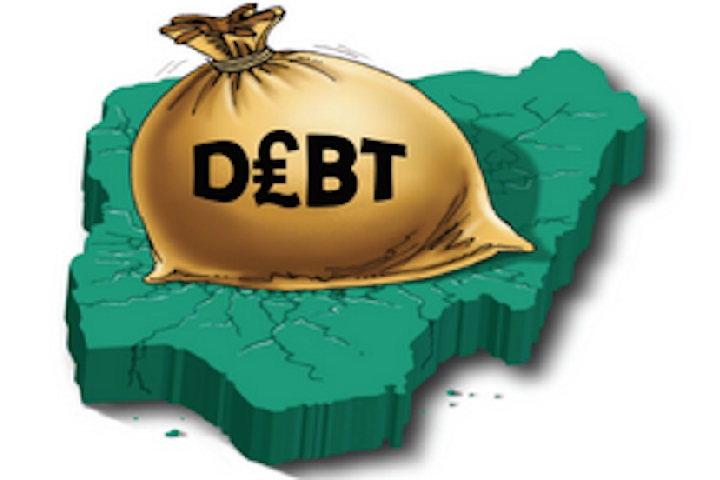
Independent analyses peg the debt-service-to-revenue ratio at over 100% in recent periods, contradicting optimistic claims from the presidency that it has fallen dramatically.
With the proposed 2026 budget allocating upwards of N15 trillion to debt servicing—nearly 30% of total expenditure—precious resources are being diverted from critical sectors like health, education, and security.
Proponents argue that these loans fund vital projects: roads, rails, and power infrastructure to spur growth. But where is the evidence of transformative impact?
Mega-projects like the Lagos-Calabar Coastal Highway proceed amid questions of cost transparency and prioritization, while everyday Nigerians grapple with soaring inflation, unemployment, and poverty.
Risks
Borrowing for “productive” investments is defensible only if it yields returns that outpace interest costs and boosts revenue.
Instead, oil dependency persists, revenue shortfalls widen, and much of the debt finances recurrent expenditure or opaque commitments.
The risks are glaring.
The IMF, in its 2025 Article IV consultation, acknowledges moderate debt sustainability but warns of vulnerabilities to oil price shocks, exchange rate volatility, and revenue underperformance.
Continued borrowing at this pace could erode fiscal buffers, crowd out private investment by hiking domestic interest rates, and leave future generations saddled with unsustainable obligations.
Nigeria cannot borrow its way to prosperity.
The Tinubu administration must pivot urgently: enforce fiscal discipline, broaden the tax base beyond rhetoric, curb waste and corruption, and prioritize revenue mobilization over endless debt accumulation.
Extravagant borrowing is not leadership—it is a betrayal of the Renewed Hope promised to Nigerians.
The time for restraint is now, before the debt burden becomes irreversible.