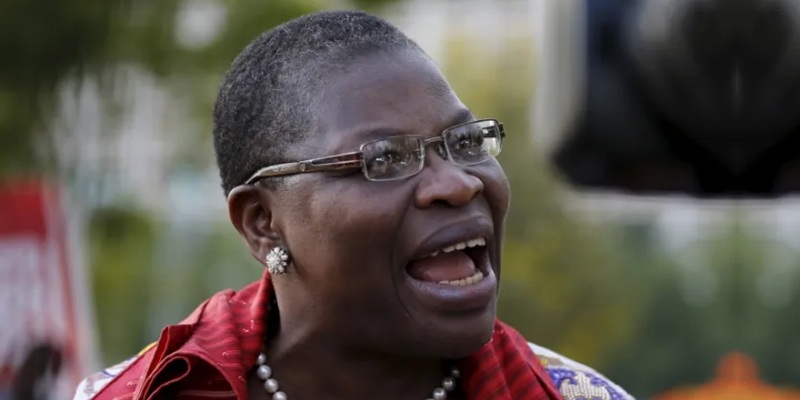
TDCivil society leader and former Nigerian Minister, Dr. Obiageli (Oby) Ezekwesili has accused the Senate of committing “a COUP against our Democracy and the Nigerian people”.

Dr. Ezekwesili made the comment after senators added a proviso allowing manual transmission of results if electronic transmission “fails.”
Ezekwesili warned that the amendment undermines transparency and called on Nigerians to defend real‑time electronic transmission of polling‑unit results.
Key Points
Core allegation:
Ezekwesili described the Senate’s action as an attack on democracy.
She said the proviso added to Clause 60(3) effectively nullifies the House of Representatives’ clear mandate for unconditional, real‑time electronic transmission of polling‑unit results.
House text endorsed:
She reiterated support for the House‑passed wording: “INEC shall electronically transmit election results from polling units to the INEC Result Viewing Portal in real time and such transmission shall be done simultaneously with the physical collation of results.”
Rejection of proviso:
Ezekwesili called the Senate’s added clause — which makes the signed Form EC8A the primary source if electronic transmission fails — a “grave danger”.
She stressed that it would permanently damage transparency and enable result manipulation.
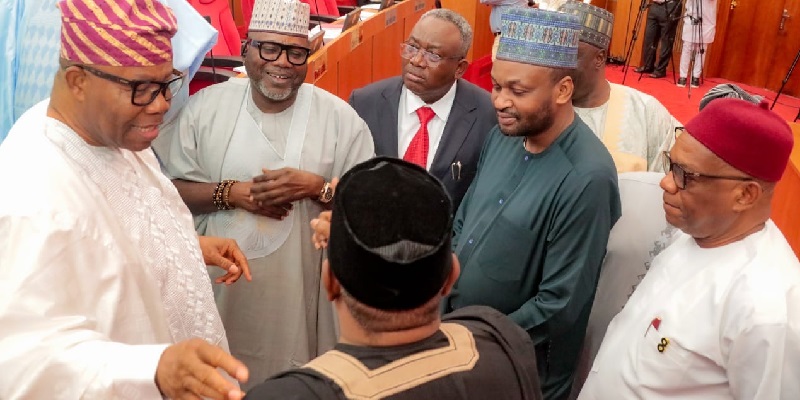
Direct Messages from Ezekwesili
Warning to Senators: “Let me again remind the Senators that it is not wise to play with fire. It simply is not wise.”
On motives: She accused the Senate of deliberately resisting transparency because electronic transmission would end opportunities to rig elections.
Call to citizens: Ezekwesili urged Nigerians to remain resolute.
She stressesd that “We, the Citizens of Nigeria and not politicians are the REAL OWNERS of Democracy.”
Context and Implications
Technical safeguard vs. fallback:
The dispute centers on whether electronic transmission should be unconditional or subject to a manual fallback.
Supporters of unconditional transmission argue it provides a tamper‑resistant, simultaneous record of results.
Opponents cite contingency concerns.
Political stakes:
The outcome of the Conference Committee’s harmonisation between the House and Senate versions will shape the legal framework ahead of the 2027 elections.
It could also affect public confidence in electoral integrity.
Public mobilisation:
Ezekwesili’s statement frames the issue as a civic defence of transparency and signals potential for intensified public pressure on lawmakers.
She urged the National Assembly and Nigerians to insist on the House’s plain text without provisos.
She argued that any conditional language would negate the transparency that Nigerian citizens demand.