

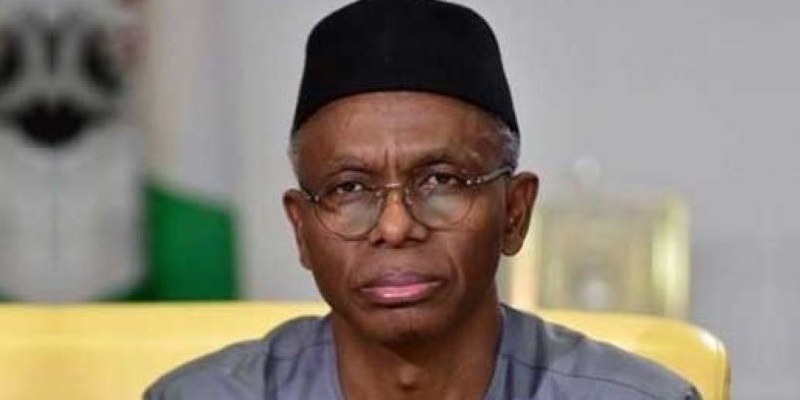

Former Kaduna State Governor, Nasir El-Rufai, was dramatically rearrested on Wednesday night, February 18, by operatives of the Department of State Service (DSS), barely minutes after securing bail from the Economic and Financial Crimes Commission (EFCC).
El-Rufai had been in EFCC custody since Monday over corruption-related allegations tied to his administration in Kaduna State, was granted bail at about 8 p.m.
Witnesses at the EFCC headquarters in Abuja reported that heavily armed DSS operatives had positioned themselves outside the premises.
They swiftly intercepted him as he stepped out, whisking him away in a convoy to the DSS headquarters in Asokoro District.
Background and Context
El-Rufai’s detention by the EFCC was linked to alleged financial mismanagement and corruption during his tenure as governor.
However, sources close to the matter suggest that the SSS arrest may be connected to cybercrime investigations.
The process raised questions about whether the two agencies are pursuing overlapping or entirely separate cases.
The incident has triggered intense debate among political observers and legal analysts.
They argue that such inter-agency actions could signal deeper tensions within Nigeria’s security and anti-corruption architecture.
Critics warn that the lack of transparency surrounding the charges risks undermining public confidence in the justice system.
Meanwhile, supporters of the move insist that no individual should be above scrutiny.

Key Developments
- EFCC Detention: El-Rufai was held since Monday over corruption allegations.
- Bail Granted: He secured bail around 8 p.m. on Wednesday.
- SSS Intervention: Armed operatives rearrested him immediately outside EFCC headquarters.
- Transfer: He was taken directly to the DSS headquarters in Asokoro, Abuja.
- Unclear Charges: Reports suggest cybercrime-related investigations, but no official statement has been issued.
Implications
This sudden rearrest has raised pressing questions about:
- Inter-agency coordination: Why the EFCC and DSS appear to be acting independently without clear communication.
- Rule of law: Whether due process is being followed in handling high-profile political figures.
- Political undertones: Observers speculate that the case may have broader political ramifications, especially given El-Rufai’s prominence in national politics.
The unfolding situation is expected to dominate public discourse in the coming days.
Nigerians are watching closely to see whether the charges will be clarified and how the courts will respond to this unexpected twist.