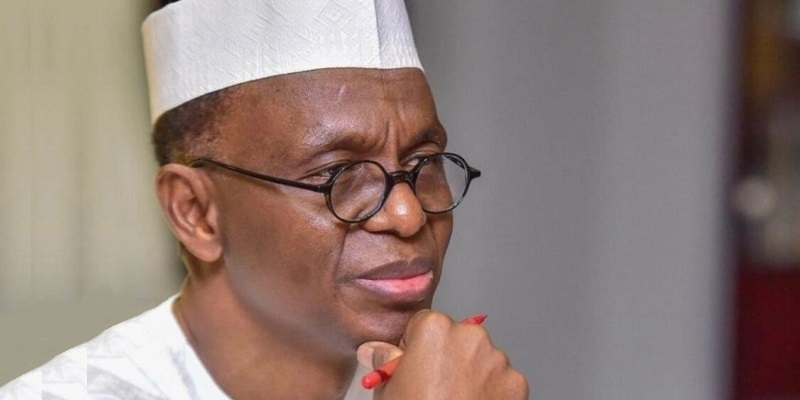
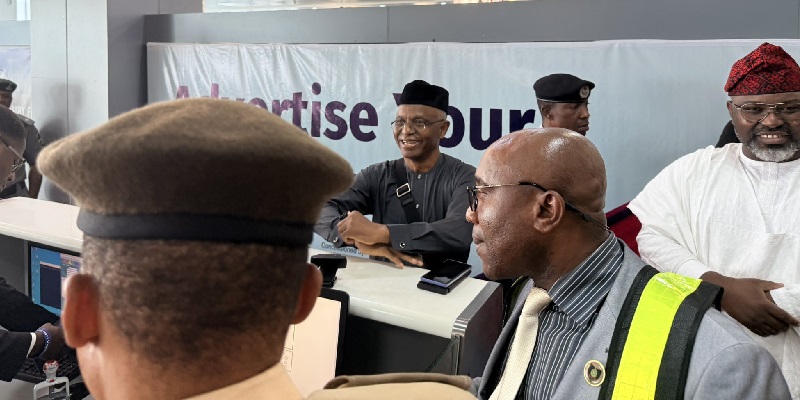
TDThere was mild drama at Nnamdi Azikiwe International Airport in Abuja today as security operatives today attempted to arrest former Kaduna State Governor, Malam Nasir El‑Rufai, shortly after he arrived in Nigeria on a flight from Cairo.

The incident, which unfolded at the airport, has already sparked widespread debate and heightened political tension across the country.
Details of the Incident
Eyewitness accounts, including statements from El‑Rufai’s spokesperson Muyiwa Adekeye, indicate that the former governor was approached by security agents upon arrival.
He reportedly declined to follow them, insisting that he had not been served with any formal invitation, warrant, or legal documentation authorizing his arrest.
In the ensuing confrontation, operatives allegedly seized his international passport from one of his aides, a move that has raised immediate concerns about due process and the legality of the operation.
Political Context
El‑Rufai, who served as Minister of the Federal Capital Territory before becoming a two‑term governor of Kaduna State, remains one of Nigeria’s most influential political figures.
His reputation as a reformist and outspoken critic of governance failures has often placed him at the center of national debates.
The attempted arrest comes at a time of heightened scrutiny of opposition voices and former office holders, fueling speculation about whether the move carries political undertones.
Observers note that El‑Rufai has long been a polarizing figure, admired by supporters for his boldness and criticized by opponents for his uncompromising style.
His detention attempt could therefore have significant ripple effects, not only within Kaduna politics but also across the broader national landscape.
Reactions
Civil society groups and political commentators have already begun voicing concern, calling for transparency and demanding that security agencies clarify the legal basis for their actions.
Analysts warn that any perception of politically motivated harassment could erode public trust in democratic institutions.
It can also deepen divisions at a time when Nigeria faces pressing challenges in security, governance, and economic recovery.
Next Steps
As of press time, it remains unclear whether El‑Rufai has been taken into custody or whether the confrontation ended without further escalation.
Nigerians await official statements from the relevant security agencies to shed light on the reasons behind the attempted arrest.
This development underscores the volatile intersection of politics and security in Nigeria.
If confirmed as politically motivated, the incident could heighten tensions between government institutions and opposition figures.
It can also raise questions about the protection of civil liberties and the rule of law.
The coming days will be critical in determining whether this episode becomes a flashpoint in Nigeria’s democratic journey.
It will also become clear whether it will be resolved through transparency and adherence to due process.