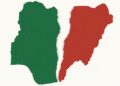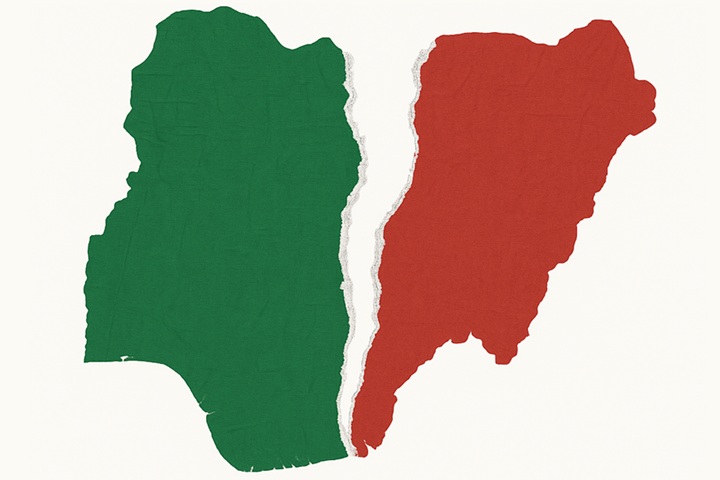
THIS DAWN — The hashtag #DivideNigeria has exploded across X (formerly Twitter) over the past 48 hours, fuelled by intensifying conversations around violence in Nigeria’s Middle Belt and Southeast, growing international scrutiny, and renewed agitation for the breakup of the country.

The trend—dominated by posts from Christian advocacy groups, separatist movements, rights activists, and ordinary Nigerians—frames division as the only pathway to ending persistent killings and systemic insecurity.
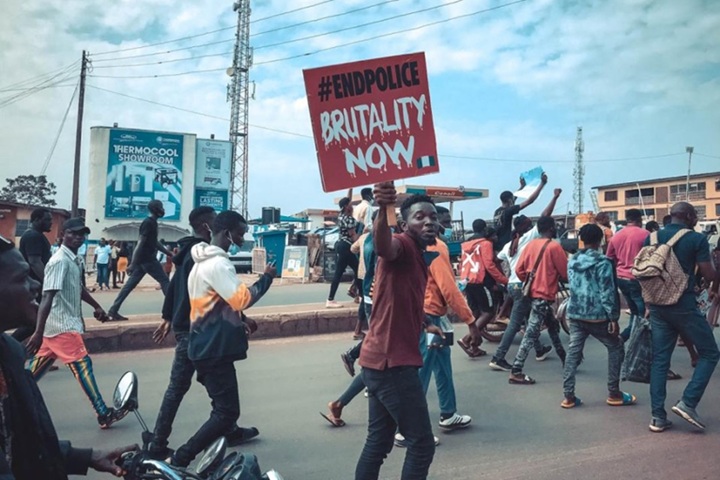
U.S. Lawmakers Amplify Crisis, Trigger Online Eruption
The most significant catalyst was a viral video posted on 11 December 2025 by U.S. Congressman Riley Moore (R-WV) following a bipartisan congressional visit to Benue State.
In the clip, Moore recounts witnessing what he described as “horrific genocidal campaigns” carried out by Fulani militants against Christian communities.
He highlighted testimonies from internally displaced persons, including a mother forced to watch five of her children murdered.
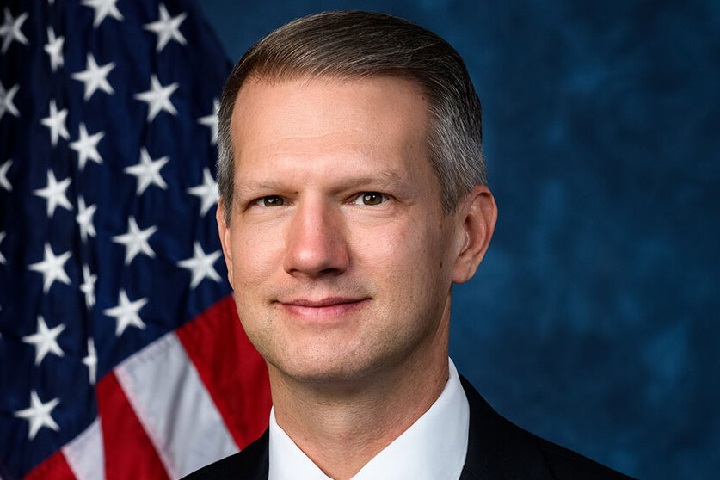
Moore announced that Congress would prepare a detailed report for President-elect Donald Trump, urging “coordinated action to stop the slaughter”.
The video, which quickly drew more than 9,500 likes and 5,400 reposts, became the epicentre of the #DivideNigeria surge.
Thousands of users argued that if the U.S. acknowledges widespread atrocities, then Nigeria’s unity should no longer be treated as sacrosanct.
Influential voices such as ADF International’s Sean Nelson and Deacon Nick Donnelly echoed similar sentiments.
They described Nigeria as a “failed state run by criminals” and asserting that division was the only viable humanitarian option.
Biafran Groups Seize the Moment
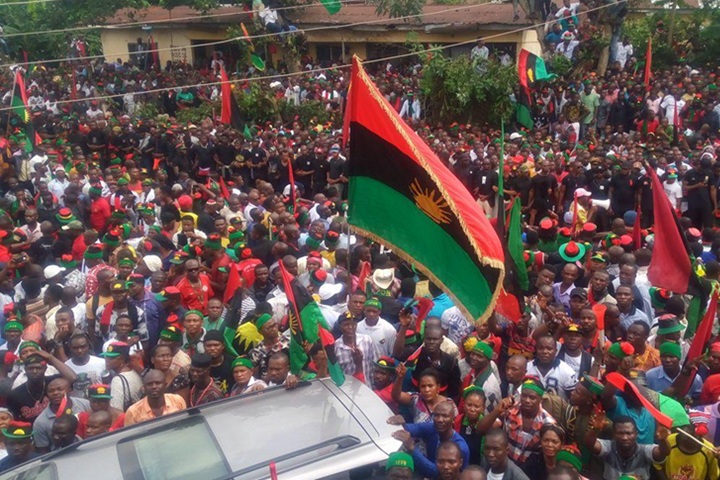
Pro-Biafra organisations—including the Alliance of Biafran Americans and the Biafra Republic Government in Exile (BRGIE)—intensified their messaging.
They linked current violence to what they describe as a decades-long pattern of state-enabled persecution against Igbo Christians.
Several of their recent posts referenced symbolic Biafran independence declarations on 29 November and 2 December 2025.
They urged international recognition, while tagging figures such as Donald Trump, Senator Ted Cruz, and Senator Marco Rubio.
Graphic videos of attacks—such as a viral clip of a man crying for his life at the hands of Islamist militants—were widely reshared.
The pictures were captioned with “Divide Nigeria for Peace” and “Ban Sharia or Divide Now.”
Broader Anger Beyond the Southeast
The trending hashtag is not driven solely by Biafran sentiment.
Users from Benue, Plateau, Southern Kaduna, and parts of the Southwest voiced frustration with what they see as structural imbalances, failed leadership, and an unending cycle of herder–farmer clashes.
Some posts frame the union as fundamentally incompatible.
They cite divergent religious legal systems and perceived tolerance of extremist networks in the North.
Others argue that the political elite—regardless of region—benefit from the status quo while ordinary citizens bear the burden of violence, poverty, and state neglect.
Engagement Scale and Sentiment
Analysis of the last 48 hours shows hundreds of high-engagement posts, with some individual threads receiving between 4,000 and 10,000 interactions.
Sentiment analysis skews strongly toward pessimism about Nigeria’s future.
A significant minority, meanwhile, argue for referendums or a confederal restructuring.
However, many Nigerians still call for unity and warn that secession could trigger humanitarian crises and economic collapse.
Nonetheless, momentum on social platforms is firmly in favour of fragmentation narratives.
- Volume: Over 100 top/recent posts in the last two days, with engagement spiking after Moore’s video (e.g., 4,800+ likes on Donnelly’s post alone).
Semantic searches for “why #divideNigeria” yield 10+ highly relevant threads, mostly from December 11-12.
- Sentiment Breakdown (based on sampled posts):
Theme
% of Posts
Example
Christian Genocide/Security60%“End the slaughter—divide now”Biafran Independence25%“Biafra rising means Christianity thriving”
Anti-Islamist/Sharia Critique10%“Ban Sharia or divide”
Economic/Political Failure5%“Politicians benefit from the union—we don’t”
What This Means Going Forward
The rapid spread of #DivideNigeria highlights intensifying ethnic, religious, and political fractures—compounded by mounting external interest from influential U.S. lawmakers.
If the trend continues to grow, it could shape diplomatic discourse, pressure the Nigerian government, and energise secessionist groups seeking international legitimacy.
Observers warn federal and state authorities to respond decisively to insecurity and allegations of targeted violence.
Unless that is done, calls for division may move from online agitation to broader political mobilisation.
For now, #DivideNigeria remains one of the most emotionally charged and polarising conversations in the Nigerian digital sphere—and one that shows no signs of slowing.