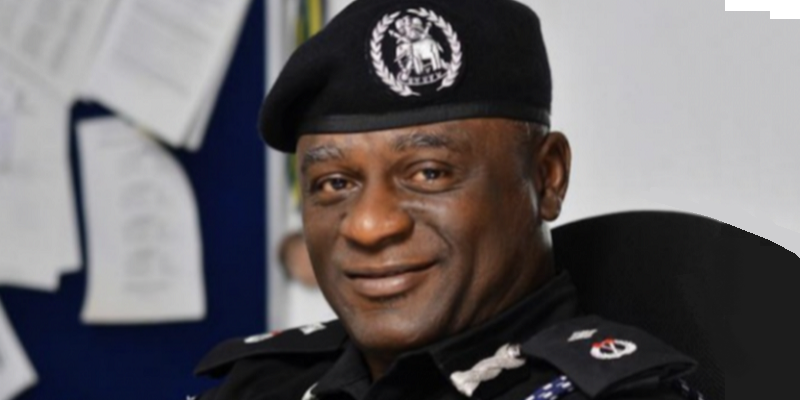
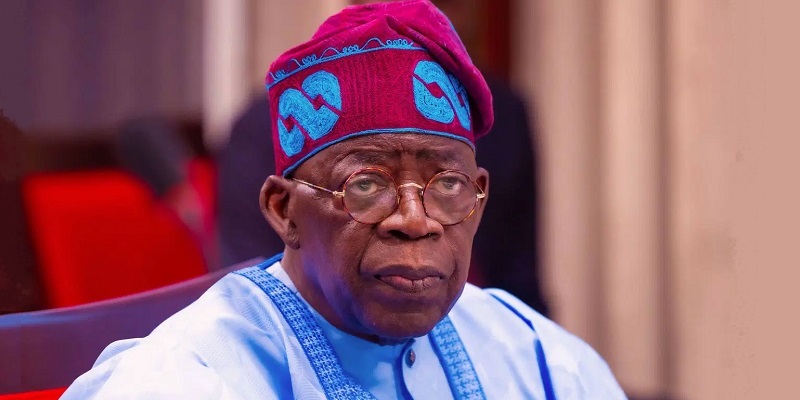
TDPresident Bola Tinubu’s appointment of Tunji Disu as Acting Inspector General of Police (IGP) has ignited a storm of debate across Nigeria, exposing deep divisions over leadership, governance, and the future of the Nigeria Police Force.

While some hail the decision as a bold step toward reform, others view it as a costly miscalculation that undermines institutional stability.
Concerns Over Retirement Timeline
One of the most contentious issues is Disu’s proximity to retirement. Born on April 13, 1966, Disu is just 48 days away from the mandatory retirement age of 60.
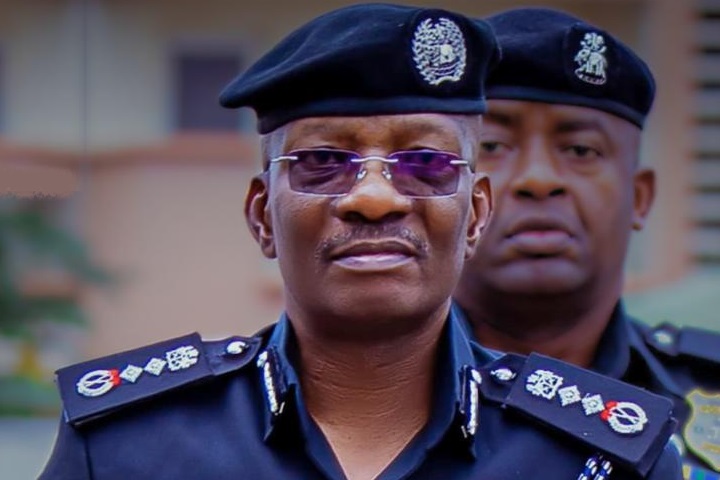
Critics argue that elevating him at this stage is a waste of institutional investment, particularly when younger and senior officers like Deputy Inspector General Frank Mba—aged 52 with eight years left in service—are available.
Commentators such as Samuel Omogor describe the move as emblematic of Nigeria’s recurring problem.
He regretted sidelining capable officers due to political considerations, thereby forcing premature retirements and draining the Force of experienced leadership.
The frustration is compounded by memories of similar controversies surrounding the appointment of outgoing IGP Kayode Egbetokun, which also led to the early exit of several senior officers.
For many, the issue is not Disu’s competence but the timing and optics of his appointment.
The perception of waste and disregard for succession planning has fueled anger among those who see the decision as symptomatic of Nigeria’s governance challenges.
Supporters Defend Presidential Prerogative
Defenders of the appointment, however, insist that President Tinubu acted within his constitutional prerogative.
Tokunbo Peters argues that the IGP position is not strictly about seniority but about competence, integrity, and the ability to lead.
He points out that Disu’s career trajectory—marked by discipline, incorruptibility, and a scandal-free record—makes him a strong candidate.
Peters also challenges the narrative that Frank Mba is the most senior officer affected.
He noted that several other Deputy Inspectors-General, including Hamzat Ade Ayinde and Funsho Adegboye, are senior to Mba and will also retire as a result of the appointment.
He stresses that accelerated promotions within the Force have often reshuffled ranks, making seniority less straightforward than critics suggest.
For supporters, Disu’s appointment is a merit-based decision that prioritizes competence over politics or ethnicity.
They argue that Nigeria needs a leader who can command respect and drive reform, and Disu fits that profile.
Legal Clarifications
Adding another layer to the debate, legal analysts highlight recent amendments to the Nigeria Police Act (2020, revised in 2024).
Section 18(8A) now stipulates that any person appointed as IGP is entitled to serve a full four-year term, regardless of age or years of service.
This provision effectively neutralizes concerns about Disu’s impending retirement, making his appointment legally sound.
Hafiz B noted that the amendment was designed precisely to prevent situations where competent officers appointed close to retirement would be forced out prematurely.
Yet, critics question the motives behind such amendments, suggesting they were tailored to accommodate specific individuals rather than strengthen institutional norms.
Broader Reflections on Nepotism and Governance
Beyond the legal and procedural debates, the appointment has reignited discussions about nepotism and ethnic favoritism in Nigeria’s governance.
A commentator simply identified as SLS, argues that while Tinubu’s choice may reflect ethnic considerations, Nigerians should remember that under former President Muhammadu Buhari, nearly all top security positions were occupied by Northern Muslims.
He warns against selective outrage, noting that Buhari’s precedent normalized ethnic imbalance in appointments.
For SLS, the real issue is not ethnicity but the systemic corruption, political interference, and disregard for rule of law that plague the Police Force.
He calls for a shift in focus toward what Disu can achieve in terms of reform, rather than endless debates about where he comes from.
In a poignant reflection, SLS shares his personal stake:
“My son is a young police officer, and our dream is for him to grow in a Force that gives him a sense of values and professionalism.
“If we all refuse to allow our children to join the Police, who will fix the mess?”
His words underscore the human dimension of the debate, reminding Nigerians that behind the politics are families hoping for a better future for the Force.
Conclusion
The appointment of Tunji Disu as Acting IGP has become a flashpoint for broader national conversations about governance, meritocracy, and institutional reform.
Critics see it as another example of wasted resources and questionable priorities, while supporters believe it is a pragmatic choice that prioritizes competence over politics.
Ultimately, the controversy reflects Nigeria’s struggle to balance legality, merit, and public perception in leadership appointments.
The coming months will be crucial in determining whether Disu can rise above the storm to deliver the reforms Nigerians desperately seek in a Police Force long plagued by corruption, inefficiency, and politicization.
His success—or failure—will not only shape the future of the Nigeria Police Force but also serve as a litmus test for Tinubu’s broader governance agenda.