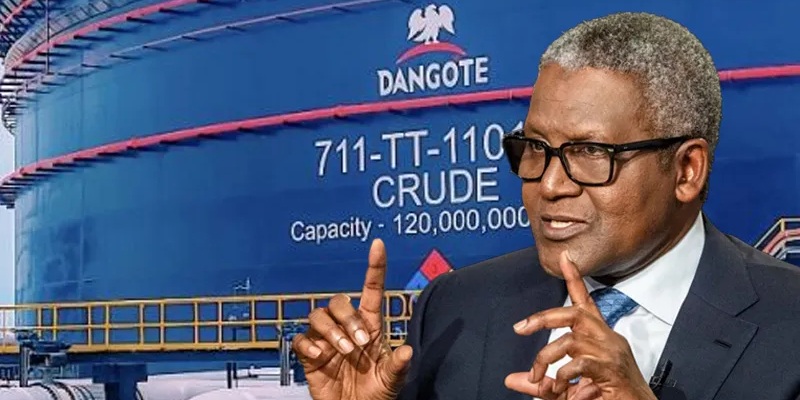

Aliko Dangote, Africa’s wealthiest individual with an estimated net worth of $28–30 billion, has become the focal point of economic discussions across Nigeria and the continent.
His warnings about the ripple effects of the ongoing Middle East crisis — marked by escalating US-Israel-Iran tensions —
have sparked widespread debate on how surging oil prices could destabilize everyday life and business operations in Nigeria.
Oil Prices and Work-From-Home Warning
After returning from a UK trip and meeting President Bola Tinubu in Lagos, Dangote compared the current energy crisis to the COVID-19 pandemic.
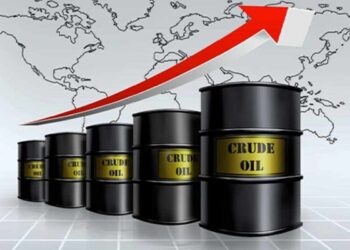
He cautioned that crude oil prices, now climbing above $110 per barrel, may force governments to adopt drastic measures such as reducing workdays or encouraging remote work.
His remarks highlighted the vulnerability of small businesses and daily earners — from barbers to bakers — who rely heavily on generators in a country with limited reserves.
Dangote urged Nigerians to pray for de-escalation, stressing that the poorest would bear the brunt of the crisis.
Dangote Refinery in Spotlight
The Dangote Refinery, already hailed as a symbol of national pride, has become a lifeline amid global fuel disruptions.
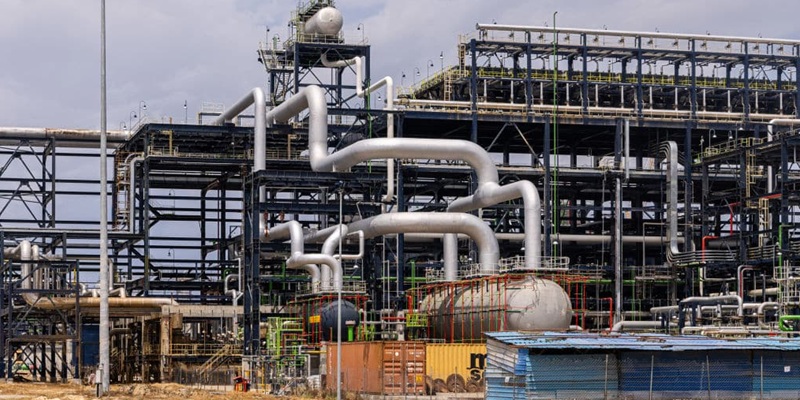
Several African nations, including South Africa, are turning to the facility for supplies as war-related shortages deepen.
Domestically, the refinery is stabilizing distribution but has had to adjust prices in response to crude hikes.
This has reignited debates over fuel imports versus local refining, with Dangote calling for investigations into regulators and warning against cheap imports that could undermine local jobs.
Expanding Global Deals
Beyond oil, Dangote is broadening his industrial footprint. He recently signed a $4.2 billion gas supply agreement with China’s GCL Group to power a fertilizer project in Ethiopia.
This deal underscores his vision of driving African industrialization and reducing dependence on foreign imports.
Analysts see it as part of a larger strategy to position his businesses as continental stabilizers during global economic turbulence.
Wealth, Influence, and Criticism
Dangote continues to top Africa’s billionaire rankings, with collective wealth among the continent’s richest rising by $20 billion.
His plans for a potential refinery IPO in July 2026 are closely watched, as are his cement business results.
While many praise his role in reducing Nigeria’s reliance on fuel imports, critics argue that wealthy Nigerians often prioritize luxury assets like private jets over investments that generate jobs.
Dangote counters this narrative by emphasizing industrialization as the path to rescuing Nigeria’s economy.
Social Media Buzz
On platforms like X (Twitter), clips of his meeting with Tinubu and his oil crisis warnings are trending.
Supporters hail him as a stabilizing force, while others debate inequality and elite priorities.
The dominant narrative portrays Dangote as both a national asset and a lightning rod for regulatory controversies, embodying Nigeria’s struggle for self-reliance in a volatile global energy landscape.
This report captures the unfolding story of Dangote not just as Africa’s richest man, but as a central figure in Nigeria’s response to global oil shocks
— balancing refinery operations, international deals, and public warnings about looming economic pain.
His influence continues to shape both policy debates and public sentiment at a time of unprecedented uncertainty.