TDCrude oil markets are in upheaval as Iran intensifies military strikes across the Middle East, raising fears of supply disruptions in one of the world’s most vital energy corridors.

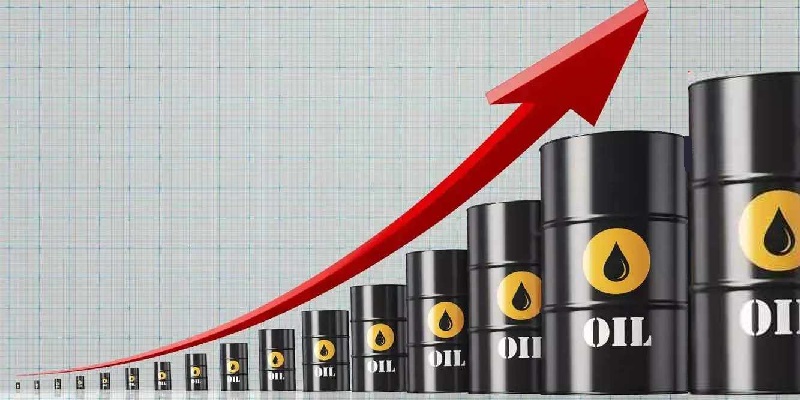
Brent crude oil prices surged past $120 per barrel, while West Texas Intermediate (WTI) climbed above $115, marking the sharpest spike in years and sending shockwaves through global financial markets.
Analysts warn that if the conflict escalates further, prices could breach historic highs not seen since the 2008 financial crisis.
The uncertainty has triggered panic buying in some regions, with refiners and traders scrambling to secure supplies amid fears of shortages.
Energy-dependent economies, particularly in Asia and Europe, are bracing for severe consequences as volatility spreads across commodities and currencies.
G7 Weighs Emergency Measures
In response to the crisis, G7 nations are considering a coordinated release of up to 400 million barrels of crude oil from strategic reserves.
This would represent one of the largest emergency interventions in modern history, designed to stabilize markets, reassure investors, and cushion consumers against surging fuel costs.
Energy ministers from the United States, Japan, Germany, and the United Kingdom are spearheading discussions, with France and Canada also backing the plan.
Officials stress that while such a release could provide short-term relief, it cannot substitute for long-term stability in the Middle East.
The move is being compared to the 2011 coordinated release during the Libyan civil war, though the scale of today’s crisis is far greater.
Ripple Effects of Crude Oil Prices on Consumers and Businesses
The crude oil price shock is already reverberating across industries and households worldwide:
- Airlines warn of higher ticket prices as jet fuel costs soar, threatening travel demand.
- Manufacturers face mounting production expenses, particularly in energy-intensive sectors such as steel, cement, and chemicals.
- Households brace for rising fuel and electricity bills, with European and Asian markets especially vulnerable to price volatility.
- Emerging economies reliant on imports risk balance-of-payment crises as foreign reserves are drained to cover energy costs.
- Agriculture is also under pressure, as higher fuel costs drive up food prices, compounding inflationary trends.
Economists caution that prolonged instability could trigger a new wave of global inflation.
It could also complicate monetary policy decisions and potentially slowing recovery from recent economic downturns.
Central banks, already struggling to balance growth and inflation, may be forced into aggressive interest rate hikes.
Middle East Flashpoint
Iran’s strikes have raised alarm over the security of the Strait of Hormuz, a narrow waterway through which nearly 20% of global oil supply flows.
Any disruption in this corridor could have catastrophic consequences, choking off supplies to Asia, Europe, and North America.
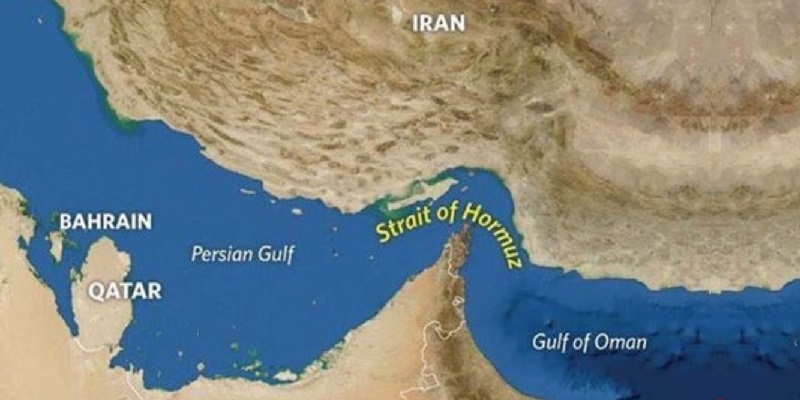
Regional powers remain on high alert, with naval patrols intensified to safeguard shipping lanes.
The United States Fifth Fleet has reportedly increased its presence in the Gulf, while Saudi Arabia and the UAE are coordinating with allies to ensure safe passage for oil tankers.
Global leaders, including the UN Secretary-General António Guterres, have urged restraint.
Guterres warned that a wider conflict could destabilize not only the Middle East but also the global economy.
Crude oil Outlook
The surge in oil prices underscores the fragile balance between energy security and geopolitical stability.
While the G7’s potential release of reserves may provide temporary relief, experts stress that only a de-escalation of tensions in the Middle East can deliver lasting stability.
The coming weeks will be decisive: if hostilities continue, the world could be staring at a prolonged energy crisis, with ripple effects across every sector of the global economy.
From households to multinational corporations, the impact of this conflict-driven surge in oil prices is a stark reminder of how deeply intertwined geopolitics and global markets remain.
This comprehensive report highlights the economic, political, and humanitarian dimensions of the oil price surge.
It shows how a regional conflict is reshaping global markets and testing the resilience of international cooperation.