TDA heated debate has erupted across Nigeria’s educational and civic spaces following claims that Igbo history is being quietly removed from the national curriculum.

The controversy began after a widely shared post by education advocate, Alex Onyia.
Onyia expressed outrage over what he described as a deliberate erasure of Igbo historical content from school instruction.
Public Outcry Over Curriculum Changes
Onyia’s statement struck a chord with many Nigerians, particularly in the South-East, where concerns about cultural preservation and historical recognition remain sensitive.
He argued that the removal of Igbo history was not an accident, but an intentional act designed to prevent future generations from asking difficult questions about Nigeria’s past.
Onyia wrote: “You don’t remove history by accident.
“You remove it when you don’t want the next generation to ask uncomfortable questions.”
He warned that children deprived of Igbo history would grow up believing Nigeria began in 1914, that centralized power was the norm, and that resistance movements never existed.
According to him, such ignorance is not neutral but politically useful, making citizens easier to manipulate and divide.
Onyia’s post framed history as a tool of empowerment.
He insisted that memory is power and that erasing Igbo narratives undermines the ability of future generations to challenge present realities.
Federal Ministry of Education Responds
In response to the growing uproar, the Federal Ministry of Education issued a statement through the Minister, Dr. Tunji Alausa.
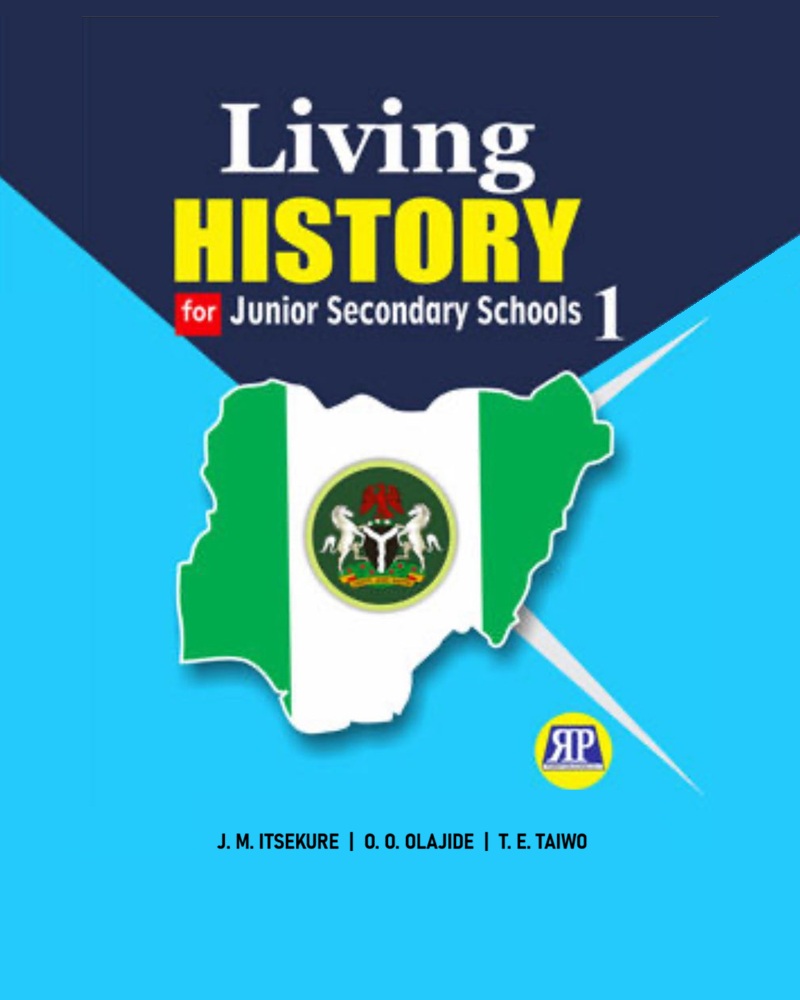
Dr. Alausa clarified that the controversial textbook at the center of the debate — Living History for Junior Secondary Schools — has not been approved for use in Nigerian schools.
He emphasized that the book was never submitted to the National Educational Research and Development Council (NERDC).
NERDC, meanwhile, is the statutory body responsible for reviewing and approving instructional materials.
“I wish to state clearly, firmly, and unequivocally that Living History is NOT an approved textbook and has not been recommended for use in any Nigerian school by the Federal Ministry of Education,” he said.
He urged the public to reject misinformation and verify the approval status of educational materials through official channels, stressing that education thrives on truth and unity thrives on understanding.
Broader Context of the Debate
The controversy highlights long-standing tensions over how Nigeria’s diverse histories are represented in the national curriculum.
Critics argue that selective omissions or underrepresentation of certain ethnic groups’ histories contribute to feelings of marginalization and weaken national cohesion.
Supporters of Onyia’s position see the alleged exclusion of Igbo history as part of a broader pattern of neglect.
Meanwhile, the Ministry insists that the uproar stems from misinformation about an unapproved textbook rather than official policy.
The debate also underscores the importance of curriculum transparency.
In a multi-ethnic country like Nigeria, the content of history education carries significant weight in shaping national identity, fostering unity, and ensuring that all communities feel represented.
Implications for Education and National Unity
- Cultural Identity: The controversy raises questions about how Nigeria balances national narratives with regional histories.
- Curriculum Oversight: It highlights the need for stronger communication between the Ministry, NERDC, and the public to prevent misinformation.
- Public Trust: The uproar reflects broader distrust in government institutions, with citizens quick to suspect deliberate exclusion when transparency is lacking.
- Youth Empowerment: Advocates argue that denying children access to their cultural history weakens their ability to critically engage with Nigeria’s political and social realities.
The clash between Onyia’s passionate critique and the Ministry’s official clarification illustrates the fragile nature of Nigeria’s educational discourse.
The Ministry insists that Living History is not approved and therefore irrelevant to the curriculum.
Onyia’s concerns, however, resonate with a wider audience worried about cultural erasure and historical neglect.
Ultimately, the controversy underscores the urgent need for inclusive, transparent, and accountable curriculum development.
For Nigeria to foster unity and empower its youth, history education must reflect the nation’s full diversity.
It must also ensure that no group feels silenced or erased.