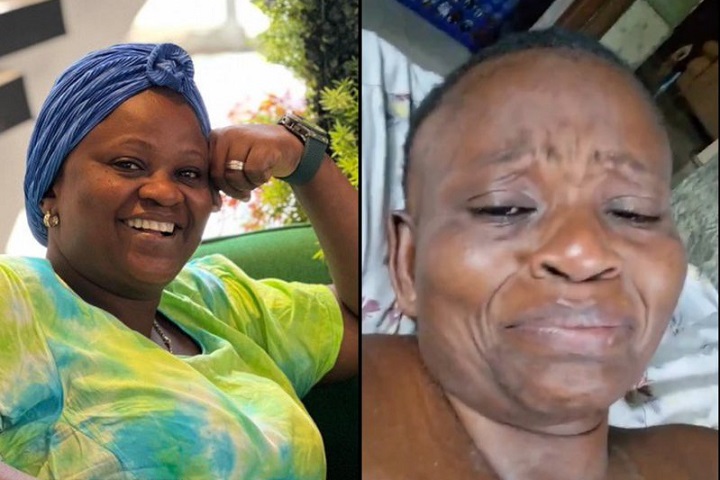
THIS DAWN — Nigeria’s social media space has been consumed by heated debate over blood transfusion, religious doctrine, and donor rights following the case of Esther Omolola Mensah, popularly called “Aunty Esther”, a well-known online vendor and Jehovah’s Witness who is battling breast cancer.

Mensah’s refused to accept a blood transfusion—despite receiving more than ₦30 million in public donations.
Her refusal ignited a national conversation on medical ethics, faith, and the boundaries of public intervention in private health decisions.
“Aunty Esther” became a familiar figure on X (formerly Twitter) for running a small and trusted market-shopping and food errand business.
Her friendly personality and dependability earned her a loyal following that rallied around her after she appeared in a viral video from her hospital bed, visibly in pain and appealing for urgent assistance.
The emotional footage triggered a wave of sympathy, leading to a massive fundraising drive.
Influencers amplified her case, while thousands of ordinary Nigerians contributed.
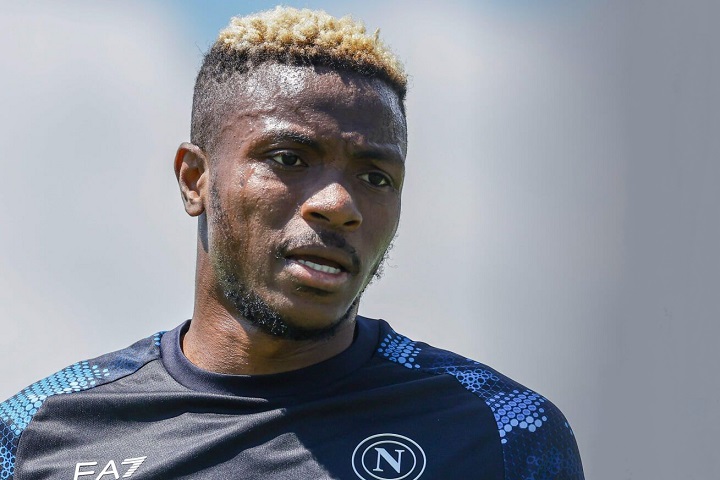
Among the highest-profile donors was Nigeria international football star, Victor Osimhen, who reportedly donated ₦5 million to support her treatment after the video went viral.
Her stand as a Jehovah’s Witness
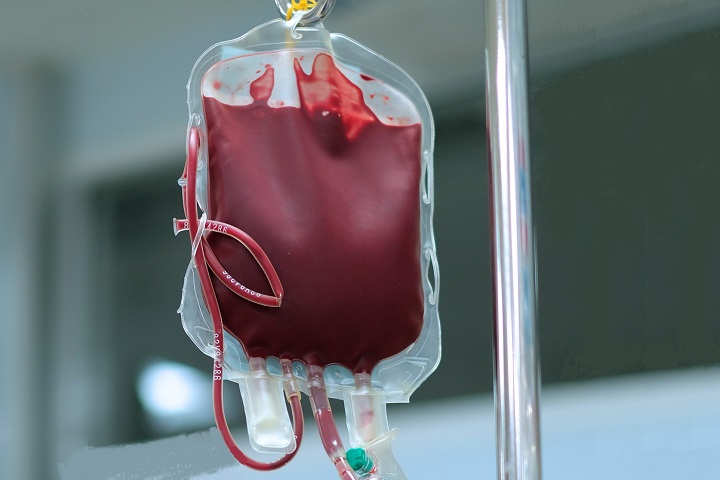
However, public sentiment shifted dramatically after it emerged that Esther, a Jehovah’s Witness, had declined a blood transfusion recommended by her doctors.
Declining blood transfusion is consistent with her faith’s long-standing doctrine prohibiting the procedure.
The revelation sparked outrage and confusion across social media, with some donors demanding refunds.
Others insisted that medical decisions, even if unpopular, remain a matter of personal conviction.
The controversy has resurfaced old questions about ethical boundaries in medical fundraising, especially when treatment decisions clash with public expectations.
Critics argue that donors deserve transparency and accountability.
Many others maintain that charity is unconditional and that religious autonomy must be respected.
Complicating the debate is the lack of independently verified medical records about her diagnosis, treatment plan, or the hospital overseeing her care.
Much of what is known has come from social media posts rather than formal medical documentation.
This has further fueled suspicion among some Nigerians already wary of medical crowdfunding scams.
Her case coincides with a renewed national focus on blood donation.
These include recent donor drives and government-led efforts to harmonize the cost of blood services in public hospitals.
These events have converged to create a broader conversation on access to safe blood, affordability, and the role of faith in life-saving care.
For many Nigerians, the “Aunty Esther” saga highlights the tensions between personal belief, public generosity, and the complicated new world of health-related crowdfunding—where private medical choices can quickly become matters of public debate.