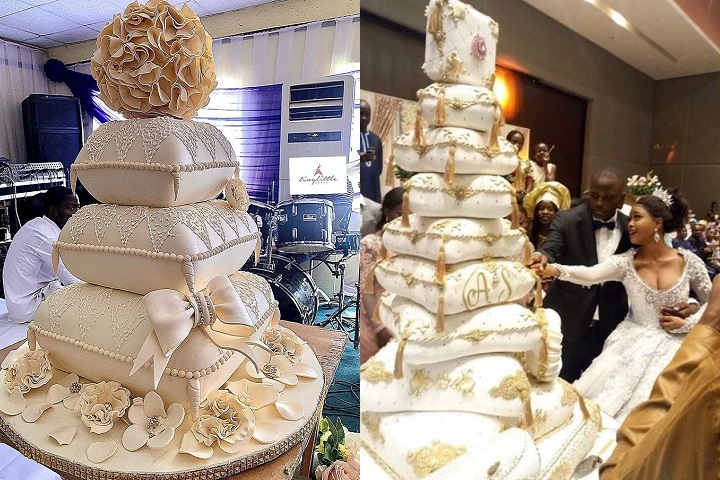
THIS DAWN — A prominent legal scholar and public-interest advocate, Sylvester Udemezue (Udems), has issued a strongly worded advisory urging Nigerians to rethink the growing culture of forming “Committees of Friends” to finance extravagant social events such as weddings and burials.

Udemezue made the remarks in an open commentary dated November 29, 2025.
He argued that the original purpose of such committees has been distorted, with many now using them to fund unnecessary displays rather than genuine human needs.
According to him, “A happy and sustainable marriage is far more important than a lavish ceremony”.
He stressed that what truly matters to a spouse is not an elaborate event but “care, love, and stability for themselves and their future children.”
He warned that the trend of raising large sums for social shows leaves families vulnerable, especially when real emergencies arise later.
Committees Meant for Real Needs, Not Extravagance
Udemezue explained that a Committee of Friends was historically designed to help individuals or families meet urgent, essential, and meaningful needs—not to bankroll societal spectacle.
In recent years, he observed, many Nigerians have increasingly used committees to sponsor opulent weddings, burials, and other celebrations, often at great financial risk.
“It is common today to see people plunge themselves into debt just to organize an elaborate wedding or burial.
“This contradicts the principle of cutting one’s coat according to one’s cloth,” he said.
He argued that neither weddings nor burials justify the formation of such committees.
A burial, he noted, should be handled with dignity and practicality, not excessive spending.
Similarly, he described a wedding as “a union between two people,” insisting that a modest ceremony is more than sufficient.

Redirect Support to Meaningful, Long-Term Causes
Instead of raising funds before a wedding for ostentation, Udemezue urged that friends’ support would be far more beneficial after the marriage.
That is when the couple is trying to start a home, set up a business, or handle essential family needs.
This, he emphasized, offers long-term stability rather than fleeting social admiration.
He listed several situations where Committees of Friends are genuinely justified:
-
Medical emergencies, where funds could save a life.
-
Starting a business, such as assisting a newly trained apprentice.
-
Education, including supporting children or youths who gain admission but cannot afford fees.
-
Community projects, such as installing transformers, rehabilitating schools, repairing roads, or assisting the poor.
-
Other public-interest initiatives with enduring societal benefit.
He cited as an exemplary case the committee convened years ago by Emeka Ngige, SAN, to fund infrastructure projects at the Nigerian Law School—“a celebration that leaves a lasting positive impact.”
Difference Between a Wedding and a Wedding Ceremony
Udemezue stressed that Nigerians must understand the distinction between the marriage itself and the ceremony surrounding it.
“There is no honour or moral superiority in spending tens of millions on a ceremony,” he said.
True love and commitment, he argued, are demonstrated in how couples build their lives afterward, not in the grandeur of a one-day event.

Key Advice to Couples and Families
Udemezue distilled his position into three core recommendations:
-
Do not borrow money for weddings—a modest event is enough to begin marriage on a sound financial footing.
-
Protect your earnings and savings, as lavish ceremonies often leave couples vulnerable and struggling.
-
Use excess resources to help others, especially in areas like illness, education, and poverty alleviation.
He cautioned that his advice should not be misconstrued as criticism but as heartfelt guidance motivated by care for societal well-being, quoting Anne Tyler: “It is very difficult to live among people you love and hold back from offering them advice.”
A Call for Cultural Reorientation
Udemezue concluded by urging Nigerians to stop forming Committees of Friends for extravagant ceremonies and instead direct collective goodwill toward causes that create enduring value for families and communities.
“Weddings should celebrate love and union, not social display,” he said. “Let us invest in the future, not in fleeting spectacle.”