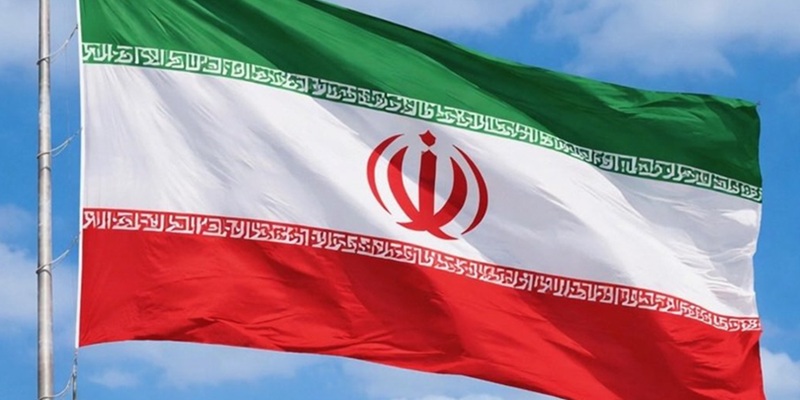
TDA coalition of Gulf and Arab states — the United States, United Arab Emirates, Saudi Arabia, Qatar, Bahrain, Jordan, and Kuwait — issued a joint statement condemning recent Iranian attacks and asserting their right to self‑defense.

In a private statement, the government of Qatar announced that “Iran’s attacks will not go unanswered.”
Headline Summary
- Statement: “We condemn Iran’s attacks and have the right to defend ourselves.”
- Signatories: United States; UAE; Saudi Arabia; Qatar; Bahrain; Jordan; Kuwait.
- Timing: Issued amid rapidly escalating hostilities in the Gulf region.
- Status: Official joint diplomatic declaration; further operational responses not detailed in the statement.
Full Report
A coordinated diplomatic response was released today by seven countries condemning what they described as Iranian attacks in the region.
They affirmed their sovereign right to defend their forces, territory, and interests.
The terse joint communiqué underscores growing regional unity among U.S. partners and Gulf states in the face of recent confrontations.
The statement frames the incidents as unacceptable provocations and signals political alignment between Washington and several Arab capitals.
While the declaration stops short of announcing specific military measures, its language leaves open the possibility of coordinated defensive or deterrent actions should further attacks occur.
Context and Implications
- Regional unity: The joint wording highlights closer coordination between the U.S. and key Gulf partners on security policy and crisis messaging.
- Deterrence signal: Publicly asserting a collective right to self‑defense is intended to deter further strikes and reassure allied forces and commercial actors in the Gulf.
- Escalation risk: Such statements can precede defensive deployments or operational changes; they also raise the stakes for Tehran, increasing the risk of miscalculation.
- Diplomatic avenues: Alongside deterrence, the declaration may be used to justify intensified diplomatic pressure on Iran at international forums.
What to Watch
The world is currently watching out for any follow‑up operational announcements from the signatory governments.
These may include force posture changes, air/naval movements, or defensive strikes.
They are also on the look-out for responses from Tehran and statements from other regional actors.
International diplomatic activity at the United Nations and among European partners are also on the top burner.
Further verified details and official responses from the governments involved are expected as events unfold.