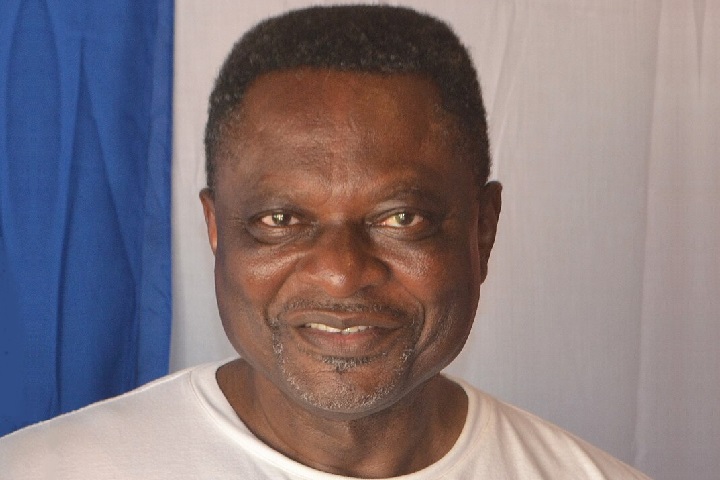
THIS DAWN — Veteran opposition politician, Anicet Ekane, leader of the political outfit—African Movement for New Independence and Democracy (MANIDEM), has died in custody.

This Dawn learnt that Ekane died in military detention on Monday, December 1, 2025, aged 74.
His death followed after being detained for over five weeks.
His family and legal team claim that chronic respiratory illness worsened during detention and that he was denied adequate medical treatment.
Ekane was arrested on October 24, 2025, in Douala, a day after the disputed presidential election that extended the long rule of Paul Biya.
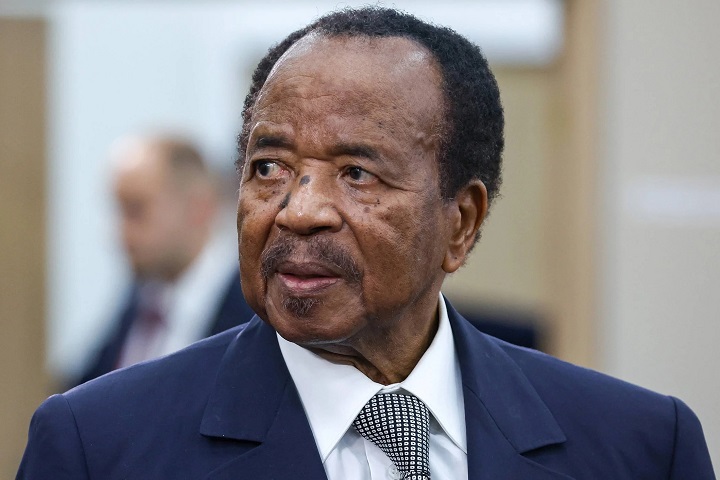
Authorities charged him with insurrection, accusations his party dismissed as politically motivated.
He was transferred to custody at the Secretariate of State for Defence (SED) in Yaoundé, where he remained detained until his death.
According to his eldest son, Muna Ekane, the former lawmaker began suffering severe breathing difficulties about a week before his death, reportedly “suffocating” and unable to eat.
Family pleas for urgent medical evacuation or hospital care allegedly went unanswered.
His lawyer, Emmanuel Simh, described the circumstances as a denial of appropriate treatment and demanded accountability.
The Cameroonian government, through the Ministry of Defence, confirmed Ekane’s death.
It attributed it to illness and asserting he had been receiving care at the National Gendarmerie Military Medical Centre, supported by his personal physicians.
An official investigation has reportedly been launched to examine the circumstances surrounding his demise.
Who is Anicet Ekane?
Ekane was a veteran activist who spent nearly five decades advocating for multiparty democracy and political reform in Cameroon.
He founded MANIDEM in 1995 after leaving the old-guard opposition group, and previously ran for president in 2004 and 2011.
Observers note that his death in custody — following a controversial election and mass arrests of opposition figures — deepens fears of escalating political repression.
Civil society groups, human rights organisations, and international observers have condemned the death as a potential human rights violation, calling for transparency and justice.
The European Union delegation to Cameroon has expressed “deep sadness” and urged authorities to safeguard the rights and physical integrity of all political actors.
For many Cameroonians, Ekane’s passing marks a grim milestone: a once vibrant, seasoned political voice silenced in detention.
As protests continue and calls for accountability intensify, his death is likely to polarize already fraught political dynamics.
It may also place renewed scrutiny on the treatment of detainees and the broader human rights situation in Cameroon.