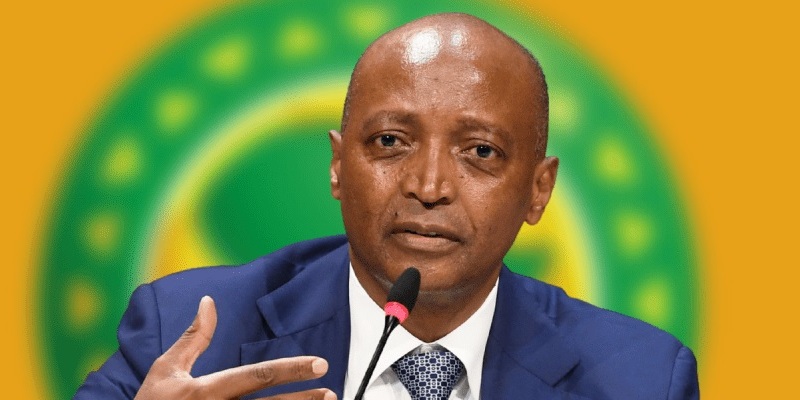
TDThe President of the Confederation of African Football (CAF), Dr. Patrice Motsepe, has reacted to the decision of the CAF Appeal Board, an Independent CAF Tribunal Body that is chaired by a Judge, concerning the Final Match between Morocco and Senegal during the TotalEnergies CAF AFCON Morocco 2025.

Dr. Motsepe made the remarks during an interview published on CAF TV.
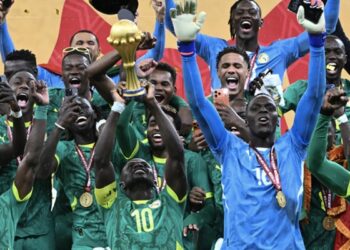
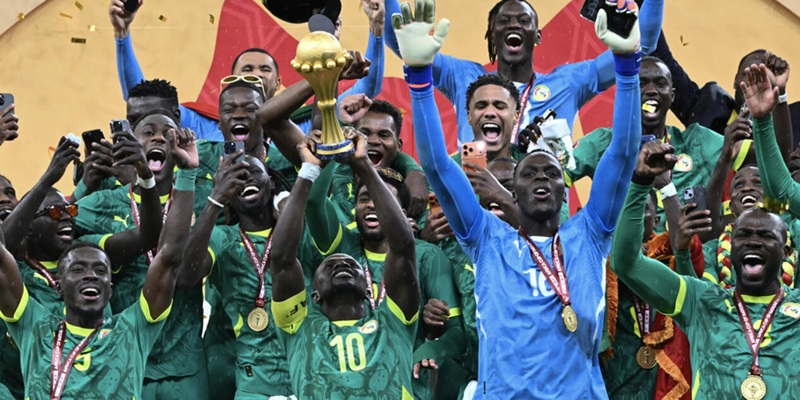
CAF had been thrust into the spotlight after its Appeals Board stripped Senegal of the AFCON Morocco 2025 title, awarding victory to Morocco following a contentious review of the final match.
CAF President’s reaction underscores both the gravity of the decision and the broader governance challenges facing African football.
CAF President’s Reaction and the Governance Legacy
A Historic Reversal
The ruling is unprecedented in AFCON history. Senegal, who celebrated triumph on the pitch, now faces the prospect of appealing to the Court of Arbitration for Sport (CAS).
The reversal has reignited debates about fairness, transparency, and the credibility of CAF’s judicial processes.
Motsepe acknowledged the pain of the decision, stressing that the incidents during the final undermined years of progress in building integrity and trust.
He described the controversy as part of a “legacy issue” — a long-standing struggle with impartiality and suspicion surrounding referees and match officials.
Judicial Independence Under Scrutiny
CAF’s judicial bodies — the Disciplinary Board and Appeals Board — reached different conclusions on the matter, a divergence Motsepe framed as proof of their independence.
He emphasized that members were selected from across Africa’s 54 nations, with respected judges and lawyers nominated by regional associations to ensure credibility.
Yet, the contrasting decisions have fueled perceptions of inconsistency.
Motsepe admitted that CAF must continue to confront skepticism about integrity.
He noted that “ordinary football supporters” must ultimately regard these rulings as fair and impartial.
Historical Context: Governance Challenges in CAF
This controversy is not isolated. CAF has long grappled with governance crises:
| Year | Controversy | Governance Issue Highlighted |
|---|---|---|
| 2010 | Togo team bus attack in Angola | Security and organizational oversight |
| 2019 | AFCON final VAR disputes | Refereeing standards and technology trust |
| 2021 | CAF financial mismanagement allegations | Transparency and accountability |
| 2025 | Senegal–Morocco AFCON final | Judicial independence and integrity |
Each episode has reinforced the need for reforms, from referee training to financial governance.
Implications for African Football
The Senegal–Morocco ruling has far-reaching consequences:
- Fan Trust: Millions of supporters across Africa now question whether results on the pitch truly stand.
- National Pride: Senegal’s appeal reflects the emotional weight of football as a symbol of identity and achievement.
- CAF’s Reputation: The organization’s credibility hinges on demonstrating impartiality and fairness in future tournaments.
Motsepe insists that CAF is committed to reforms, including strengthening oversight of referees, VAR operators, and match commissioners.
He pledged that no nation will receive preferential treatment, a statement aimed at calming fears of bias.
Looking Ahead
Senegal’s appeal to CAS could set a precedent for how disputes are resolved in African football.
If CAS overturns the Appeals Board’s ruling, it may reinforce external oversight as a safeguard against internal governance flaws.
Meanwhile, CAF has already begun implementing corrective measures, signaling that the AFCON 2025 controversy may serve as a turning point in its governance journey.
Analysis: This case highlights the tension between tradition and reform in African football governance.
While CAF has made strides in judicial independence, the persistence of suspicion shows that credibility is earned not only through structures but through consistent, transparent outcomes.