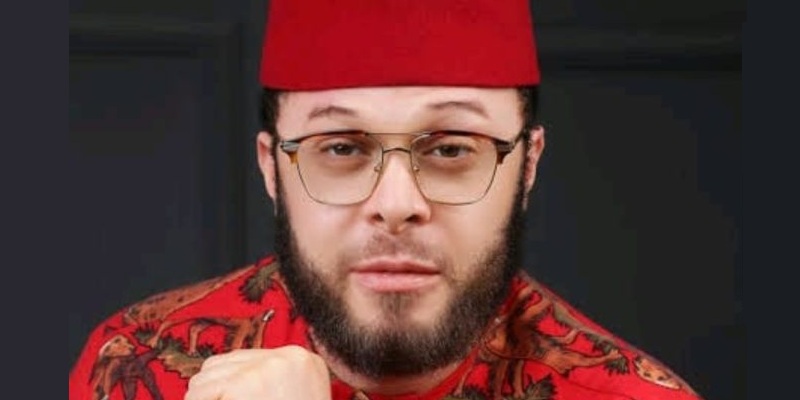
TDA storm erupted in Nigeria’s National Assembly last week as lawmakers, particularly Hon. Alex Mascot Ikwechegh, clashed with the Finance Ministry over the fate of ₦1.15 trillion in capital project funds.

What began as a routine budget defense spiraled into a high‑stakes confrontation, exposing deep cracks in fiscal accountability and culminating in a dramatic political twist.
The Ikwechegh Confrontation: February 25
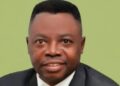
During a tense session of the Aids and Loans Committee, Hon. Alex Mascot Ikwechegh confronted Finance Minister Wale Edun with evidence of missing capital project funds.
- Funds approved: ₦1.15 trillion was specifically allocated to cover 30% of the 2025 capital budget.
- Loans secured:
- $1.2 billion for digital infrastructure
- $500 million for economic stimulus
- $500 million for MSMEs
- $500 million from the AFDB for governance and energy transition
- Additional requests: $21 million, 15 billion Yen, and 4 billion Euros
Despite these inflows and record revenues from agencies like FIRS and Customs, lawmakers noted zero disbursement for capital projects.
Mascot’s words cut sharply:
“With all these funds put together, why is the 2024 budget yet to be fully implemented, and why has the 2025 budget only been funded 34%, most of which is recurrent expenditure?”
Ministers on the Defensive
Minister Wale Edun deflected responsibility, pointing to Minister of State for Finance Doris Uzoka‑Anite as the official overseeing disbursements.
Committee members bristled at the response:
“If the substantive Minister of Finance cannot account for ₦1.15 trillion approved for capital projects, who can?”
Calls for resignation echoed through the chamber, but the hearing was adjourned to February 26, with Uzoka‑Anite summoned to provide answers.
February 26 Hearing: No Clear Answers
At the resumed hearing, Uzoka‑Anite confirmed the ₦1.15 trillion approval but argued that disbursement protocols required multiple sign‑offs.
According to her, “pre‑disbursement conditions” had not been met by some ministries.
Lawmakers countered with testimony from the Health Minister, who revealed he had received only ₦38 million out of his ₦286 billion allocation.
Mascot pressed relentlessly:
“If capital funds were approved, where are they? If they were misappropriated, who is responsible? If this is a crime, who will be held accountable?”
When asked to name a single ministry that met all conditions yet failed to receive funds, Uzoka‑Anite could not provide an example.
February 27: Political Fallout for Ikwechegh
The saga took a dramatic turn when Hon. Ikwechegh was invited to Aso Rock for a closed‑door meeting with President Bola Tinubu.
Within hours, Mascot announced his resignation from the All Progressives Grand Alliance (APGA) and declared his intention to join the ruling APC.
Observers described the move as a classic Tinubu maneuver — absorbing critics into his political orbit to neutralize dissent.
Critics lamented that Ikwechegh, once a fiery advocate for accountability, may now temper his demands.
Key Quote
Speaking to the press after the hearings, Ikwechegh warned:
“When capital projects fundings are at zero, development stops. When development stops, Nigerians suffer.”
Implications
- Governance: The controversy underscores Nigeria’s chronic struggles with budget implementation, transparency, and fiscal discipline.
- Politics: Ikwechegh’s defection highlights Tinubu’s political strategy of co‑opting opponents, raising questions about whether accountability will be sacrificed for loyalty.
- Public trust: Nigerians are left demanding clarity on the fate of trillions in loans and revenues earmarked for development projects that remain stalled.
This saga has become a defining test of Nigeria’s governance credibility. The unanswered question remains: where is the missing ₦1.15 trillion?