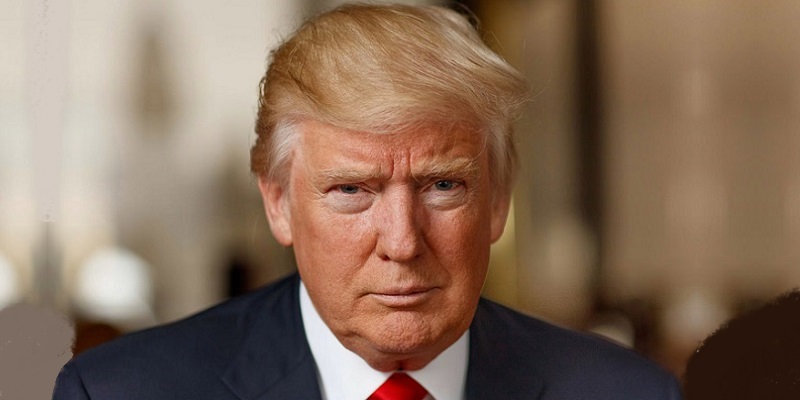
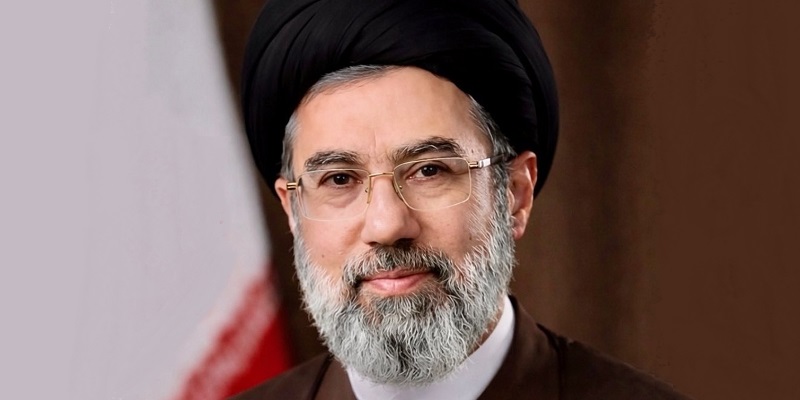
TDPresident Donald Trump told aides he would support killing Iran’s new Supreme Leader, Mojtaba Khamenei, if he refuses to capitulate to the demands of the United States, according to The Wall Street Journal reports.

The statement, observers noted, risks escalating an already volatile regional conflict and drawing international condemnation.
What the Report Says
The Wall Street Journal reports that President Trump told senior aides he would back the killing of Khamenei if he refused to accede to U.S. demands.
The demands include halting nuclear development and other strategic concessions.
The report quotes Trump as saying: “I’m not going through this to end up with another Khamenei”, indicating that the comment was made in private discussions with advisers.
Immediate Implications and Reactions
-
Diplomatic fallout:
Such a statement, if confirmed, would mark a sharp escalation in rhetoric from the White House and could complicate diplomatic channels aimed at de‑escalation.
Analysts warn it risks provoking retaliatory measures from Tehran and heightening the chance of wider military confrontation.
-
Allied concerns:
U.S. partners and NATO members typically urge restraint and adherence to international law.
Public endorsement of targeted killing of a foreign head of state would likely prompt urgent consultations among allies.
-
Regional security:
Military planners and energy markets are likely to reassess risk in the Strait of Hormuz and surrounding waters.
Any escalation could disrupt global oil flows and shipping in the region.
Legal and Ethical Questions
International law experts note that authorizing the targeted killing of a foreign head of state raises complex legal issues under the UN Charter and customary international law.
That includes questions about sovereignty, imminence of threat, and proportionality.
Domestically, the disclosure may intensify debate within the United States over executive war powers and oversight by Congress, particularly if military action follows such rhetoric.
What Comes Next
-
Verification and official response:
U.S. and Iranian officials have not issued matching public confirmations.
The White House and Tehran are expected to respond formally as pressure mounts.
Media outlets are seeking comment from the administration and national security officials.
-
Market and security watch:
Governments and markets will monitor developments closely.
Meanwhile, any sign of imminent military action could trigger immediate responses in oil prices, regional force postures, and travel advisories.
-
Why it matters locally:
A major escalation between the U.S. and Iran could push global energy prices higher and affect supply chains.
That will ensure a knock‑on effects for fuel costs and inflation, as already being experienced in Nigeria and across West Africa.