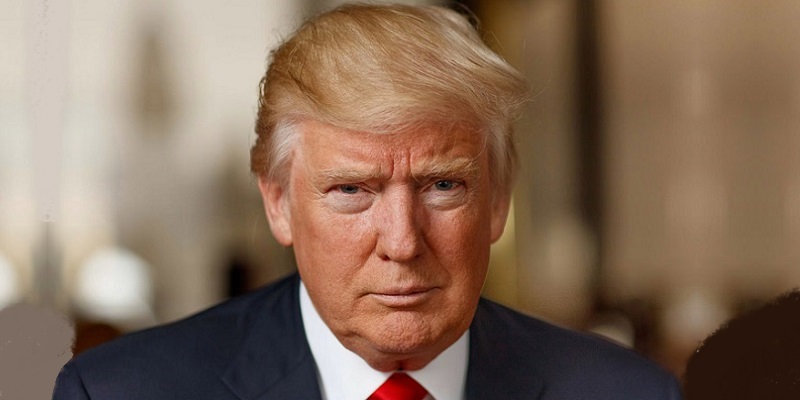
TDPresident Donald Trump has announced the termination of all trade relations with Spain, a sweeping and unprecedented move.

The decision comes in direct response to Madrid’s decision to block the United States from using Spanish territory as a launchpad for military operations against Iran.
Key Points
- Decision: Effective immediately, the U.S. will halt imports, exports, and all bilateral trade agreements with Spain.
- Trigger: Spain’s refusal to allow U.S. forces to stage operations against Iran from its bases was cited as the decisive factor.
- Reaction: Spain has not yet issued a formal statement.
European Union leaders are expected to convene emergency talks to coordinate a collective response.
Implications for Spain
-
Economic fallout:
U.S. industries reliant on Spanish exports — particularly olive oil, wine, textiles, and automotive parts — face immediate disruption.
Spanish companies with significant U.S. markets, including renewable energy firms and aerospace suppliers, may suffer sharp losses.
-
Diplomatic strain:
The rupture risks isolating Washington from European allies, as Spain is a central player in EU policymaking and NATO defense coordination.
Analysts warn that the move could fracture transatlantic unity at a time of heightened tensions in the Middle East.
-
Global markets:
Currency and commodity markets are bracing for volatility.
The euro may weaken against the dollar, while agricultural commodities could see price spikes as U.S. importers scramble for alternatives.
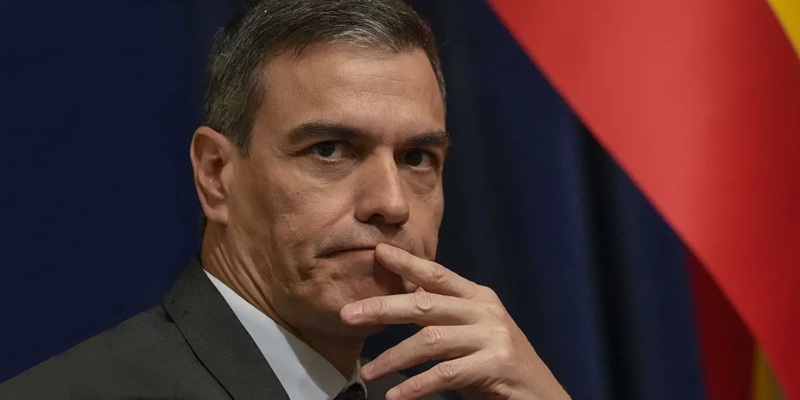
Context for Spain
This marks an unprecedented break in U.S.–European trade relations.
While Washington has previously imposed tariffs or sanctions on individual EU states, a complete severing of ties with a major European economy is without precedent.
Spain’s refusal to support U.S. military operations against Iran highlights growing divisions within NATO and the EU over Middle East policy.
Madrid’s stance reflects both domestic political pressures and broader European reluctance to be drawn into escalating U.S.–Iran hostilities.
The decision also underscores Trump’s willingness to use economic leverage as a tool of foreign policy, even at the risk of destabilizing long‑standing alliances.
What’s Next
- EU response: Brussels is expected to defend Spain and may consider retaliatory measures against U.S. exports.
- Industry impact: American importers must seek alternative suppliers for Spanish goods.
They may potentially turn to Italy, Greece, or Latin America for agricultural products.
- Political fallout: The decision is likely to spark heated debate in Congress, with lawmakers weighing the economic costs against strategic imperatives in the Middle East.
Broader Significance
The rupture between Washington and Madrid could reshape the geopolitical landscape.
For NATO, Spain’s role as host to key U.S. bases is now in question, raising concerns about alliance readiness.
For the EU, the move may galvanize European leaders to pursue greater strategic autonomy, reducing reliance on U.S. military and economic leadership.
While for Iran, the development may embolden Tehran, which could interpret Spain’s refusal as evidence of waning Western unity.
This is a developing story.
Updates will follow as Spain, the EU, and U.S. industries respond to the trade rupture.
Stay tuned…