
TDAt least 31 people were killed and 169 injured in a devastating suicide bombing at a Shiite mosque in Islamabad during Friday prayers, police confirmed to CNN.

Authorities say this is Pakistan’s deadliest attack since the Peshawar mosque blast in January 2023.
Key Facts
- Location: Shiite Muslim mosque, Islamabad, Pakistan
- Date: Friday, February 6, 2026
- Casualties: 31 dead, 169 injured
- Cause: Suicide bomber detonated explosives during crowded Friday prayers
- Suspected Perpetrators: Internal investigations point to Tehrik-i-Taliban Pakistan (TTP), though no group has claimed responsibility yet
Context and Impact
The explosion tore through the mosque at the height of Friday prayers, when hundreds of worshippers were gathered.
Survivors described scenes of chaos, with the blast collapsing parts of the building and leaving scores trapped under debris.
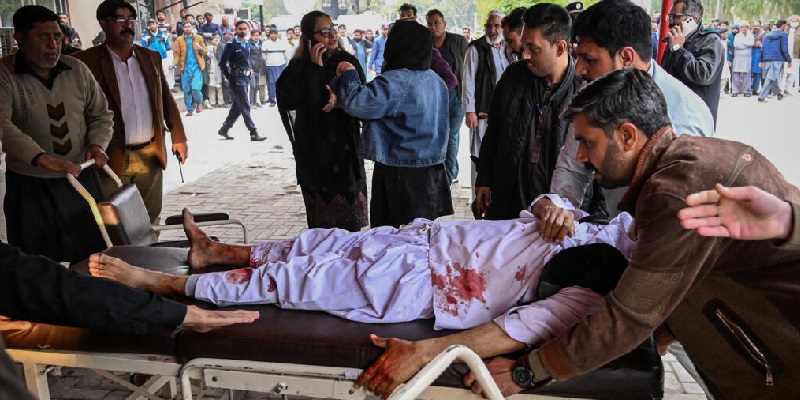
Emergency responders worked through the afternoon to rescue the injured, many of whom remain in critical condition.
This marks the deadliest attack in Pakistan in three years, recalling the Peshawar Mosque bombing of January 2023 that killed more than 90 people.
The targeting of a Shiite Mosque underscores the persistent sectarian fault lines in Pakistan, where minority religious groups have often been victims of extremist violence.
Security forces immediately cordoned off the area, deploying heavily armed military personnel to secure the site and prevent further attacks.
The atmosphere in Islamabad remains tense, with residents shaken by the scale of the assault in the nation’s capital.
Official Response
- Police: Confirmed the explosion was carried out by a suicide bomber, with forensic teams now analyzing the remains of the device.
- Government: Hospitals across Islamabad have declared emergencies, with appeals for blood donations as medical staff struggle to treat the influx of victims.
- Prime Minister’s Office: Issued a statement condemning the attack as “an assault on Pakistan’s unity and peace,” pledging swift justice against those responsible.
- International Concern: The bombing is expected to draw condemnation from global leaders, with human rights organizations warning of escalating extremist violence in South Asia.
Regional Significance
Islamabad, Pakistan’s capital, has historically been considered more secure compared to conflict-prone regions such as Khyber Pakhtunkhwa and Balochistan.
This attack challenges that perception, raising fears that militant networks are expanding their reach into the country’s political and administrative heart.
Analysts warn that the resurgence of TTP-linked violence could destabilize Pakistan’s fragile security environment.
The group, which has carried out numerous attacks in recent years, has been emboldened by regional instability and the withdrawal of U.S. forces from Afghanistan.
The bombing also threatens to inflame sectarian tensions, with Shiite communities demanding stronger protection and accountability from the government.
Human Toll
Witnesses described harrowing scenes inside the mosque: shattered glass, collapsed walls, and worshippers crying out for help amid the smoke and dust.
Families rushed to hospitals in search of loved ones, while authorities struggled to identify victims due to the scale of injuries.
The tragedy has left Islamabad in mourning, with vigils expected across the city in the coming days.
Religious leaders have called for unity, urging citizens not to allow extremists to divide communities along sectarian lines.
The Islamabad mosque bombing is a stark reminder of Pakistan’s ongoing struggle against extremist violence.
It highlights the urgent need for stronger counterterrorism measures, improved intelligence coordination, and protection of vulnerable religious communities.
As investigations continue, the attack will likely intensify debates over Pakistan’s security policies and its ability to safeguard citizens in the face of resurgent militant threats.