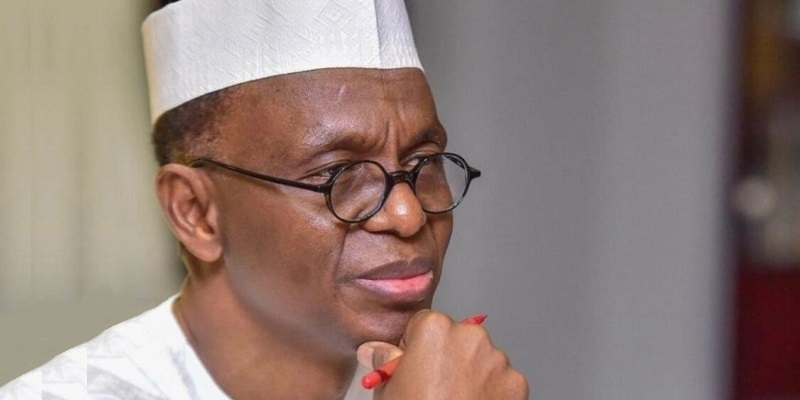
TDThe Independent Corrupt Practices and Other Related Offences Commission (ICPC) has confirmed that former Kaduna State Governor, Nasir El-Rufai, is in its custody as of Wednesday, February 18, 2026.

ICPC made the disclosure in a press release signed by Head of Media and Public Communications, Mr. Okor Odey.
ICPC stated that El-Rufai’s detention is in connection with ongoing investigations.
This announcement comes against the backdrop of a dramatic sequence of events:
- El-Rufai was first detained by the Economic and Financial Crimes Commission (EFCC) over corruption allegations tied to his administration.
- He was granted bail on Wednesday evening.
- He was immediately rearrested by operatives of the Department of State Services (DSS) outside EFCC headquarters in Abuja.
- He was then whisked away to the DSS headquarters in Asokoro District.
Background of ICPC Arrest
- EFCC Detention: Linked to alleged financial mismanagement during his tenure as governor.
- DSS Rearrest: Sources suggest possible cybercrime investigations, though no official charges have been disclosed.
- ICPC Custody: The Commission has now formally confirmed holding El-Rufai for investigations.
The Federal Government, it could be recalled, had filed a three‑count charge against the former Kaduna State Governor.
The charges bordered over allegations of unlawful eavesdropping on telephone conversations.
In the suit, the Government alleged that El-Rufai unlawfully intercepted the phone communications of the National Security Adviser (NSA), Nuhu Ribadu.
The Eavesdropping Charges Against El-Rufai
The eavesdropping case, lodged before the Federal High Court in Abuja through the Department of State Services (DSS), accuses El‑Rufai of:
-
Unlawful interception: Using technical equipment to tap into Ribadu’s calls.
-
Failure to report: Being aware of the interception but not notifying security authorities.
-
Endangering public safety: Instilling “reasonable apprehension” among Nigerians and compromising national security.
More Developments Ahead of ICPC Arrest
Barely minutes after securing bail from the EFCC, El-Rufai, was dramatically rearrested Wednesday night, February 18, by DSS operatives.
El-Rufai had been in EFCC custody since Monday over corruption-related allegations tied to his administration in Kaduna State.
Witnesses at the EFCC headquarters in Abuja reported that heavily armed DSS operatives had positioned themselves outside the premises.
They swiftly intercepted him as he stepped out, whisking him away in a convoy to the DSS headquarters in Asokoro District.
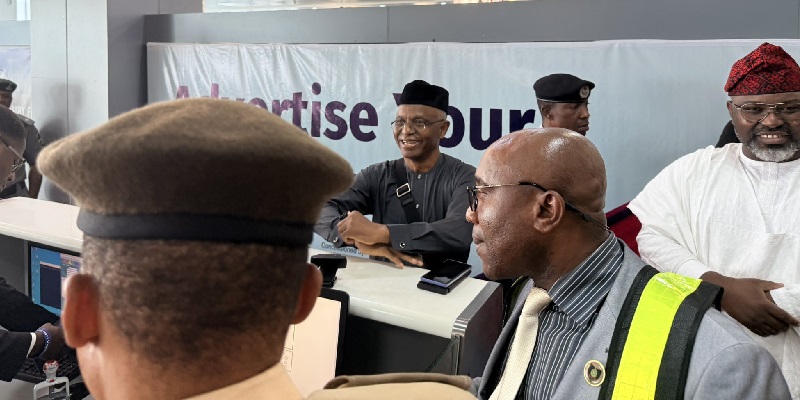
He would later surface at ICPC headquarters.
Implications of El-Rufai Arrest
- Inter-agency Coordination: The overlapping actions of EFCC, DSS, and ICPC raise questions about transparency and coordination among Nigeria’s anti-graft and security agencies.
- Rule of Law Concerns: Legal analysts warn that the lack of clarity risks undermining public confidence in the justice system.
- Political Undertones: Given El-Rufai’s national prominence, observers speculate that the case could have wider political ramifications.
The unfolding situation has sparked intense debate nationwide.
Nigerians are watching closely for clarity on the charges and how the courts will respond to this unprecedented multi-agency involvement.