THIS DAWN — A fresh wave of condemnation is trailing President Bola Ahmed Tinubu’s controversial appointment of Xpress Payments Solutions Limited as a new channel for Treasury Single Account (TSA) revenue collection.

Former Vice President Atiku Abubakar and Human Rights Lawyer Barrister Jezie Ekejiuba, called the decision unconstitutional, suspicious, and a calculated attempt to privatise federal revenue streams.
Xpress Payment Solutions Limited was incorporated in 2016, with Wale Olayisade as the acting Managing Director.
Olayisade was appointed MD in June 2025.
He succeeded the immediate past MD, Dr. Markie Idowu, who retired in 2025, but remains on the board as a shareholder and non-executive director.
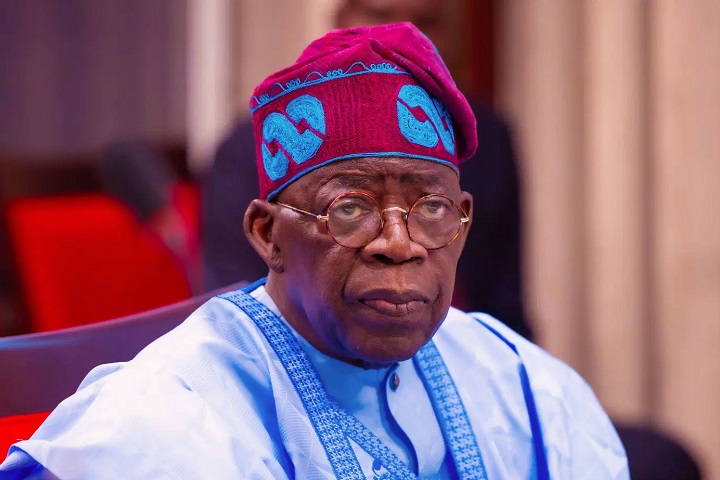
Atiku Abubakar objects
In a strongly worded statement, critics warned that the move amounts to the revival of the “Alpha Beta-style revenue cartel”.
Alpha Beta operated in Lagos during and after President Bola Ahmed Tinubu’s tenure.
According to Atiku, the quiet selection of Xpress Payments resembles a deliberate attempt to place national revenue collection under the grip of politically connected private interests.
He argued that instead of strengthening the TSA—which was designed to eliminate middlemen and leakages—the Tinubu administration’s action creates a private toll gate around government income.
This may funnel public revenue through a corporate proxy whose processes, ownership, and operational justification remain opaque.
The critics also described the timing of the policy shift as insensitive.
They noted that while Nigerians are mourning lives lost to worsening insecurity, the government is busy restructuring revenue pipelines in secrecy.
“This is governance by stealth,” they said, warning that the nature of the appointment raises more questions than answers.
Key concerns raised include:
- Why was the appointment done without National Assembly scrutiny?
- What value does Xpress Payments bring that the existing TSA platform does not?
- And who stands to benefit—Nigeria or a political network embedded in power?
“This is not reform; it is state capture masquerading as digital innovation,” Atiku Abubakar stated.

Ekejiuba kicks
Barrister Ekejiuba, who is the President of Nigerian Voters Organisation (a.k.a Voters Rights Organisation of Nigeria) also issued a blistering critique.
In a terse statement made available to this medium, Ekejiuba insisted that the Nigerian Bar Association (NBA) must not remain silent while the rule of law is being undermined.
He recalled the TSA system, established under the Buhari administration and managed by the Federal Inland Revenue Service (FIRS).
According to him, the TSA is functioning effectively without the need for private intermediaries.
Ekejiuba described the new arrangement as illegal, corrupt, and a direct violation of the FIRS Act.
He accused the government of attempting to siphon national revenue through a private company “owned by cronies of the administration”
He warned that Nigeria is being pushed dangerously close to economic collapse.
Stakeholders are jointly demanding the immediate suspension of the appointment, full disclosure of contract terms, and a public inquiry into the decision.
They also called for a legal framework that prevents private entities from inserting themselves into core government revenue operations.
“Nigeria’s revenues are not political spoils,” Ekejiuba emphasized.
“This country cannot survive insecurity and economic sabotage at the same time,” he added.
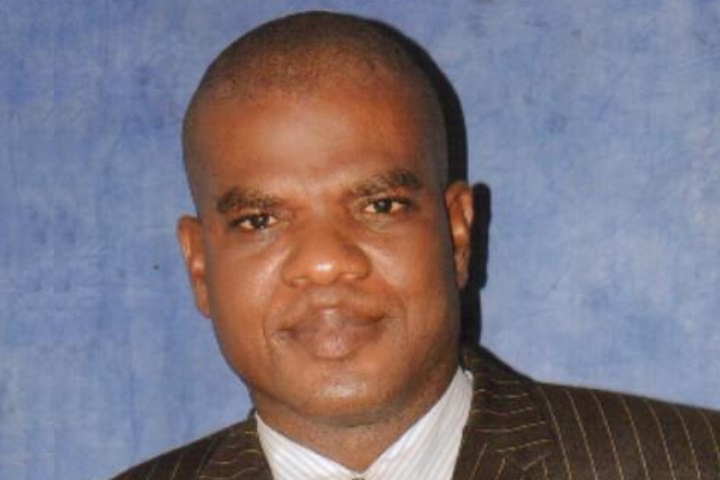
Xpress Payments Solutions Limited versus Alpha Beta
Alpha Beta Consulting is a private company that for years handled tax and public revenue collection in Lagos State.
The private firm was inserted between government and taxpayers, earning a significant percentage of the revenue it helps to collect.
The company earns a commission or percentage on the funds it collects.
Critics argued that the arrangement lacked transparency, competitive bidding, or public oversight.
The firm becomes a gatekeeper between citizens/businesses and the government’s treasury.
In practice, this creates a private toll booth on public revenue.
Why it Became Controversial
Alpha Beta Consulting gained national controversy because of allegations that:
- It creates monopolies — a single private company controls an entire state’s revenue system.
- It concentrates enormous financial power in the hands of politically connected firms.
- It lacks transparency — contracts are usually secret.
- It enables political patronage — critics say it funds political structures.
- It undermines public institutions, such as tax authorities (e.g., LIRS, FIRS).
- It can lead to inflated commissions, meaning less revenue goes to government coffers.
A former Alpha Beta partner, Dapo Apara, publicly alleged misuse of funds, inflated contracts, and corrupt practices.
The allegations supercharged the national debate, as even the courts have not conclusively resolved these claims.
Why Nigerians Use the Term Politically
Over time, “Alpha Beta-style revenue” has become shorthand for:
- Revenue outsourcing + political capture: Using public finance systems to empower a politically connected private firm.
- Lack of accountability: Opaque contracts that bypass legislative scrutiny.
- State capture through financial control: Once a political network controls the revenue pipeline, it effectively controls government.
- Replication elsewhere: Any time government inserts a private proxy into federal or state revenue collection, critics warn that Nigeria is returning to Alpha Beta–type governance.
Why It Is Being Mentioned Again Recently
The term resurfaced because of the controversies generated by appointed Xpress Payments Solutions Limited as a new channel for Treasury Single Account.
Observers expressed concern that appointing certain private companies into TSA revenue flow could recreate the same Lagos-style outsourced revenue structure, but this time at the federal level.
Critics argue this risks turning Nigeria’s national revenue into a private patronage system.