TDA coalition of regional governments and Arab‑Islamic foreign ministers have issued a sharp rebuke of Iran’s recent drone and missile strikes.

The coalition described them as militia‑style aggression that undermines sovereignty and violates international law.
The Riyadh consultative meeting of March 18–19, 2026, brought together twelve states.’
These collectively warned Tehran that continued attacks on civilian facilities would trigger coordinated responses.
Key Developments
- Riyadh Consultative Ministerial Meeting (18 March 2026):
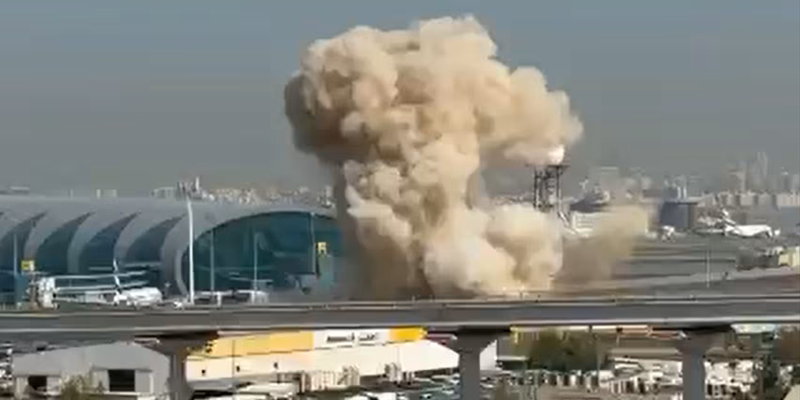
Foreign ministers from Qatar, Saudi Arabia, UAE, Bahrain, Egypt, Jordan, Kuwait, Lebanon, Pakistan, Türkiye, Syria, and Azerbaijan condemned Iranian strikes on residential areas, oil facilities, desalination plants, airports, and diplomatic premises.
They demanded Iran immediately halt attacks and abide by international humanitarian law.
- Qatar’s Diplomatic Escalation:
Doha declared the Iranian military and security attachés persona non grata, ordering them to leave within 24 hours.
The move was framed as a direct response to repeated violations of Qatari sovereignty.
- Collective Warning:
The ministers stressed that Iran’s actions could not be justified under any pretext, reaffirming the right of states to self‑defence under Article 51 of the UN Charter.
Analysis: State Conduct vs. Militia‑Style Behaviour
| Criterion | Expected State Conduct | Observed Iranian Actions (per ministers) |
|---|---|---|
| Target selection | Military objectives, avoiding civilian harm | Civilian infrastructure and residential areas struck |
| Accountability | Transparent chains of command, diplomatic channels | Repeated cross‑border strikes without restraint |
| Legal compliance | Respect for UN Charter & humanitarian law | Violations of UNSC resolutions and IHL cited |
| Proxy involvement | Limited, transparent support | Accused of arming militias and exporting instability |
This framing underscores the ministers’ view that Iran is behaving less like a sovereign state and more like a militia network.
This, they say, undermine its claim to represent Islamic solidarity.
Expert and Regional Perspectives
Analysts note that Iran’s choice of targets — fellow Islamic states uninvolved in the Israel conflict — undermines its narrative of defending Muslim interests.
The Riyadh statement described the strikes as “deliberate aggression”, stressing that they erode trust and destabilize the Gulf.
Commentators warn that Iran’s actions risk isolating it further diplomatically, as even states that previously sought balance with Tehran are now aligning against it.
Risks and Likely Near‑Term Outcomes
- Escalation: Gulf states may coordinate defensive measures, impose sanctions, or expel additional Iranian diplomats.
- Economic Impact: Strikes on oil and desalination facilities threaten energy markets and shipping security, particularly in the Strait of Hormuz and Bab al‑Mandab.
- Humanitarian Toll: Civilian casualties and infrastructure damage increase displacement, strain relief agencies, and heighten regional instability.
- Diplomatic Pressure: Expect intensified Gulf coordination at the UN, with calls for enforcement of Security Council Resolution 287 (2026).
- Defensive Measures: Expansion of air defence systems, legal documentation of violations, and collective security initiatives.
- Mediation Options: Neutral actors such as Oman, Switzerland, or UN envoys may attempt to broker de‑escalation, though success hinges on Tehran’s willingness to halt strikes.
Bottom Line
Iran’s recent operations are being portrayed by regional ministers as incompatible with responsible state behaviour.
They said that it resembles militia tactics due to their indiscriminate targeting of civilian facilities and cross‑border aggression.
The Riyadh statement signals a coordinated diplomatic pushback and a readiness to escalate measures if Tehran continues its campaign.
Such turning point could reshape Gulf security dynamics in the months ahead.