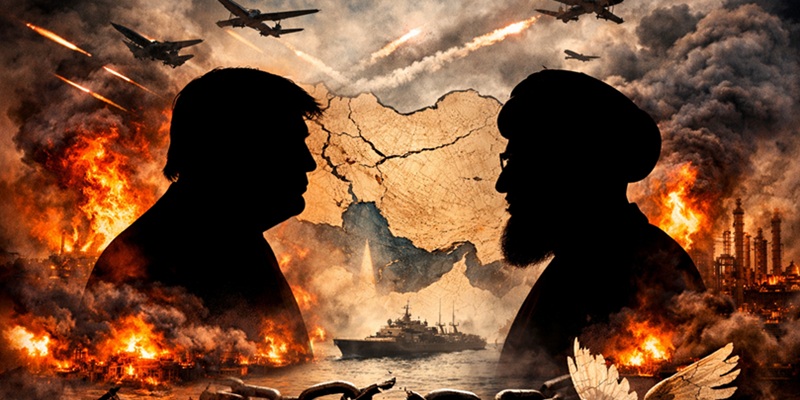
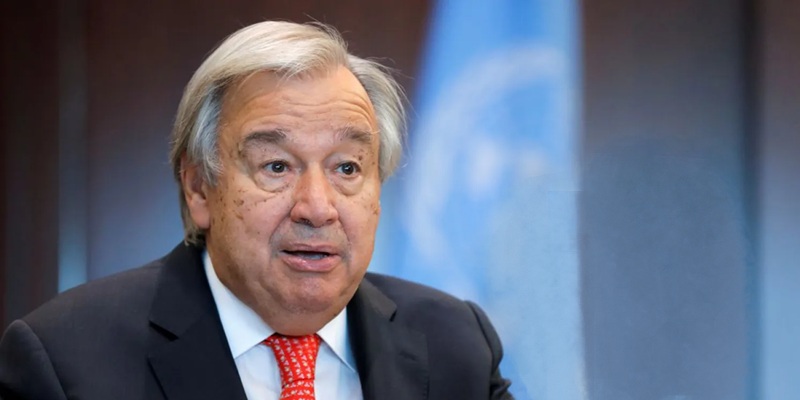
TDThe United Nations Secretary-General António Guterres has declared the U.S./Israel-Iran war “out of control”.

Guterres made the remarks on his social media handle on Wednesday, while suing for end to the conflict.
He stated: “The war in the Middle East is out of control.
“It is time to stop climbing the escalation ladder – and return to diplomacy and full respect of international law.
“I have just appointed Jean Arnault as my Personal Envoy to lead the United nations efforts on the conflict and its consequences.”
Guterres: “Conflict… has gone too far”
Earlier on his X (formerly Twitter) handle, Guterres issued one of his strongest appeals yet for peace in the Middle East.
Guterres warned that the war has reached a breaking point with devastating consequences for civilians and the global economy.
In a post shared on social media, Guterres declared:
“The conflict in the Middle East has gone too far.
“My message to the US & Israel is that it’s high time to end the war – as human suffering deepens, civilian casualties mount & the global economic impact is increasingly devastating.”
He also addressed Iran directly, urging restraint:
“My message to Iran is to stop attacking their neighbors that are not parties to the conflict.”
Guterres Warns of Deepening Humanitarian Crisis
According to Guterres, humanitarian crisis is deepening in the region as a fallout of the war:
- Civilian casualties: Aid groups report thousands of deaths and injuries, with hospitals overwhelmed and basic supplies running out.
- Displacement: Millions have been forced to flee their homes, creating one of the largest refugee crises in recent years.
- Children at risk: UNICEF warns that children are bearing the brunt of the violence, facing hunger, trauma, and lack of education.
Economic Shockwaves
The conflict is already sending tremors through global markets.
Oil prices have surged, raising fears of prolonged instability in energy supplies.
Trade disruptions are affecting shipping routes in the region, with ripple effects on global supply chains.
Investor uncertainty is weighing on financial markets worldwide.
Diplomatic Pressure Mounts
Guterres’ remarks add to a chorus of international voices calling for restraint and renewed negotiations.
- European Union leaders have urged both sides to return to dialogue.
- Regional powers are pressing for ceasefires to prevent further escalation.
- Global observers say the UN chief’s direct appeals to Washington, Tel Aviv, and Tehran reflect growing frustration over the lack of progress toward peace.
What Comes Next?
While the UN has repeatedly called for ceasefires in past conflicts, this latest intervention underscores the urgency of the current crisis.
Analysts warn that without immediate de-escalation, the humanitarian and economic costs could spiral even further.
World leaders and analysts have echoed António Guterres’ urgent call to end the Middle East conflict.
The U.S. is pushing a peace plan, Iran is rejecting negotiations, while European leaders warn of global economic fallout.
Analysts caution that the war risks spiraling into a wider regional crisis.
Reactions from World Leaders
-
United States:
Washington has reportedly sent Iran a 15-point peace plan through Pakistan, urging Tehran to halt hostilities.
However, Iran rejected the proposal, with officials dismissing the idea of talks as unrealistic.
-
Iran:
Iranian state media confirmed the rejection, with military officials insisting that U.S. and Israeli actions left little room for negotiation.
Tehran has instead issued its own demands, further complicating diplomatic efforts .
-
European Union:
EU leaders have expressed alarm at the humanitarian toll and economic disruption, calling for an immediate ceasefire and renewed dialogue.
They emphasized that the conflict threatens energy stability and global trade.
-
Israel:
Israeli officials maintain that military operations are necessary to counter Iranian aggression.
However, international observers warn that this stance risks prolonging the war.
-
Donald Trump (U.S. President):
- Trump has claimed progress in negotiations, but his administration’s peace plan has yet to gain traction, particularly given Iran’s rejection.
Analysts’ Perspectives
- Humanitarian Impact:
Analysts highlight that the war has already displaced millions, with aid agencies warning of worsening conditions. - Economic Concerns:
Experts note that oil prices have surged, shipping routes are disrupted, and investor confidence is shaken, creating ripple effects across global markets. - Risk of Escalation:
Security analysts warn that the conflict could expand into a regional war, drawing in neighboring states and destabilizing the Middle East further . - Diplomatic Challenges:
Observers argue that while Guterres’ appeal underscores urgency, entrenched positions by the U.S., Israel, and Iran make a breakthrough unlikely without significant concessions.
Key Takeaways
- Guterres’ message has amplified global calls for restraint and diplomacy.
- U.S. peace efforts face resistance from Iran, deepening the stalemate.
- European leaders stress the global economic risks tied to prolonged conflict.
- Analysts warn of a dangerous escalation if diplomacy fails.