THIS DAWN — Amnesty International has raised alarm over what it describes as an intensifying campaign by Russian authorities to criminalize dissent and dismantle independent civil society.

The move followed the detention of prominent human rights defenders in Yekaterinburg and a sweeping Supreme Court ruling branding the Anti-Corruption Foundation founded by allies of the late opposition leader Aleksei Navalny as a “terrorist organization.”
Amnesty International’s Director for Eastern Europe and Central Asia, Marie Struthers, condemned the move in a statement, while reacting to the detention of three Yekaterinburg-based activists.
Struthers accused Russian authorities of deliberately targeting peaceful human rights work through the abuse of repressive legislation.
The detained activists — Aleksei Sokolov, Larisa Zakharova, and lawyer Roman Kachanov — were charged under Article 284.1(3) of the Russian Criminal Code.
The code criminalizes “organizing activities of an undesirable organization,” an offense that carries a potential prison sentence of up to six years.
“The Russian authorities are blatantly attempting to criminalize human rights work,” Struthers said.
“By conducting intrusive searches and arbitrary arrests, and by criminalizing peaceful cooperation with international partners, the authorities are determined to force human rights defenders into submission,” she added.
Arrests, Searches, and more
The arrests followed coordinated searches carried out on 16 December at the homes and workplaces of the three individuals, all of whom are associated with the group Human Rights Defenders of the Urals.
Authorities claim the charges stem from alleged cooperation with the Norwegian Helsinki Committee and the U.S.-based National Endowment for Democracy.
Both of them have been designated “undesirable organizations” under Russian law.
Amnesty International rejected the accusations, stressing that the charges are based solely on legitimate human rights activities.
The organization called for the immediate release of Sokolov, Zakharova, and Kachanov, and for all charges against them to be dropped.
Sokolov is already facing additional legal pressure.
He was previously prosecuted for the alleged display of “extremist symbols” based on references to Facebook in online posts by his organization.
Meanwhile, Russia had earlier designated Meta as an “extremist organization.”
He spent six months in pre-trial detention between July 2024 and January 2025 before being released under restrictive conditions.
Amnesty said the case illustrates how authorities are using vaguely defined “extremism” laws to stifle online expression and advocacy.
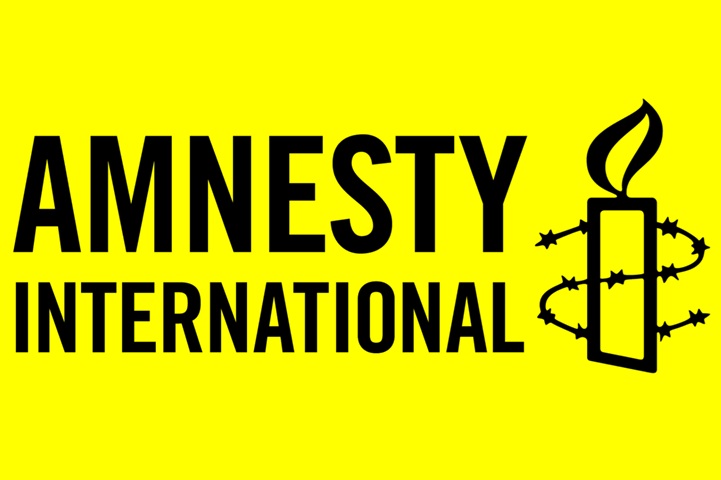
The condemnation of the Yekaterinburg arrests comes amid growing concern over a separate, far-reaching decision by Russia’s Supreme Court.
On 27 November 2025, the court granted a request by the Prosecutor General’s Office to designate the Anti-Corruption Foundation (ACF/FBK) — the U.S.-registered successor to Navalny’s Russia-based organization — as a “terrorist organization“.
The ruling was delivered following a closed-door hearing.
Reacting to the decision, Struthers described it as the culmination of a long-running campaign against Navalny and his supporters.
“The Kremlin’s long campaign against the late opposition leader Aleksei Navalny and his supporters has reached a stunning peak,” she said.
She further warned that the ruling exposes tens of thousands of Russians associated with Navalny’s movement over the past 15 years to the risk of arrest and imprisonment.
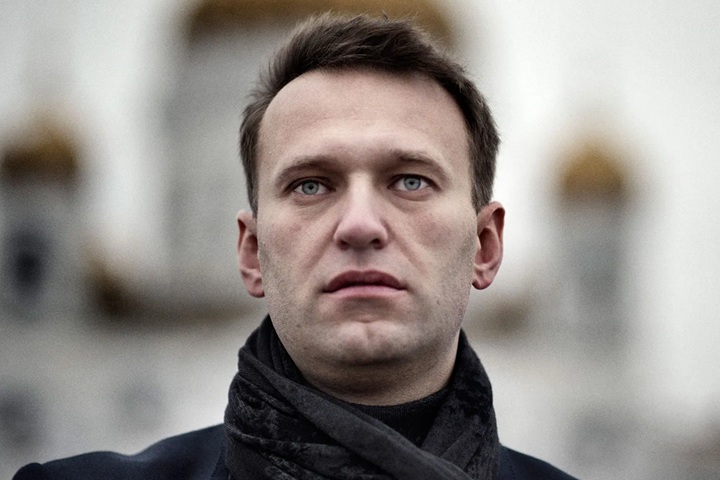
According to Amnesty International, even symbolic acts of remembrance could now carry severe consequences.
“Posting a photograph of Navalny has already proven enough to trigger severe personal consequences; now it will guarantee arrest and imprisonment,” Struthers said.
FBK, founded by Navalny in 2011, gained prominence through high-profile investigations into alleged corruption within the Russian political elite and by mobilizing mass public support for anti-graft campaigns.
The organization was banned in 2021 after being labeled “extremist,” and since then its alleged members, supporters, and donors have faced prosecution.
Amnesty also expressed concern over the broader implications of the Supreme Court ruling.
It noted that it was presided over by the same judge who had previously outlawed what authorities termed the “international LGBT movement” and an “international satanism movement”.
Both of them have been widely criticized as fictitious constructs used to justify repression.
“The Russian authorities must stop weaponizing ‘anti-terrorism’ legislation to silence critics,” Struthers said.
She urged Moscow to reverse the ban on FBK.
She also demanded an end to the persecution of individuals allegedly linked to it.
She further requested an independent international investigation into Navalny’s reported torture, ill-treatment, and death in custody.
Together, Amnesty International said, the cases underscore a systematic effort by the Russian state to eradicate independent scrutiny, criminalize peaceful activism, and intimidate anyone challenging official narratives.
The organization warned that the trend could have devastating consequences for human rights and the rule of law in Russia.